
Key Highlights
- Effective lighting solutions are crucial for boosting employee productivity and well-being in any office space.
- Layering ambient, task, and accent lighting creates a versatile and dynamic lighting design.
- Modern LED lighting and smart controls significantly improve energy efficiency and reduce operational costs.
- Tunable white lighting can support employees’ natural circadian rhythms, enhancing focus and mood.
- Choosing the right fixtures depends on the office layout, whether it’s an open-plan area or a private office.
- A well-planned lighting strategy balances initial investment with long-term energy savings and performance.
Introduction
Choosing the right commercial office lighting is more than just brightening a room; it’s a strategic decision that impacts employee performance, satisfaction, and your bottom line. An effective lighting plan balances artificial and natural light to create a comfortable and productive environment. The proper lighting solutions can transform a simple office into a dynamic workspace that energizes staff and reduces operational costs. This guide will walk you through the essential factors to consider when selecting the perfect lighting for your office.
Understanding Commercial Office Lighting Needs
Before selecting new lighting, it’s vital to understand your specific office lighting needs. Poor lighting can lead to eye strain, fatigue, and decreased employee productivity, while well-designed solutions can boost focus and morale. Key factors to consider include the types of tasks performed, the layout of the space, and opportunities to maximize natural daylight.
A thorough assessment helps you identify where changes are most needed. By evaluating your current energy consumption and areas where employees struggle with visibility, you can pinpoint the most impactful lighting solutions for your workplace. This initial step ensures your investment addresses real challenges. We will now look at how to assess your spaces and current lighting setup.
Assessing the Purpose and Usage of Office Spaces
Start by mapping out the different zones within your office space. Collaborative areas, quiet work zones, and circulation paths all have unique lighting requirements. For instance, work areas where employees perform specific tasks like reading or detailed computer work require focused, brighter light to prevent eye fatigue.
Your lighting design should support the activities in each area. Conference rooms might need dimmable lights for presentations, while break rooms can benefit from warmer, more relaxed illumination. Identifying the primary function of each space allows you to tailor the lighting and create a more functional and cohesive environment.
Ultimately, a purpose-driven approach ensures that your lighting serves your team effectively. By matching the light to the task, you can create a more comfortable and productive atmosphere. This detailed assessment is the foundation of a successful lighting plan that enhances every corner of your office.
Evaluating Current Lighting Challenges and Opportunities
Identifying existing lighting challenges is a critical step toward improvement. Poor lighting often manifests as glare on computer screens, uneven light distribution, or spaces that feel too dim or harsh. These issues can negatively impact visual comfort and employee focus. Take a walk through your office to note areas where light quality is lacking.
Look for opportunities to enhance your current setup. For example, are there areas where you can better utilize natural light? Could smart controls help reduce energy waste in unoccupied rooms? Recognizing these opportunities allows you to create a lighting strategy that is both effective and efficient. Common challenges to look for include:
- Excessive glare on screens
- Dark corners or shadowed work areas
- Inconsistent light levels across the office
- High energy consumption from outdated fixtures
Addressing these problems directly will lead to significant improvements in productivity and employee satisfaction. A simple audit can reveal quick wins and long-term goals for your lighting upgrade.
Types of Commercial Office Lighting Solutions
A well-designed office uses a mix of different office lighting solutions to create a layered and functional environment. The three main types of lighting are ambient, task, and accent lighting. Each serves a distinct purpose, and combining them allows you to create a dynamic and adaptable workspace that meets various needs throughout the day.
Understanding how these lighting products work together is key to a successful design. Ambient light provides overall illumination, task lighting focuses on specific work areas, and accent lighting highlights architectural features or decor. The right balance ensures visual comfort and enhances the office’s aesthetic appeal. Let’s explore these types in more detail.
Ambient, Task, and Accent Lighting Explained
Layered lighting is a fundamental principle in modern office design, combining three core types to create a balanced and effective environment. Ambient lighting acts as the primary source of illumination, providing a uniform base level of light throughout the entire space. This general lighting is often achieved with office lighting fixtures like recessed LED panels or suspended luminaires.
Task lighting is more focused, designed to illuminate specific work areas where detailed activities occur. Good task lighting reduces eye strain and helps employees concentrate. Examples include desk lamps, under-cabinet lights, and adjustable swing-arm lamps that direct light exactly where it’s needed.
Finally, accent lighting is used to draw attention to particular objects or architectural features, such as artwork, company logos, or textured walls. This type of lighting adds depth and visual interest to the office. The three layers include:
- Ambient Lighting: Provides general, overall illumination.
- Task Lighting: Focuses light on specific work surfaces.
- Accent Lighting: Highlights design elements and adds character.
Comparing LED, Fluorescent, and Smart Lighting Options
When upgrading your office, you’ll encounter several types of lighting technology. Traditional fluorescent fixtures were once standard, but modern LED lighting has become the preferred choice due to its superior energy efficiency, longer lifespan, and better light quality. LEDs offer significant long-term savings and more design flexibility.
Smart lighting systems take efficiency and control to the next level. These systems integrate with lighting controls like occupancy sensors and daylight harvesting, automatically adjusting light levels based on room occupancy and the availability of natural light. This automation not only maximizes energy savings but also enhances user comfort.
Comparing these options helps you make an informed decision based on performance, cost, and sustainability goals. LED and smart lighting solutions offer a clear advantage in creating a modern, efficient, and responsive work environment.
| Feature | LED Lighting | Fluorescent Fixtures | Smart Lighting Systems |
|---|---|---|---|
| Energy Efficiency | High | Moderate | Very High (with controls) |
| Lifespan | Very Long (up to 50,000+ hours) | Moderate (10,000-20,000 hours) | Very Long (uses LED) |
| Control Options | Dimmable, Tunable | Limited Dimming | Fully Automated, Remote Access |
| Upfront Cost | Moderate | Low | High |
| Maintenance | Low | Moderate | Low |
Key Factors to Consider When Choosing Office Lighting
Selecting the right office lighting involves more than just picking a fixture. Your lighting design should carefully consider factors like light levels, color temperature, and energy efficiency to create an optimal work environment. These elements directly influence employee satisfaction and productivity, making them crucial components of your decision-making process.
A holistic approach ensures that the lighting not only looks good but also performs well. By balancing aesthetic appeal with practical considerations, you can create a space that supports well-being and operational goals. The following sections will cover the importance of lumen levels, color temperature, and sustainability in more detail.
Importance of Lumen Levels and Color Temperature
Understanding lumen levels and color temperature is essential for an effective lighting design. Lumens measure the total light output of a fixture, indicating its brightness. The appropriate lumen levels vary depending on the space; general work areas typically require 300-500 lux (lumens per square meter), while task-intensive zones may need 500-700 lux to ensure clarity and prevent eye strain.
Color temperature, measured in Kelvin (K), describes the appearance of light, from warm to cool. Warmer tones (2700-3000K) create a relaxed, inviting atmosphere suitable for break areas. In contrast, cool white light (4000-5000K) mimics daylight, promoting alertness and focus, making it ideal for primary workspaces.
By strategically using different color temperatures throughout the office, you can influence mood and productivity. A well-considered lighting plan will specify the right combination of light output and color to support the activities in each area, enhancing both comfort and performance.
The Role of Energy Efficiency and Sustainability
Energy efficiency is a top priority in modern commercial lighting. Upgrading to energy-efficient solutions like LEDs can dramatically reduce energy consumption and lower utility bills. Sustainability goes beyond just saving money; it reflects a company’s commitment to environmental responsibility, which can enhance your brand’s reputation.
Investing in efficient lighting technologies provides significant long-term energy savings. For example, LED lights use up to 75% less energy and last 25 times longer than incandescent lighting. When paired with smart controls, the savings become even more substantial, as lights are only used when and where they are needed.
Consider these key benefits of focusing on energy efficiency and sustainability:
- Reduced electricity costs and operational expenses.
- Lower maintenance needs due to longer fixture lifespans.
- A smaller carbon footprint for your business.
- Improved eligibility for green building certifications and rebates.
- Enhanced corporate image and employee pride.
Selecting Lighting Fixtures for Modern Office Environments
The right lighting fixtures are essential for bringing your lighting design to life in modern office environments. The style of fixture you choose should complement the office aesthetic while providing the necessary illumination. From sleek linear suspensions to decorative pendant lights, the options available today can support both function and form in a modern workplace.
Whether you’re lighting an open-plan office, a private executive suite, or a collaborative conference room, the fixture choice matters. Each space has unique requirements that dictate which styles will be most effective. We will now explore popular fixture choices for different types of office spaces.
Popular Fixture Styles for Open-Plan Offices
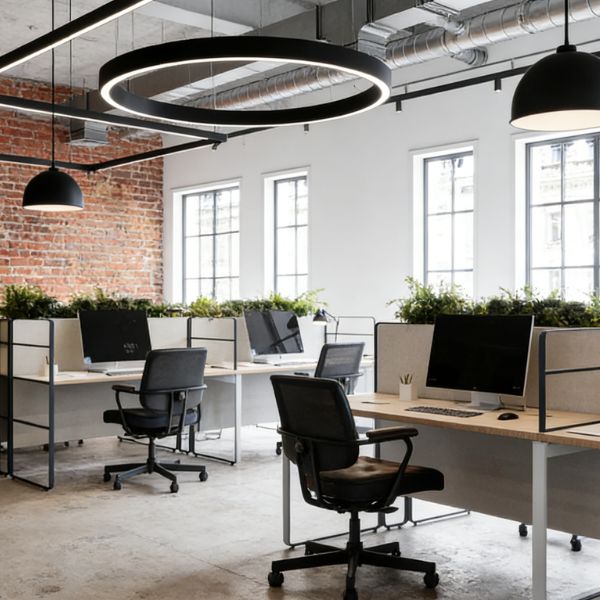
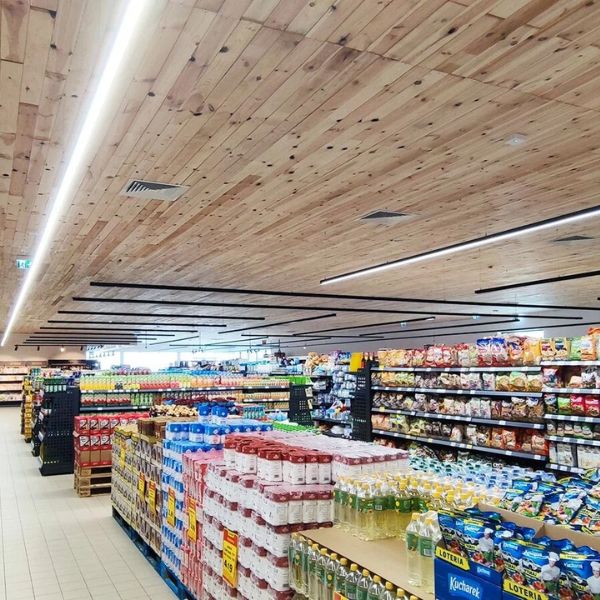
Open-plan offices require thoughtful lighting solutions to ensure uniform illumination and minimize glare across large areas. Suspended linear fixtures are a popular choice for providing consistent general lighting over banks of desks. These fixtures create a clean, modern look while effectively lighting the work environment.
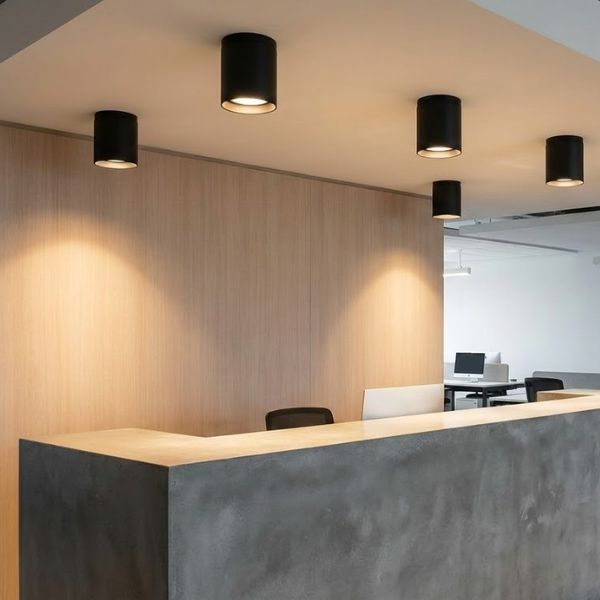
Another great option is using decorative pendant lights in clusters over collaborative zones or breakout areas. This helps define different spaces within the open layout and adds a touch of visual interest. For a more minimalist approach, recessed downlights can provide focused light without cluttering the ceiling plane.
When selecting fixtures for an open-plan office, consider the following styles:
- Suspended linear LED systems for even, continuous light.
- Recessed LED panels for a clean, integrated look.
- Clustered pendant lights to define collaborative zones.
- Adjustable track lighting to highlight specific features.
- Acoustic lighting fixtures that combine illumination with sound absorption.
Choosing Fixtures for Private Offices and Conference Rooms
Lighting for private offices and conference rooms should be both functional and adaptable. In private offices, a layered approach works best. Combine general ambient light from recessed or suspended office lighting fixtures with focused task lighting, such as a stylish desk lamp, to give individuals control over their personal workspace.
Conference rooms require versatile lighting that can be adjusted for different activities, from presentations to brainstorming sessions. Dimmable overhead fixtures, like linear suspensions or large pendants, are ideal for setting the right mood. Wall washers can be used to illuminate whiteboards, while accent lights can highlight branding or architectural details.
The key is flexibility. Choosing office lighting fixtures with dimming capabilities allows users to tailor the environment to their specific needs. This adaptability ensures that these important spaces are always perfectly lit for the task at hand, enhancing both comfort and productivity.

Advanced Lighting Technologies for Productivity and Well-Being
Modern lighting technology goes beyond simple illumination, offering advanced features that actively support employee productivity and well-being. Smart lighting systems can mimic the natural progression of daylight, helping to regulate the human circadian rhythm. This creates a healthier and more energizing work environment.
By integrating technologies that enhance visual comfort and align with our biological needs, you can create an office that truly cares for its occupants. These innovations are transforming how we think about workplace lighting. Let’s explore some of these cutting-edge solutions, including tunable white lighting and smart automation.
Integrating Tunable White and Circadian Lighting
Tunable white lighting is a revolutionary technology that allows you to adjust the color temperature of your lights throughout the day. This system can be programmed to follow the natural path of the sun, supporting the body’s circadian rhythm. By doing so, it helps regulate sleep-wake cycles, improve mood, and boost alertness for office workers.
In the morning, the lighting can be set to a cool, energizing white to help employees start their day with focus. As the day progresses, the light can gradually shift to a warmer, more relaxing tone to ease the transition toward the end of the workday. This dynamic approach mimics the effects of natural light, even in windowless spaces.
Implementing a circadian lighting strategy can have a profound impact on employee well-being. Studies have shown that it can lead to better sleep, reduced fatigue, and increased productivity. It’s a human-centric approach to lighting that prioritizes the health of your team.
Benefits of Smart Lighting Controls and Automation
Smart lighting controls and automation offer a wealth of benefits beyond simple on/off functionality. These systems use sensors and schedules to manage lighting intelligently, ensuring lights are only on when needed. This automation significantly reduces energy usage and operational costs without requiring manual intervention.
For example, occupancy sensors can automatically turn lights on when someone enters a room and off when they leave. Daylight sensors can dim artificial lights when there is sufficient natural light available. These automated adjustments create a seamless and highly efficient lighting experience for everyone in the office.
The main advantages of integrating smart lighting controls include:
- Maximized Energy Savings: Automation drastically cuts down on wasted electricity.
- Enhanced Convenience: Lights adjust automatically, creating a hands-free environment.
- Data and Insights: Advanced systems provide data on energy usage and occupancy patterns, allowing for further optimization.
- Increased Personalization: Employees can often override settings to suit their personal preferences.
Balancing Cost and Performance in Office Lighting Design
A successful office lighting design effectively balances upfront investment with long-term performance and savings. While high-efficiency systems may have a higher initial cost, they deliver substantial reductions in energy costs and maintenance costs over their lifespan. It’s important to look at the total cost of ownership, not just the purchase price.
By prioritizing energy efficiency and choosing durable, low-maintenance fixtures, you can achieve a strong return on investment. The key is to develop a strategy that meets your performance needs while fitting within a realistic budget. The following sections will provide guidance on budgeting and achieving cost reductions.
Budgeting for Installation and Long-Term Savings
When creating a budget for a lighting upgrade, it’s crucial to consider all associated expenses, including installation costs. While the price of fixtures is a major component, labor for installation and any necessary wiring updates should also be factored in. Getting quotes from qualified lighting contractors can help you establish a realistic budget.
However, the financial analysis shouldn’t stop at the initial outlay. The real value of a modern lighting system comes from its long-term energy savings. High-efficiency LEDs and smart controls significantly lower your monthly energy consumption, leading to a rapid return on investment. Furthermore, the long lifespan of LED fixtures drastically reduces maintenance costs over time.
To accurately budget, consider the following:
- Cost of fixtures and controls
- Labor for installation and commissioning
- Projected annual energy savings
- Potential rebates or tax incentives for energy-efficient upgrades
Achieving Energy Cost Reductions with Efficient Solutions
Significant energy cost reductions are one of the most compelling reasons to upgrade your office lighting. Modern, efficient lighting solutions are designed to minimize electricity use while maximizing light output. By replacing outdated technology like fluorescent fixtures with advanced LED systems, businesses can cut their lighting-related energy costs by 40-75%.
Beyond just using LEDs, incorporating smart controls amplifies these savings. Technologies like daylight harvesting automatically dim lights near windows when sunlight is abundant, ensuring you never use more artificial light than necessary. Similarly, occupancy sensors prevent energy from being wasted on lighting empty rooms, such as conference rooms or private offices, after hours.
These energy efficiency measures work together to create a highly optimized system. By leveraging these technologies, you can achieve substantial and sustainable energy cost reductions, making your lighting upgrade a financially sound investment for your business’s future.
Conclusion
Choosing the right commercial office lighting solution is not just about aesthetics; it’s about creating a productive and comfortable environment for your employees. By understanding your office’s specific needs and evaluating various lighting options, you can significantly enhance both functionality and well-being. From ambient to task lighting, each choice contributes to the overall atmosphere of your workspace. Remember to consider energy efficiency and sustainability as key factors in your decision-making process. If you’re ready to illuminate your office with the perfect lighting solutions, get quotes from our trusted commercial lighting brands today!
Frequently Asked Questions
What are the latest trends in commercial office lighting?
The latest trends in commercial lighting design focus on human-centric principles and sustainability. This includes smart lighting systems with automated controls, tunable white light to support circadian rhythms, and maximizing energy efficiency through technologies like LED and daylight harvesting. The goal is to create more comfortable, productive, and eco-friendly workspaces.
How do different lighting solutions impact employee well-being?
The right lighting significantly improves employee well-being by enhancing visual comfort and reducing eye strain. Access to natural light and systems that mimic its daily cycle can regulate the circadian rhythm, leading to better sleep and improved mental health. A well-lit environment makes employees feel more energized, focused, and satisfied.
Can you recommend reliable commercial lighting brands for offices?
For reliable and innovative lighting products, Brandon Lighting is a trusted choice for the modern workplace. We offer a wide range of high-performance office lighting fixtures designed for superior energy efficiency and aesthetic appeal. Our solutions are engineered to meet the demands of any commercial project, ensuring quality and long-lasting performance.



Leave A Comment