
Key Highlights
- Indirect linear lighting directs light upwards to reflect off ceilings, creating soft, diffuse illumination ideal for commercial applications.
- It significantly reduces glare and harsh shadows, enhancing visual comfort in offices and retail spaces.
- Modern LED linear fixtures offer superior energy efficiency and sustainable solutions, lowering long-term operational costs.
- Pendant, wall mount, and ceiling mount options provide versatile installation for various modern interiors.
- Choosing the right specification, including lumen output and color temperature, is crucial for optimal performance in commercial projects.
- These systems offer excellent ambient lighting, making spaces feel larger and more inviting for employees and customers.
Introduction
Choosing the right lighting is critical for the success of any commercial project. For businesses looking to create a comfortable, productive, and visually appealing environment, indirect linear lighting offers a powerful solution. Unlike traditional direct lighting, this approach provides soft, uniform illumination that enhances the atmosphere of offices, healthcare facilities, and retail spaces. As a factory specializing in bulk orders, we understand the unique demands of large-scale commercial applications and engineer our linear fixtures to meet these precise needs.
Understanding Indirect Linear Lighting in Commercial Spaces
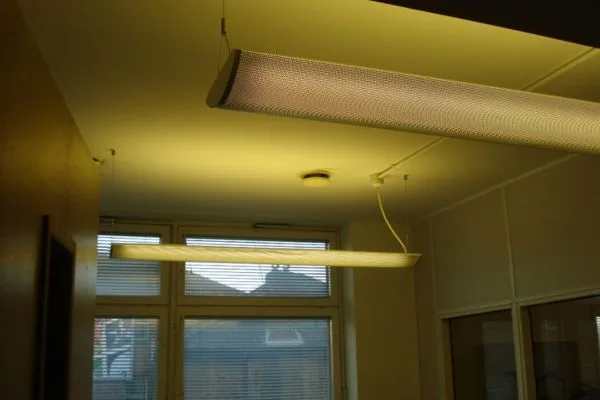
Indirect linear lighting works by directing over 90% of its illumination upward, using the ceiling and upper walls as a reflective surface to distribute light evenly throughout a room. This method creates a soft, diffuse glow that minimizes shadows and eliminates the harsh glare often associated with direct light sources.
For commercial spaces, this means creating a more comfortable and productive atmosphere. The focus is on providing high-quality ambient lighting that feels natural and reduces eye strain. Factors like color temperature and total lumens are carefully selected to match the function of the space. We will explore how these systems work and how they differ from direct lighting solutions.
How Indirect Linear Lighting Works and Its Core Principles
The fundamental principle of indirect linear lighting is to bounce light off large surfaces to create diffuse illumination. Instead of casting light directly onto a task area or floor, fixtures are aimed at the ceiling. This surface then acts as the primary light source for the room, scattering light in multiple directions. The result is an environment free from the sharp contrasts and deep shadows that direct lighting can produce.
Successful implementation depends on several core principles. The ceiling height and color are critical; higher, lighter-colored ceilings reflect more light and distribute it more effectively. The fixture’s lumen output must be sufficient to achieve the desired brightness after reflection.
Furthermore, specifications such as the color temperature of the light (measured in Kelvin) and power consumption (watt) are essential. These factors determine the mood and energy efficiency of the space. By controlling the watt usage and lumen output, you can achieve optimal illumination levels for any commercial application.
Key Differences Between Indirect and Direct Linear Lighting
The primary difference between indirect and direct linear lighting is the direction of the light output. Direct fixtures cast their light downward, providing focused illumination on specific areas. This is often used for task-oriented environments. In contrast, indirect lighting casts light upward, creating softer, more uniform ambient light.
This distinction leads to significant differences in visual comfort. Direct lighting can create harsh glare, especially on reflective surfaces like computer screens, leading to eye strain. Indirect lighting minimizes glare by diffusing the light source, making it ideal for offices and spaces where visual comfort is a priority. While direct lighting can be more efficient in delivering a high lumen count to a surface, indirect lighting excels at creating a welcoming atmosphere.
Understanding the specification differences is key for project planning. The choice between them depends entirely on the intended function and desired feel of the commercial space.

| Feature | Indirect Linear Lighting | Direct Linear Lighting |
|---|---|---|
| Light Direction | Light is directed upward toward the ceiling. | Light is cast downward onto surfaces. |
| Glare | Minimal to no glare, reducing eye strain. | Can produce significant glare. |
| Shadows | Creates soft, diffused shadows. | Produces sharp, high-contrast shadows. |
| Application | Ideal for ambient lighting, offices, and retail. | Best for task lighting and highlighting. |
| Atmosphere | Makes spaces feel larger and more open. | Provides focused, intense illumination. |
Advantages of Indirect Linear Lighting for Commercial Projects
For large-scale commercial projects, the benefits of indirect linear lighting are substantial. The most significant advantage is the superior visual comfort it provides, which can lead to increased productivity and employee satisfaction. By reducing glare and creating balanced ambient lighting, these systems make spaces more pleasant to work in.
Furthermore, when paired with modern LED technology, indirect linear fixtures deliver impressive energy efficiency and sustainable solutions. This translates to lower operational expenses and a reduced environmental footprint, which are critical considerations for bulk buyers. We’ll now examine how these systems enhance visual comfort and contribute to sustainability goals.
Enhanced Visual Comfort and Ambient Illumination
One of the most compelling reasons to choose indirect linear lighting for commercial applications is the dramatic improvement in visual comfort. By reflecting light off the ceiling, these systems create a broad, even layer of illumination that softens shadows and eliminates the harsh bright spots common with direct fixtures. This reduction in contrast significantly lowers the risk of eye strain and headaches, particularly in office environments with extensive computer use.
This approach is highly effective for establishing a room’s ambient lighting. The diffuse light makes spaces feel more open, larger, and more inviting. For retail stores or hospitality settings, this can create a welcoming atmosphere that encourages customers to stay longer. The key benefits for visual comfort include:
- Significant Glare Reduction: Protects eyes from strain and discomfort.
- Uniform Illumination: Eliminates “hot spots” and dark corners for balanced light.
- Softer Shadows: Creates a more natural and less distracting visual field.
Ultimately, enhanced visual comfort is not just a luxury; it’s a functional benefit that can improve well-being and performance in any commercial setting.
Energy Efficiency and Sustainable Solutions with LED Technology
Modern indirect linear lighting systems are engineered for exceptional energy efficiency, primarily due to the integration of advanced LED technology. LEDs consume significantly less energy than traditional fluorescent bulbs to produce the same amount of light, leading to direct and substantial savings on electricity costs. For businesses purchasing in bulk, these savings multiply across the entire facility, making a noticeable impact on the bottom line.
Beyond cost savings, LED-based systems represent sustainable solutions. LEDs have a much longer lifespan, reducing the waste and maintenance costs associated with frequent replacements. This durability makes them a reliable choice for large-scale installations. As a US-based manufacturer, we also offer products that comply with standards like the Buy American Act (BAA), ensuring your project meets specific procurement requirements while supporting domestic manufacturing. Key advantages include:
- Uses Less Energy: Drastically cuts electricity consumption compared to older technologies.
- Longer Lifespan: LEDs last for years, minimizing replacement needs.
- BAA Compliance: Our products can meet government and municipal contract standards.
Leading Fixture Types and Installation Approaches
The versatility of indirect linear lighting is reflected in the variety of available linear fixtures and installation methods. Depending on the architectural design and functional needs of a space, you can choose from several options to achieve the desired lighting effect. Common approaches include pendant, wall mount, and ceiling mount fixtures.
Each type offers distinct aesthetic and practical benefits. Pendant lights add a modern design element, while wall and ceiling mount options can be integrated more seamlessly into the architecture. Understanding the differences between these fixture types will help you select the ideal solution for your commercial project.
Indirect Pendant Light Designs for Modern Interiors
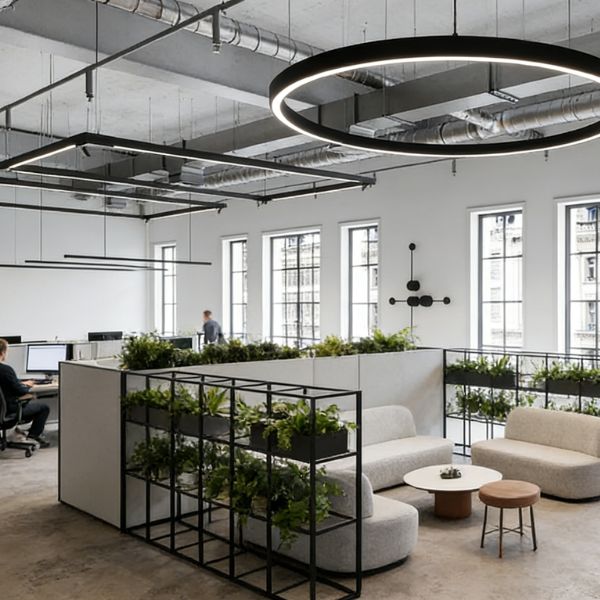
Indirect pendant light fixtures are a popular choice for modern interiors, offering both functional illumination and a strong design statement. These linear fixtures are suspended from the ceiling by cables or stems, allowing them to hang at the perfect height to cast light upward. This design is particularly effective in spaces with high or open ceilings, as it brings the light source down to an optimal level for reflection.
In commercial settings like creative offices or upscale retail stores, pendant designs add a touch of sophistication. Their linear form complements contemporary architecture, and they can be installed as single fixtures or in continuous runs to create dramatic visual lines. The ability to customize a pendant’s length and finish allows it to be tailored to any design scheme.
Furthermore, many pendant light models offer adjustable color temperature settings, giving you control over the ambiance of the space. This flexibility makes them a prime choice for multi-use environments where the lighting may need to adapt to different activities throughout the day.
Integration of Architectural Linear Lighting and Ceiling-Mounted Options
For a more integrated and subtle look, architectural linear lighting provides a seamless solution. These systems are designed to blend into the building’s structure, often recessed into coves or mounted flush against surfaces. Ceiling mount fixtures are a key part of this approach, sitting directly on the ceiling to cast a wide spread of light upwards. This method is excellent for spaces with standard or lower ceiling heights where pendants might hang too low.
Wall mount fixtures offer another way to achieve indirect illumination, washing the upper walls and ceiling with light from the side. This can be particularly effective in corridors or rooms where you want to emphasize height. Both ceiling and wall-mounted options can be used on a sloped ceiling with the right mounting hardware, providing flexibility for various architectural designs. Key integration benefits include:
- A clean, minimalist aesthetic that complements the architecture.
- Effective illumination for rooms with various ceiling heights.
- Versatile mounting options for walls, flat ceilings, and a sloped ceiling.
Architectural linear lighting is about making the light source itself disappear, leaving only the beautiful, diffuse effect behind.
Conclusion
In summary, indirect linear lighting emerges as a superior choice for commercial projects, offering numerous advantages that enhance both functionality and aesthetics. By providing ambient illumination and energy efficiency, these lighting solutions not only fulfill practical needs but also elevate the overall design of the space. As businesses increasingly prioritize sustainability and visual comfort, embracing indirect lighting becomes essential for modern commercial environments. If you’re considering an upgrade or installation of indirect linear lighting, don’t hesitate to reach out for quotes to find the perfect solution tailored to your specific needs.
Frequently Asked Questions
What factors should be considered when choosing indirect linear lighting for commercial spaces?
When selecting indirect linear lighting, consider the ceiling height and color, the required lumen output for the space, and the desired color temperature. It is also important to evaluate the fixture specification, overall project budget, and long-term installation costs to ensure the solution meets all your commercial requirements.
Where are indirect pendant light fixtures typically installed in office or retail environments?
In office environments, indirect pendant light fixtures are often installed over open-plan workspaces, conference tables, and in reception areas. In retail spaces, they are used to create inviting ambient lighting throughout the store, especially in areas with high ceilings where they can make a strong design statement.
Are there specific applications where indirect linear lighting outperforms direct lighting in commercial projects?
Yes, indirect linear lighting excels in commercial applications where reducing glare is a priority, such as offices with many computer screens and healthcare facilities where patient comfort is key. It provides superior ambient lighting that creates a more welcoming and less institutional feel, which is also beneficial for upscale retail environments.

Leave A Comment