
Key Highlights
- LED lighting offers significant advantages over traditional sources, including superior energy efficiency and a much longer lifespan.
- The application of LED technology is vast, covering residential, commercial, industrial, and specialized sectors like automotive and healthcare.
- One of the main advantages of LED lights is the substantial cost savings achieved through reduced energy consumption and lower maintenance needs.
- Modern LED lighting solutions provide enhanced design flexibility, from ultra-thin panels to robust fixtures for any environment.
- LEDs contribute to environmental sustainability by lowering carbon footprints and reducing waste, as they contain no hazardous materials like mercury.
Introduction
Light-emitting diodes, or LEDs, have fundamentally transformed modern illumination. This revolutionary LED technology has moved beyond simple indicator lights to become the leading choice for lighting solutions worldwide. Renowned for their efficiency, durability, and versatility, LED lighting products are now the standard in homes, businesses, and public spaces. As we explore the science and practical uses of LEDs, it becomes clear why they have replaced older technologies, offering benefits that extend from energy savings to enhanced performance in countless applications.
Understanding LED Lighting Technology
The widespread adoption of LED technology stems from its unique method of producing light. Unlike past lighting solutions, LED lighting converts electricity into light far more efficiently, which has reshaped the entire lighting industry. This efficiency minimizes energy consumption and heat, making LEDs ideal for a broad range of lighting applications.
Understanding the core principles of how these devices work reveals why they are so versatile. From the basic semiconductor function to advanced fixture designs, every aspect of LED technology is engineered for superior performance.
What Is an LED and How Does It Work
At its heart, a Light-Emitting Diode (LED) is a semiconductor device that allows an electric current to pass through it in one direction. What makes an LED unique is its ability to emit light through a process called electroluminescence. When current is applied, electrons within the semiconductor material recombine with “holes,” releasing energy in the form of photons, which we see as visible light.
This direct conversion of electricity to light is remarkably efficient compared to traditional bulbs that waste significant energy as heat. The specific material used in the semiconductor determines the color of the light. For instance, materials like gallium nitride are used to produce blue light, a key innovation that paved the way for white LEDs.
By adjusting the composition of the semiconductor, manufacturers like Brandon Lighting can create a full spectrum of colors. This capability allows for precise and tailored LED lighting solutions for nearly any application, from simple indicators to complex illumination systems.
Types of LED Lights for Everyday Use
The evolution of LED technology has produced a diverse array of light types for everyday life. Early on, LEDs were primarily used as small, low-intensity indicator lights on electronic devices. However, the development of high-efficiency blue LEDs and subsequent white light technologies opened the door for general illumination.
Today, the application of LED is incredibly broad, with various form factors designed for specific functions. These range from direct replacements for traditional light bulbs to fully integrated fixtures. The ability to produce high-quality white light has made LEDs the dominant technology in homes and businesses.
You can find LED lights in many forms, each suited for different purposes:
- LED Bulbs: Designed to fit standard sockets, these are easy replacements for incandescent or fluorescent lamps.
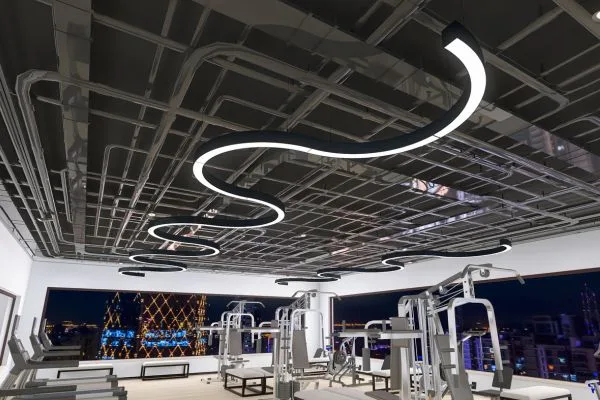
- LED Strips: Flexible strips of LEDs used for accent lighting, under-cabinet illumination, and creative design features.
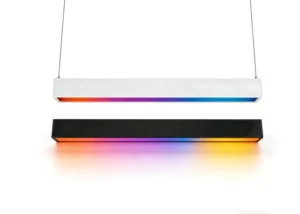
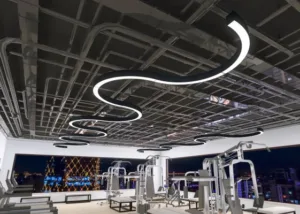
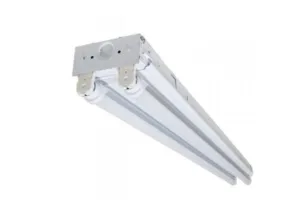
- Integrated Fixtures: Luminaires with built-in LEDs, optimized for applications like task lighting, ceiling panels, and outdoor street lighting.
Advances in LED Fixture Design
Modern LED lighting is not just about the diode itself; the design of the light fixture plays a critical role in its performance and longevity. Advances in fixture engineering have unlocked new levels of energy efficiency and design possibilities that were impossible with older lighting products. Innovations in optics, for example, allow light to be directed precisely where it is needed, reducing waste.
A key aspect of advanced fixture design is thermal management. Although LEDs are efficient, they still produce some heat at the semiconductor junction. An effective light fixture incorporates heat sinks or other cooling mechanisms to dissipate this heat, ensuring the LED maintains its brightness and long lifespan. Poor thermal management can significantly shorten the life of an LED.
As a UL-certified manufacturer, Brandon Lighting focuses on creating lighting products that excel in both performance and safety. The table below compares key features of modern LED fixtures to traditional ones.
| Feature | Modern LED Fixture | Traditional Fixture (Incandescent/CFL) |
|---|---|---|
| Energy Efficiency | High (converts most energy to light) | Low (wastes significant energy as heat) |
| Lifespan | 25,000 – 50,000+ hours | 1,000 – 8,000 hours |
| Heat Dissipation | Integrated thermal management | Generates high heat, requires ventilation |
| Directionality | Focused, directional light output | Omnidirectional, often requiring reflectors |
| Durability | Solid-state, shock-resistant | Fragile glass and filaments |
Practical Benefits of LED Lights
The shift toward LED lighting solutions is driven by a clear set of practical advantages. Beyond their technological sophistication, LEDs offer tangible benefits that impact both your budget and daily operations. The primary draws are their exceptional energy efficiency and remarkably long lifespan.
These core benefits translate into direct cost savings and enhanced reliability. Whether for a home or a large commercial facility, the decision to switch to LEDs is an investment that pays off through lower operational costs and reduced maintenance burdens.
Energy Efficiency and Cost Savings
One of the most compelling reasons to adopt LED technology is its outstanding energy efficiency. LEDs consume up to 75% less energy than traditional incandescent bulbs to produce the same amount of light. This drastic reduction in energy consumption means you use significantly less electricity for your lighting needs.
This efficiency directly translates into lower energy costs. For any business or homeowner, lighting can be a substantial portion of the monthly electricity bill. By switching to LEDs, you can achieve considerable savings over time, making it a financially smart upgrade. The initial investment in LED fixtures is quickly offset by the reduction in operational expenses.
Because LEDs convert most of their electrical energy into light rather than heat, they also help reduce the load on cooling systems in commercial buildings, leading to even greater energy savings. This makes them a cornerstone of any energy-reduction strategy.
Long Lifespan and Reliability
A defining feature of LED technology is its incredibly long lifespan. A quality LED light can operate for 25,000 to 50,000 hours or more. This is 25 times longer than a typical incandescent bulb and three to five times longer than a CFL. This durability drastically reduces the frequency of replacements.
This extended operational life brings unparalleled reliability to all lighting applications. In settings where replacing a bulb is difficult or disruptive, such as in high ceilings, public infrastructure, or industrial machinery, the long lifespan of LEDs is a major advantage. You can install them and trust they will perform consistently for years.
The solid-state construction of LED lights also contributes to their reliability. Lacking fragile filaments or glass tubes, they are highly resistant to shock, vibrations, and impact. This makes them the ideal choice for demanding environments where traditional bulbs would fail quickly.
Reduced Maintenance in Commercial and Residential Settings
The long life of LED lights directly leads to a significant reduction in maintenance requirements. For businesses, the costs associated with replacing traditional bulbs go beyond the price of the bulb itself; they also include the labor needed for replacement and potential operational downtime. Commercial lighting systems in large facilities can involve hundreds or thousands of fixtures, making frequent replacements a costly hassle.
With LEDs, the need for routine replacement is virtually eliminated for many years. This frees up maintenance staff to focus on other critical tasks and reduces the inventory of spare bulbs you need to keep on hand. In hard-to-reach areas like high-bay warehouses or streetlights, this benefit is even more pronounced, improving safety by minimizing the need for lifts and ladders.
Even in residential settings, reduced maintenance is a welcome convenience. You no longer have to worry about frequently changing bulbs in ceiling fixtures or outdoor lights. The combination of lower maintenance and energy savings makes switching to LED lights a practical and cost-effective decision for any property owner.
LED Applications in Residential Homes
In residential homes, LED lighting has moved from a novelty to a standard for all lighting needs. Its versatility allows homeowners to create functional and atmospheric environments throughout their living spaces. From general room illumination to specific task lighting, LEDs offer a solution for every corner of the house.
The adaptability of this technology also extends to outdoor lighting, where efficiency and durability are paramount. We will explore how LED fixtures are transforming living areas, kitchens, bathrooms, and landscapes, providing better light while saving energy.
LED Fixtures for Living Spaces and Bedrooms
In living spaces and bedrooms, LED fixtures offer unmatched flexibility to create the perfect ambiance. For general lighting, LED recessed downlights or ceiling fixtures provide bright, even illumination without the harsh glare of older technologies. The energy efficiency of these fixtures means you can light your rooms beautifully without worrying about high electricity bills.
LEDs also excel at accent lighting. You can use directional spotlights to highlight artwork or architectural features, or install LED strips behind a headboard or along shelving to add a soft, modern glow. The ability to dim LEDs allows you to easily transition from a bright, functional space to a cozy, relaxed atmosphere.
Many modern LED fixtures also offer adjustable color temperatures. This allows you to change the light from a cool, energizing white during the day to a warm, calming tone in the evening. This level of control helps align your home’s lighting with your natural circadian rhythms, improving comfort and well-being in your most personal living spaces.
Kitchen and Bathroom Lighting Solutions
Kitchens and bathrooms are spaces where effective lighting is crucial for both function and safety. LED lighting solutions are perfectly suited for these environments, offering bright, clear light for tasks while being durable enough to handle moisture and frequent use. A layered lighting approach using different LED lighting products works best.
For general illumination, a powerful LED ceiling light can brighten the entire room. In the kitchen, this can be supplemented with task lighting. Under-cabinet lighting is a popular choice, as it illuminates countertops directly, eliminating shadows and making food preparation safer and easier. In bathrooms, placing LED fixtures around the mirror provides clear, even light for grooming.
Here are some popular LED solutions for these rooms:
- Under-Cabinet LED Strips: Provide focused task lighting on kitchen counters.
- Recessed LED Downlights: Offer clean, modern general illumination for both kitchens and bathrooms.
- LED Vanity Lights: Deliver bright, flattering light around bathroom mirrors.
Choosing a dimmable LED bulb or fixture gives you the flexibility to adjust the brightness for different activities, from energetic morning routines to relaxing evening baths.
Outdoor and Landscape Lighting for Homes
For outdoor lighting and landscape lighting, LED lights are the superior choice due to their durability, energy efficiency, and long lifespan. These fixtures must withstand varying weather conditions, from rain and snow to extreme temperatures, and the solid-state construction of LEDs makes them exceptionally resilient.
Properly illuminating pathways, driveways, and entrances with LEDs enhances safety and security around your home. The bright, reliable light deters potential intruders and prevents trips and falls in the dark. Because they consume so little power, you can leave your outdoor security lights on all night without a major impact on your energy bill.
LEDs also offer creative possibilities for landscape lighting. You can use them to highlight trees, garden beds, and architectural features of your home, adding curb appeal and creating a beautiful nighttime scene. Whether your lighting needs are for security or aesthetics, the efficiency and reliability of LED lights make them the ideal solution for any outdoor application.
LED Lights in Commercial and Industrial Environments
In commercial and industrial settings, lighting is a critical operational component that impacts productivity, safety, and expenses. LED lighting has become the standard in this sector, offering robust solutions for illuminating large areas like warehouses, manufacturing floors, and office buildings. The lighting industry has responded with specialized products designed for these demanding environments.
From improving employee well-being in offices to ensuring clarity in retail displays, the applications are diverse. We’ll examine how LEDs are specifically tailored for office buildings, industrial facilities, and retail stores to maximize performance and deliver a strong return on investment.

Office Building Illumination and Productivity
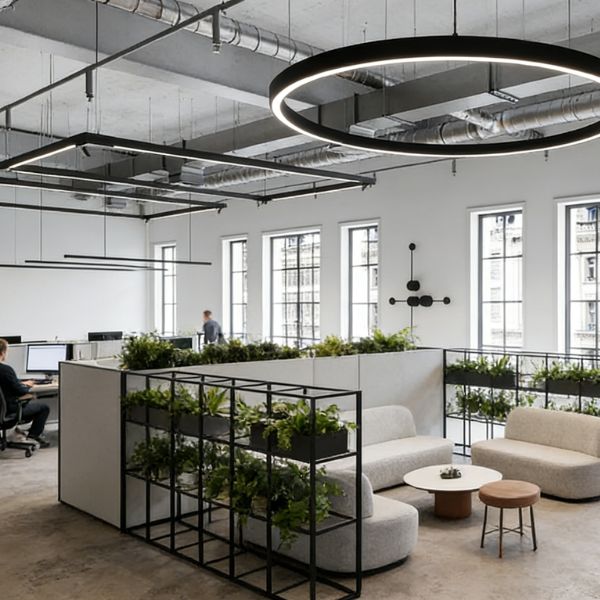
In modern office spaces, the quality of lighting directly affects employee comfort, well-being, and productivity. Poor lighting can cause eye strain, headaches, and fatigue. LED lighting provides bright, consistent, and flicker-free illumination that creates a more comfortable and productive work environment.
LED lighting solutions like troffers and panels distribute light evenly across open-plan offices, cubicles, and conference rooms, eliminating dark spots and harsh glare. The significant energy savings from LEDs also help companies reduce their operational costs, freeing up budget for other business priorities. This makes upgrading to LEDs a smart financial decision for any office building.
Furthermore, many commercial LED systems offer advanced controls, such as dimming and color temperature tuning. This allows for the creation of human-centric lighting environments that can be adjusted to support employees’ natural alertness cycles throughout the day. Better lighting leads to happier, more focused employees, making LED an essential tool for forward-thinking businesses.

Warehouse and Manufacturing Facility Lighting
For a warehouse or manufacturing facility, high-quality lighting is a matter of safety and operational efficiency. These large, often high-ceilinged spaces require powerful and reliable illumination. LED high-bay lights are designed specifically for these lighting applications, delivering intense, uniform light that improves visibility and reduces the risk of accidents.
The low energy consumption of LED lights is a massive benefit in these settings, where lights may be on 24/7. Switching from traditional metal halide or fluorescent fixtures to LEDs can cut lighting-related energy costs by 50% or more. Their long lifespan also means maintenance is minimal, a crucial advantage when replacing fixtures requires specialized equipment like scissor lifts.
Moreover, LED lights turn on to full brightness instantly, unlike older technologies that need time to warm up. This is ideal for facilities that use motion sensors or other controls to manage lighting in different zones. The durability of LEDs also ensures they can withstand the vibrations and demanding conditions common in a manufacturing facility.

Retail Storefront and Display Lighting
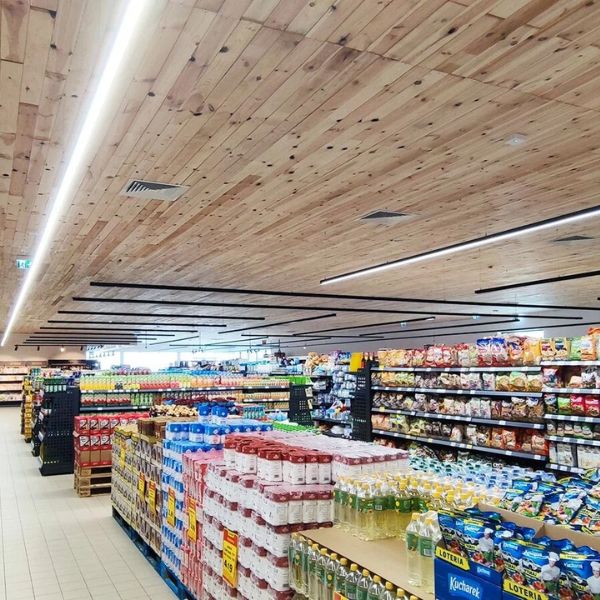
In retail stores, lighting is a powerful tool for attracting customers and showcasing products. LED lighting offers the versatility to create inviting atmospheres and make merchandise look its best. From general store illumination to focused display lighting, LEDs help craft a compelling shopping experience.
High-quality LED lighting products can render colors accurately, ensuring that clothing, produce, and other goods appear vibrant and true to life. This is critical for customer satisfaction and sales. Accent lighting, such as LED spotlights, can be used to draw attention to specific promotions or high-value items, guiding the customer’s eye and highlighting key products.

Here’s how LEDs are used in retail:
- Track Lighting: Provides flexible accent lighting that can be adjusted as store layouts change.
- Recessed Downlights: Offer clean, modern general illumination for aisles and common areas.
- LED Strips: Used within shelving and display cases to make products pop.
The energy efficiency and low heat output of LEDs also keep stores cooler and reduce operating costs, making them the preferred choice for retail environments.
Specialized LED Applications
Beyond general illumination, the unique properties of LED lighting have enabled a wide range of specialized applications across the lighting industry. Their compact size, durability, fast switching speed, and ability to produce specific wavelengths of light make them invaluable in various technologies, from automotive systems to medical equipment.
These innovative uses demonstrate the true versatility of LED technology. We will explore how LEDs are driving advancements in cars, powering the electronic devices we use daily, and playing a critical role in healthcare settings.
Automotive Lighting Innovations
The automotive lighting sector has been completely transformed by LED lights. Their durability, efficiency, and compact size have allowed for new design possibilities and enhanced safety features. LEDs are now used for everything from headlights and taillights to interior cabin lighting.
One of the most significant safety advantages is their instant-on capability. When a driver hits the brakes, LED brake lights illuminate to full brightness instantly, fractions of a second faster than incandescent bulbs. This gives the driver behind more time to react, potentially preventing a collision. The same benefit applies to turn indicator lights.
Furthermore, the development of powerful white LEDs, which often start with a blue light source, has enabled the creation of sleek, high-performance headlights. These lights provide superior visibility at night and have a much longer lifespan than traditional halogen bulbs. The design freedom offered by small LEDs has also allowed automotive designers to create distinctive and stylish lighting signatures for different vehicle models.
LED Use in Electronic Displays and Screens
LEDs are fundamental to the electronic devices and displays we use every day. In LCD screens, found in TVs, monitors, and smartphones, white LEDs are used as a backlight to illuminate the pixels. This shift from older fluorescent backlights has enabled thinner, more energy-efficient, and brighter electronic displays.
In another type of display technology, OLED (Organic Light-Emitting Diode), each pixel is a tiny LED that produces its own visible light. This eliminates the need for a backlight entirely, allowing for true blacks, higher contrast ratios, and even thinner and more flexible screens.
The application of LED lighting in displays is widespread:
- LCD Backlights: White LEDs provide the illumination for most modern screens.
- OLED Displays: Each pixel is an individual LED, offering superior image quality.
- Indicator Lights: Tiny LEDs signal power status, notifications, and other functions on countless electronic devices.
- Large-Scale Video Walls: Massive displays seen in stadiums and public squares are made from arrays of red, green, and blue LEDs.
Medical and Healthcare Lighting
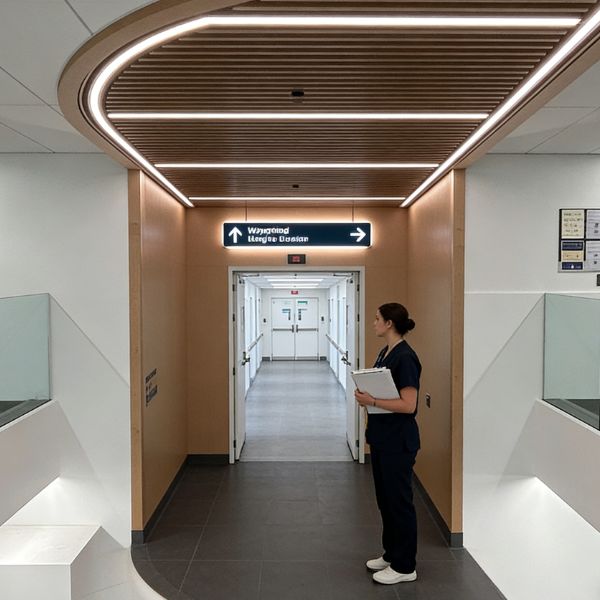
In the medical and healthcare fields, precision and reliability are paramount, and LED lighting delivers on both fronts. Specialized lighting solutions are essential for diagnostics, surgical procedures, and therapeutic treatments. LEDs provide bright, focused, cool light that is critical in these environments.
Surgical lights, for example, use high-intensity LEDs to illuminate the operating field without casting shadows or generating excess heat, which could be uncomfortable for the surgical team and harmful to patient tissue. Dentists use handheld LED curing lights that emit specific wavelengths to harden composite resins in seconds. This is a significant improvement over older, bulkier UV lamps.
Beyond illumination, specific LED lighting applications are used for therapy. Phototherapy devices using LEDs can treat skin conditions like psoriasis or neonatal jaundice. Infrared LEDs are used in pulse oximeters to measure blood oxygen levels non-invasively. The ability to produce targeted wavelengths makes LED lighting a versatile tool in modern healthcare.

Environmental Impact and Sustainability of LEDs
The widespread adoption of LED technology has significant positive implications for environmental sustainability. By addressing two key areas—energy consumption and waste—LEDs offer a much greener alternative to traditional lighting. Their efficiency directly reduces the demand for electricity, which in turn lessens the burden on power plants.
Furthermore, the materials and long lifespan of LEDs contribute to a smaller environmental footprint over their entire life cycle. Examining these benefits reveals how a simple switch in lighting can be a meaningful step toward a more sustainable future.
Lower Carbon Footprint and Energy Consumption
The most significant environmental benefit of LED lighting is its drastic reduction in energy consumption. Since a large portion of electricity worldwide is still generated from fossil fuels, lowering energy demand is a direct way to reduce greenhouse gas emissions and combat climate change. The energy savings from LEDs result in a substantially lower carbon footprint.
When implemented on a large scale, such as in cities converting their streetlights or large businesses upgrading their facilities, the collective impact is massive. Illuminating large areas with LEDs requires a fraction of the power needed by older technologies, leading to nationwide reductions in energy use.
Key environmental benefits include:
- Reduced Electricity Demand: Lowering the strain on power grids.
- Lower Greenhouse Gas Emissions: Directly contributing to climate change mitigation.
- Conservation of Resources: Less fuel is needed to generate power.
By choosing LED lighting, you are not only saving money but also making a responsible choice for the planet.
Waste Reduction and Recyclable Materials
Another major environmental advantage of LED lighting is waste reduction. Thanks to their extremely long lifespan, LEDs need to be replaced far less frequently than traditional bulbs. An LED can last as long as 25 incandescent bulbs, meaning 24 fewer bulbs are manufactured, transported, and ultimately thrown away.
This dramatic reduction in replacement frequency significantly lessens the amount of waste sent to landfills. Unlike compact fluorescent lamps (CFLs), LED lighting products do not contain mercury, a toxic heavy metal that poses a serious environmental hazard if not disposed of properly. This makes LEDs a safer and cleaner choice.
While LEDs are complex electronic devices, many of their components, such as aluminum heat sinks and plastic lenses, are made from recyclable materials. As the industry grows, recycling programs for LED lighting are becoming more common, further minimizing their environmental impact at the end of their life.
Conclusion
In conclusion, the application of LED lighting in everyday life is vast and transformative. From enhancing energy efficiency and reducing maintenance costs to providing innovative solutions in both residential and commercial settings, LEDs are redefining how we illuminate our spaces. Their long lifespan and environmental benefits make them a superior choice for sustainable living and working. As you consider your lighting needs, think about how these advancements in LED technology can not only improve aesthetics but also contribute to lower energy consumption and a healthier planet. For personalized guidance or to explore our range of UL-certified LED fixtures, get in touch with us today!
Frequently Asked Questions
What factors should be considered when selecting LED fixtures for different applications?
When selecting LED fixtures, consider the specific lighting needs of the application, such as required brightness (lumens) and color temperature. Also, evaluate the energy efficiency, beam angle, and UL certification of the lighting products to ensure they meet performance and safety standards for different lighting applications.
Can LED lights support plant growth for indoor gardening?
Yes, LED lights are excellent for indoor gardening. Specialized “grow lights” are an application of LED technology that provides specific light spectra (often red and blue) that plants need for photosynthesis. These lighting solutions are highly effective and offer significant energy savings compared to traditional grow lamps.
How do UL certification and quality standards impact LED lighting performance?
UL certification ensures that LED lighting products have been rigorously tested for safety and performance. For contractors and brands in the lighting industry, choosing UL-certified lighting solutions from a manufacturer like Brandon Lighting guarantees reliability, protects against electrical hazards, and confirms that the product meets high-quality standards.









Leave A Comment