
Key Highlights
- UL certification for lighting products signifies they have met rigorous, third-party safety standards set by Underwriters Laboratories.
- The UL mark on a product confirms it has been tested for potential fire and electrical hazards, ensuring product safety.
- Different UL ratings exist for various environments, such as dry, damp, and wet locations, guiding proper and safe installation.
- Choosing UL certified lighting provides peace of mind, knowing your fixtures adhere to high safety and quality benchmarks.
- Identifying the genuine UL mark is key to avoiding counterfeit products and ensuring you get the protection you paid for.
Introduction
When you’re shopping for new lighting products, have you ever noticed a small logo on the packaging? Often, you’ll see a seal of approval showing the product has passed strict testing. For many, that important logo comes from Underwriters Laboratories (UL). This UL certification is a key indicator of quality and safety. This guide will explain what UL certification means for lighting, why it’s so important for your home or business, and how to know you’re getting a genuinely safe product.
Understanding UL Certification for Lighting
UL, which stands for Underwriters Laboratories, is a global safety science company dedicated to promoting safe living and working environments. When it comes to lighting, UL certification means a product has been tested by this independent organization to meet specific standards for electrical safety and product safety.
This process ensures that the lighting fixture is free from foreseeable risks of fire or electric shock. Think of it as a promise of safety, backed by a century of expertise in safety science. We will explore what this certification means in practice and the process involved.
What Does It Mean for a Light Fixture to Be UL Certified?
When you see the UL mark on a light fixture, it means that representative samples of the product have been tested against established safety standards and have successfully met all requirements. This certification is a symbol of safety, indicating that the product is ready for consumer use and has been evaluated for potential hazards.
The UL certification isn’t just a one-time check. It signifies that the manufacturer is committed to ongoing compliance. The presence of the UL mark tells you that the product is designed and built with safety as a top priority, following the principles of safety science. It’s a trusted sign that the fixture is suitable for its intended purpose, whether in your home or a commercial space.
Ultimately, a UL certified light fixture is one that has been independently verified to be free from reasonable risk of fire, electric shock, and other dangers under normal conditions of use. It gives you confidence that the product you are installing has passed a thorough and trusted evaluation process.
The UL Certification Process and Key Safety Standards
Gaining UL certification involves a meticulous process. A manufacturer submits its product to Underwriters Laboratories, where it undergoes rigorous testing based on specific UL safety standards. These tests evaluate various aspects of the product, from its electrical construction to its durability and resistance to environmental factors.
The testing process is comprehensive, covering everything from the materials used to the overall design. Each product must meet specific safety requirements to earn the certification. For example, a light fixture might be tested for proper wiring, insulation, and its ability to handle heat without becoming a fire hazard. This ensures high standards of product safety are met before it reaches the market.
Furthermore, UL’s involvement doesn’t end after the initial certification. The organization conducts unannounced factory visits to ensure that the manufacturer continues to produce the product according to the same high UL safety standards. This ongoing verification maintains the integrity of the UL mark and the safety of the products that carry it.
Why UL Certification Matters for Lighting Products
Choosing UL certified lighting is a critical step in ensuring product safety in your space. This certification provides peace of mind, confirming that your light fixtures have been tested to prevent electrical safety hazards like fires and shocks. It’s a simple way to prioritize the well-being of your family, employees, or customers.
In many cases, UL certification isn’t just a recommendation; it can be a requirement. Many local building codes mandate the use of UL certified products for electrical installations. Below, we’ll examine the specific safety benefits and how certification can impact warranties and insurance.
Safety Benefits for Homes and Businesses
The primary reason to choose UL certified lighting is the assurance of product safety. These products are put through demanding tests to ensure they won’t pose a threat in your home or business. This gives you valuable peace of mind, knowing your lighting has met stringent, internationally recognized standards.
UL safety standards are specifically designed to mitigate common electrical hazards. The rigorous testing process evaluates several key safety factors, including:
- Fire resistance: Fixtures are tested to ensure they don’t overheat and become a fire hazard.
- Electric shock prevention: Products are checked for proper insulation and construction to protect users from dangerous electrical currents.
- Mechanical safety: The physical durability of the fixture is assessed to make sure it won’t break or fall apart under normal use.
By addressing these potential dangers, UL certification helps create a safer environment for everyone. Whether for a busy office or a quiet home, using certified products is a proactive step toward preventing accidents and ensuring that your lighting is reliable and secure.
Impact on Warranty, Product Longevity, and Insurance
UL certification can have a positive impact on the warranty and expected product longevity of your lighting fixtures. Manufacturers who invest in UL certification are demonstrating a commitment to quality. This often translates to better-built products that last longer and may come with more robust warranty terms.
While the UL mark itself is not a warranty, it signifies that the product has passed tests for durability and safe performance under normal wear and tear. This focus on product safety and quality during the design and manufacturing phases often results in a more reliable and long-lasting fixture. Choosing a product with the UL mark can be an indicator of its overall quality.
Additionally, using UL certified products can be important for your insurance coverage. In the unfortunate event of a fire or other incident, some insurance companies may investigate whether non-certified electrical products were a contributing factor. Using UL certified lighting helps ensure you are in compliance and protects your investment.
Types of UL Listings for Lighting Fixtures
Not all lighting products are used in the same environment, so UL has different types of listings to match. These listings help you choose the right fixture for a specific location, ensuring it can safely withstand the conditions it will be exposed to. This is a key part of following safety standards.
The most common UL listing categories for lighting are based on the environment’s moisture level: dry, damp, or wet. Understanding these distinctions is crucial for a safe and compliant electrical installation. We’ll also clarify the differences between terms like “UL Listed,” “UL Recognized,” and “UL Classified.”
Dry, Damp, and Wet Location Ratings
UL provides specific ratings for light fixtures based on where they can be safely installed. These ratings are crucial for electrical installation safety and are often required by local building codes, especially in areas with moisture.
A dry location is an area that is not normally subject to dampness, like living rooms, bedrooms, and hallways. A damp location is an area where moisture can accumulate, such as bathrooms (outside the shower), covered porches, and basements. Wet locations are places where fixtures might come into direct contact with water, like shower interiors, open-air patios, and landscape lighting.
Using the correct fixture for the location is vital. A dry-rated fixture in a damp location can lead to rust, short circuits, and a fire hazard. The table below outlines where each type of rated fixture can be used.
| Rating Type | Description | Common Locations |
|---|---|---|
| Dry Rated | For use in indoor areas that do not experience moisture or condensation. | Living rooms, bedrooms, offices, closets. |
| Damp Rated | For use in areas with occasional moisture, but no direct water contact. | Bathrooms (outside shower), covered patios, laundry rooms. |
| Wet Rated | For use in areas where the fixture may have direct contact with water. | Showers, outdoor walls, landscape lighting, uncovered porches. |
Differences Between UL Listed, Recognized, and Classified
The terms UL Listed, Recognized, and Classified all relate to UL’s safety standards, but they apply to different types of products and have distinct compliance processes. It’s important to know what each one means.
UL Listed is the most common mark you’ll see on consumer-ready products. It means the standalone product has been tested and meets all of UL’s safety requirements for its category. On the other hand, UL Recognized is for components that are part of a larger product. This mark means the component is safe to be used within a complete UL Listed system, but it hasn’t been tested as a final product on its own.
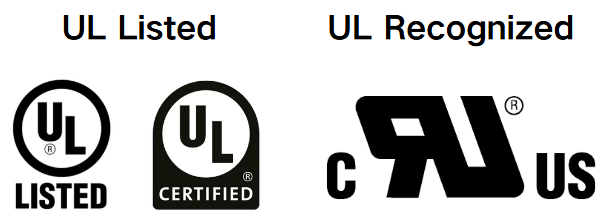
Here’s a quick breakdown:
- UL Listed: For standalone products like a complete light fixture or a smoke detector. It signifies the product is ready and safe for consumer use.
- UL Recognized: For components intended for use in other equipment, such as a power supply or a switch inside a lamp.
- UL Classified: For products evaluated for a specific property, a limited range of hazards, or for use under specific conditions. For example, a product might be classified for its fire resistance only.
How to Identify Genuine UL Certified Lights
When you’re buying lights, it’s important to be sure you’re getting a genuinely certified product. The UL mark is a key product identification feature that confirms its safety. You can usually find the UL label directly on the product, its packaging, or the power cord.
However, counterfeit labels do exist in the lighting industry, so knowing what to look for is essential. A real UL mark has specific characteristics that can help you distinguish it from a fake. We’ll cover how to interpret the UL label correctly and how to spot misleading listings.
Interpreting the UL Mark and Certification Labels
A genuine UL mark is more than just the letters “UL” in a circle. It’s a specific product identification feature that includes several key elements. The complete UL certification mark consists of the UL logo, the word “Listed,” a control number, and the product category name (e.g., “Portable Luminaire”).
Recently, UL introduced the enhanced UL certification mark, which is designed to be easier to understand and harder to counterfeit. This mark often includes a unique identifier that can be looked up in UL’s online database, giving you another layer of verification. Always look for these official marks and language.
Here’s what to look for on a genuine UL label:
- The iconic UL symbol (the letters “UL” inside a circle).
- The word “LISTED” or “CLASSIFIED” or “RECOGNIZED.”
- A control number, which is a 4-character alphanumeric code.
- The product name or category identifier.
Spotting Counterfeit or Misleading Listings
Unfortunately, some manufacturers try to trick consumers with counterfeit or misleading listings to avoid the cost of proper UL certification. Spotting these fakes is crucial for ensuring product safety. A fake label might look blurry, be misspelled, or lack the essential components of a real UL mark.
Be wary of vague language. Phrases like “UL Approved” or “Meets UL standards” are not official and often indicate the product has not actually passed UL’s rigorous testing. A genuine certification will use specific terms like “UL Listed” or “UL Classified.” If a deal seems too good to be true, double-check the certification.
Here are some red flags that may indicate a counterfeit or misleading listing:
- The UL mark is missing the control number or product category.
- The label uses incorrect phrasing like “UL Pending” or “UL Approved.”
- The logo looks distorted, has incorrect proportions, or is just a simple “UL” without the circle.
- The product is sold at a significantly lower price than comparable certified products.
Conclusion
In summary, understanding UL certified lighting is essential for ensuring the safety and quality of your lighting fixtures, whether for home or business use. By prioritizing UL certification, you not only enhance the safety of your environment but also ensure longevity and reliability in your lighting products. Remember to look for genuine UL marks and be aware of counterfeit listings to make informed decisions. With this knowledge, you can confidently choose lighting solutions that meet stringent safety standards. If you’re ready to upgrade your lighting, don’t hesitate to get quotes for your commercial needs today!
Frequently Asked Questions
Are UL Certified Lights Required by U.S. Building Codes?
While not a universal federal law, many local building codes across the United States and North America require electrical products, including lights, to be certified by a Nationally Recognized Testing Laboratory like UL. This is to ensure they meet established safety standards before being installed in homes and commercial buildings.
How Is UL Certification Different From ETL or Other Certifications?
UL and ETL (Intertek) are both Nationally Recognized Testing Laboratories that test products to the same safety standards. The main difference is that they are separate entities. UL develops many of the standards, while ETL tests to them. A product with either mark has met the required safety standards.
Can I Retrofit My Existing Lights to Obtain UL Certification?
Retrofitting existing lighting products to obtain UL certification is generally not feasible for a consumer. The certification process is complex and must be done by the manufacturer during the design and production stages. Attempting to modify a fixture could void its original certification and compromise product safety.

Leave A Comment