
Key Highlights
- Architectural lighting manufacturers focus on integrating lighting products with building design to enhance form and function.
- These companies offer specialized lighting solutions that go beyond general illumination, focusing on aesthetics and atmosphere.
- Leading architectural lighting manufacturers provide a wide range of products, including LED systems, custom fixtures, and smart controls.
- Many manufacturers prioritize energy efficiency and sustainable practices, supporting green building standards like LEED.
- Collaboration between designers and manufacturers is key to achieving tailored lighting for specific architectural projects.
- The industry is continuously evolving with new design trends, including integrated acoustic solutions and advanced smart lighting systems.
Introduction
Welcome to the world of architectural lighting, where light does more than just illuminate—it transforms spaces. For designers and architects, choosing the right lighting is crucial for shaping mood, enhancing form, and ensuring usability. The architectural lighting industry is dynamic and diverse, with lighting manufacturers constantly pushing boundaries. This guide will introduce you to the leading architectural lighting manufacturers, helping you select the perfect partner for your next project by exploring their offerings and what sets them apart in the field of lighting design.
Understanding Architectural Lighting Manufacturers
An architectural lighting manufacturer specializes in creating lighting systems designed to integrate seamlessly into a building’s structure. Their focus goes beyond simple illumination to enhance the aesthetic and functional aspects of architectural projects. These companies are partners in the design process, providing solutions that emphasize form, create ambiance, and highlight key features.
Their role is distinct from that of standard lighting suppliers. They offer specialized expertise and products intended to complement and elevate the architectural vision. Let’s explore what defines them and their crucial role in design.
Defining Architectural Lighting vs. Standard Lighting Companies
The primary distinction between architectural and standard lighting lies in purpose and integration. Architectural lighting solutions are crafted to become part of the building’s design, enhancing architectural spaces by emphasizing form, texture, and atmosphere. It’s about using light as a design material itself.
In contrast, standard lighting companies typically focus on general illumination. Their products are designed to light a space adequately for visibility and function, but often without the same level of aesthetic integration or specialized performance. Think of a functional overhead light versus a recessed linear system that traces the curve of a wall.
Ultimately, architectural lighting is a specialized field where luminaires and systems are developed to work in harmony with the architecture. This approach provides designers with the tools to create visually compelling and emotionally resonant environments, moving far beyond the capabilities of conventional lighting.
The Role of Manufacturers in Design Projects
Architectural lighting manufacturers are much more than just suppliers; they are active collaborators in the design process. Their role often begins early in a project, working alongside architects and lighting designers to understand the vision and technical requirements. This partnership ensures the final architectural lighting design is both beautiful and functional.
These manufacturers provide invaluable support, from offering a wide product range that aligns with current design trends to developing custom solutions for unique challenges. They can offer technical expertise on aspects like beam angles, color rendering, and control systems, helping designers make informed decisions that bring their concepts to life.
By offering services like consulting, engineering support, and even installation guidance, manufacturers help streamline the specification process. This collaborative approach saves time, avoids potential issues, and ensures the lighting seamlessly integrates with the overall architectural project, achieving the desired aesthetic and performance goals.
Key Types of Products Offered by Architectural Lighting Manufacturers
Architectural lighting manufacturers provide a diverse portfolio of lighting products designed for integration and aesthetic impact. Their offerings include advanced architectural luminaires and sophisticated lighting systems that go far beyond standard fixtures. You will find everything from linear lighting that creates clean lines of light to recessed downlights that offer unobtrusive illumination.
These products are engineered for specific architectural applications, such as wall grazing, cove lighting, and perimeter lighting, each designed to highlight structural elements and create a desired ambiance. We will look closer at some of the most common and innovative product categories.
LED Lighting Solutions for Commercial and Residential Use
LED technology has revolutionized the lighting industry, and architectural manufacturers are at the forefront of this change. They offer a vast array of LED lighting solutions tailored for both commercial interiors and residential lighting. These efficient lighting solutions provide superior performance, a longer lifespan, and enhanced control capabilities compared to traditional sources.
Many leading manufacturers specialize exclusively in LED products. Companies like Precision Architectural Lighting and American Linear Lighting focus on creating high-performance LED luminaires that meet the demands of modern architectural projects. Their product lines demonstrate the versatility of LED technology.
Key offerings in this category include:
- Linear LED Systems: Elongated fixtures for continuous, seamless lines of light, popular in offices and public spaces.
- Architectural LED Downlights: Specification-grade recessed fixtures known for precise beam control and low glare.
- LED Tape and Extrusions: Flexible solutions for custom applications like cove lighting, under-cabinet lighting, and millwork integration.
Custom Architectural Lighting Fixtures for Unique Spaces
For projects with specific aesthetic or functional requirements, off-the-shelf solutions may not suffice. This is where custom architectural lighting fixtures become essential. Many manufacturers specialize in creating tailored solutions for unique spaces, transforming a designer’s vision into a tangible product.
Companies such as ALW Lights and Finelite are known for their ability to modify or create entirely new architectural luminaires. This can involve adjusting fixture dimensions, creating unique shapes, incorporating special finishes, or engineering specific optical performance. Customization allows for perfect integration with the architectural elements of a space, whether it’s a grand lobby, a conference center, or a high-end retail environment.
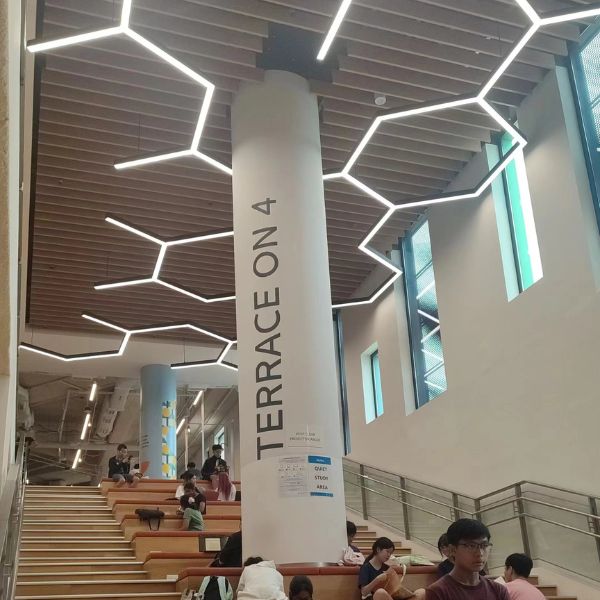
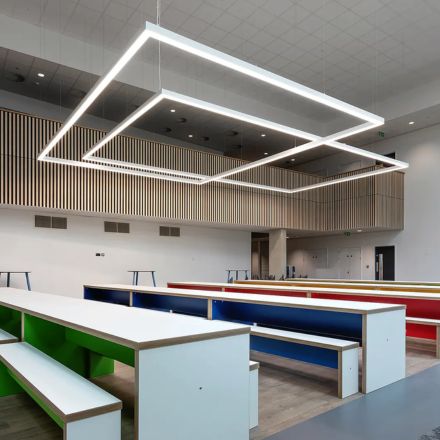
This collaborative process between the designer and manufacturer ensures that the lighting is not just an add-on but an integral part of the architectural narrative. These tailored solutions can range from custom-length linear fixtures to large-scale, sculptural pendant lights designed to be the centerpiece of a room.
Leading Architectural Lighting Manufacturers in the United States
The United States is home to a robust market of architectural lighting manufacturers, from long-standing giants to agile innovators. These companies are known for their quality, design, and technological advancements. When selecting a partner for your project, considering their industry reputation and specific strengths is essential.
In the following sections, we will highlight some of the leading established brands known for their reliability and craftsmanship, as well as innovative companies that are pushing the boundaries of lighting design and technology.
Established Brands with Strong Reputations
Several established brands in the United States have built strong reputations over decades of providing high-quality architectural lighting. These companies are trusted for their durability, consistent performance, and exceptional craftsmanship. They often have a comprehensive product portfolio serving a wide range of applications, from commercial to institutional projects.
Brands like Mark Architectural Lighting (part of Acuity Brands), Focal Point Lights, and Visa Lighting are synonymous with quality. They maintain a strong focus on engineering excellence and timeless design, ensuring their products meet stringent performance standards. For example, Visa Lighting has a heritage of over 100 years and is known for its durable luminaires made in the USA.
These manufacturers are often chosen for large-scale projects where reliability and a proven track record are paramount.
| Manufacturer | Key Strength | Common Applications |
|---|---|---|
| Mark Architectural Lighting | Performance-driven linear and recessed systems | Corporate offices, educational facilities |
| Visa Lighting | Durable, USA-made luminaires with a focus on healthcare | Healthcare, institutional, commercial spaces |
| Focal Point Lights | Vertically integrated manufacturing, Buy American Act compliance | Commercial buildings, public transit projects |
| Lutron | Global leader in smart lighting control systems | High-end residential, hospitality, commercial |
Innovative Companies Driving Industry Change
Alongside established names, a group of innovative companies is actively driving industry change. These manufacturers are pushing the envelope with new technologies, materials, and design concepts. They are often the first to embrace emerging design trends, from human-centric lighting to the integration of smart lighting systems.
Firms like ALW Lights and Finelite are leaders in this space. ALW, for instance, combines architectural luminaires with acoustic solutions, addressing two critical needs in modern open-plan offices. Finelite is known for its high-performance, sustainable lighting systems and its commitment to transparency through programs like Declare 2.0.
These companies are great partners for projects that require a forward-thinking approach. Their key innovations often include:
- Integrated Smart Lighting Systems: Offering wireless controls and tunable white technology for enhanced user experience.
- Acoustic Lighting: Combining sound-absorbing materials with light fixtures to improve the soundscape of a room.
- Modular and Customizable Platforms: Providing designers with flexible toolkits to create unique lighting configurations.
How Architectural Lighting Manufacturers Support Sustainable Design
Sustainability is a core consideration in modern architecture, and the architectural lighting industry plays a vital role in this movement. Manufacturers support sustainable design primarily by focusing on energy efficiency and adopting environmentally responsible practices. They provide sustainable lighting solutions that help reduce a building’s overall energy consumption and carbon footprint.
By developing highly efficient products and partnering on green building projects, these companies enable designers to meet stringent environmental standards without compromising on light quality or aesthetic appeal. Below, we’ll examine the specific technologies and partnerships that drive these sustainable efforts.
Energy-Efficient Lighting Technologies
The primary way manufacturers promote sustainability is through the development and promotion of energy-efficient lighting technologies. The widespread adoption of LED lighting has been the single most significant factor, as LEDs consume far less energy and have a much longer lifespan than traditional light sources.
Beyond just using LEDs, manufacturers engineer efficient lighting solutions by optimizing every component of the luminaire. This includes using advanced drivers, high-efficacy optics, and intelligent control systems. These elements work together to deliver the right amount of light precisely where it is needed, minimizing wasted energy.
Manufacturers are continually innovating to improve efficiency. Key technologies include:
- Advanced LED Chips: Offering more lumens per watt for greater energy savings.
- Integrated Controls: Occupancy sensors and daylight harvesting systems that automatically adjust light levels.
- Tunable White Systems: Allowing for adjustments in color temperature and intensity to align with human circadian rhythms, which can also contribute to energy savings.
Partnerships in Green Building and LEED Projects
Many architectural lighting manufacturers actively support green building initiatives by forming partnerships on projects seeking certifications like LEED (Leadership in Energy and Environmental Design) and WELL. Their role in these projects goes beyond simply supplying products; they act as expert consultants on sustainable lighting strategies.
These partnerships involve helping design teams select the right products to meet specific credit requirements related to energy performance, light quality, and material transparency. Manufacturers like Finelite, with its Declare 2.0 program, provide detailed documentation on product materials and manufacturing processes, which is crucial for certifications like the Living Building Challenge.
By engaging in these collaborations, manufacturers demonstrate their commitment to sustainable practices. They provide the necessary tools and expertise to help architects and designers create buildings that are not only aesthetically pleasing and functional but also environmentally responsible and healthy for occupants.
Conclusion
In conclusion, understanding the role of architectural lighting manufacturers is essential for designers seeking to enhance their projects. These manufacturers not only provide innovative and energy-efficient lighting solutions but also play a significant role in promoting sustainable design practices. By collaborating with established brands and exploring tailored offerings, designers can elevate their work while ensuring functionality and aesthetic appeal. As the industry continues to evolve, staying informed about the latest trends and products is crucial. If you’re ready to integrate exceptional lighting into your designs, get in touch with industry experts who can guide you through the selection process and help bring your vision to life.
Frequently Asked Questions
What factors should designers consider when choosing a manufacturer?
Designers should evaluate an architectural lighting manufacturer based on their product range, reputation for durability, and level of customer support. It’s also crucial to consider their ability to meet specific project requirements, including customization options, lead times, and compliance with standards like the Buy American Act.
Do architectural lighting manufacturers collaborate directly with architects and designers?
Yes, collaboration is a cornerstone of the architectural lighting industry. Manufacturers work closely with architects and lighting designers to understand project requirements and develop effective architectural lighting design solutions. These partnerships ensure the final installation aligns perfectly with the creative vision and technical needs of the project.
Are there manufacturers that offer tailored solutions for both residential and commercial projects?
Many architectural lighting manufacturers offer tailored solutions for a wide range of applications, including both high-end residential lighting and large-scale commercial lighting. They often have diverse product lines and customization capabilities to address the specific needs of each project, ensuring optimal architectural lighting solutions regardless of the setting.


Leave A Comment