
Key Highlights
- Architectural lighting is a strategic integration of light to enhance both the function and aesthetics of a space.
- The main types of lighting include ambient, task, and accent lighting, each serving a unique purpose in a comprehensive lighting design.
- Ambient lighting provides general illumination, creating a uniform and comfortable level of brightness throughout a room.
- Task lighting focuses on specific areas to improve visibility for activities, while accent lighting highlights architectural features.
- A successful lighting plan balances artificial light with natural light to improve mood, safety, and energy efficiency.
- Modern lighting design incorporates trends like smart controls and human-centric lighting for adaptive and sustainable solutions.
Introduction
Architectural lighting is a powerful tool in interior design, going far beyond simply illuminating a room. It is the art and science of integrating light into the built environment to achieve both functional and aesthetic goals. A well-executed lighting design can transform a space, influencing how you perceive its size, shape, and atmosphere. How does architectural lighting enhance interior spaces? By strategically layering different types of light, designers can create environments that are not only visually compelling but also perfectly suited for their intended purpose.
Overview of Architectural Lighting
At its core, architectural lighting is about the thoughtful making of spaces. It involves using artificial lighting to define and enhance the character of a room, improving everything from mood to productivity. This approach combines technical knowledge with creative vision to produce a cohesive experience.
Proper lighting design can make a small room feel larger or a vast space feel more intimate. How does lighting design influence the mood of a space? Through the careful selection and placement of fixtures, you can craft an environment that feels welcoming, energetic, or peaceful, directly impacting the well-being of its occupants. In the following sections, we will explore its objectives and how it differs from decorative lighting.
Key Objectives and Functions in Design
The primary goal of any lighting design is to ensure a space is functional and safe. This means providing enough light for people to see clearly, navigate easily, and perform specific activities without eye strain. A well-developed lighting plan considers how a space will be used and tailors the illumination to support those functions, from an office focused on productivity to a home centered on comfort.
Beyond pure function, architectural lighting plays a crucial role in highlighting architectural elements. It can draw attention to interesting textures, accent unique structural forms, or create a sense of depth and dimension. This strategic use of light helps tell the story of the space, reinforcing its design narrative and enhancing its overall aesthetic appeal. You can make a room feel bigger, warmer, or more dramatic simply through the application of light.
Ultimately, the objective is to achieve visual comfort. This involves creating a balanced and pleasing environment that avoids harsh glare or deep shadows. By skillfully integrating various light sources, a lighting plan can produce a space that not only looks beautiful but also feels comfortable and inviting, positively affecting the mood and well-being of everyone within it.
Distinguishing Architectural and Decorative Lighting
A common point of confusion is the difference between architectural and decorative lighting. What is the difference between decorative and functional architectural lighting? The key distinction lies in their primary purpose. Architectural lighting is fundamentally about function and integration; its fixtures are often concealed or designed to blend seamlessly into the building’s structure.
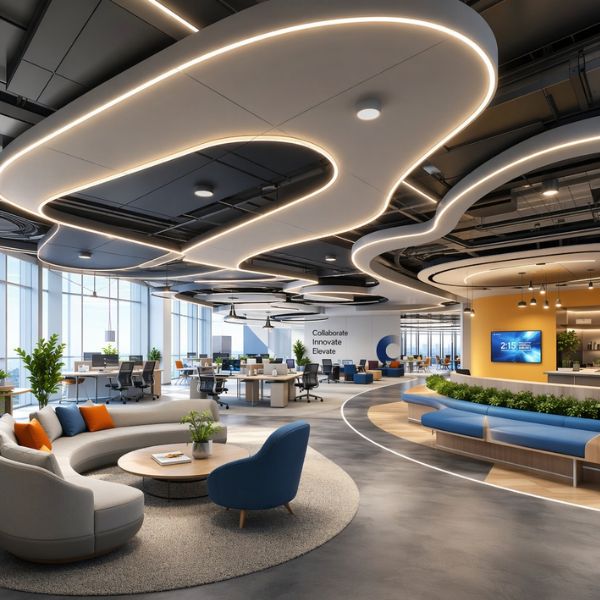
The goal of this type of lighting is to shape the perception of the space itself. Fixtures like recessed downlights, cove lighting, and track lights are chosen for the effect they produce—illuminating surfaces, highlighting features, and providing general light. The focus is on the light, not the light source. These lighting solutions are integral to the architecture, working to enhance the form and feel of the environment.
In contrast, decorative lighting is primarily about the fixture itself. Chandeliers, pendants, and ornate sconces are chosen for their aesthetic value and serve as ornamental elements within a room. While they do provide illumination, their main role is to add style and visual interest. A decorative fixture is an object meant to be seen, whereas an architectural fixture is often designed to disappear.
Main Types of Architectural Lighting
Understanding the main types of architectural lighting is essential for creating a layered and effective design. These categories are defined by their function and how they contribute to the overall illumination of a space. The three core types are ambient, task, and accent lighting. Each serves a distinct purpose, and when combined, they create a balanced and versatile lighting scheme.
What are the main types of architectural lighting and their purposes? Ambient lighting provides general lighting, task lighting focuses on specific activities, and accent lighting is used to highlight architectural features or decor. Mastering the interplay between these types allows you to build a dynamic and functional environment. Let’s look at each of these in more detail.
Ambient Lighting: Creating General Illumination
Ambient lighting is the foundation of any good lighting plan, providing the general illumination that fills a room. Its purpose is to create a uniform, comfortable level of brightness, allowing you to navigate a space safely and easily. This type of lighting is often soft and diffuse, minimizing harsh shadows and creating a welcoming atmosphere. It serves as the base layer upon which other lighting types are added.
How do ambient, accent, and task lighting differ in architectural design? While accent and task lighting are focused, ambient lighting is all about broad, even distribution of light. It sets the overall tone of the environment. Common sources of ambient lighting include ceiling-mounted fixtures like flush mounts or chandeliers, recessed downlights, and wall sconces that bounce light off walls and ceilings. The goal is to deliver consistent illumination across the entire area.
A well-designed ambient lighting scheme can also supplement natural light. Dimmable ceiling lights allow you to adjust the brightness throughout the day, maintaining a consistent light level as outdoor conditions change. This ensures the space remains comfortable and visually balanced from morning to night, reducing the need for more focused lights when general visibility is all that’s required.
Task Lighting: Enhancing Functionality and Safety
While ambient light fills a room, task lighting hones in on specific areas where detailed work occurs. This focused illumination is designed to improve visual comfort and precision for activities like reading, cooking, or grooming. By delivering a concentrated amount of light exactly where it’s needed, task lighting reduces eye strain and enhances safety, making it a critical component of any functional lighting design.
The key to effective task lighting is its position and intensity. It should be bright enough to prevent squinting but free of glare that can cause discomfort. This direct light creates more visual interest around the work area, ensuring that detailed tasks can be performed accurately and comfortably. Unlike the broad glow of ambient light, task lighting is directed and purposeful.
Popular examples of task lighting fixtures include:
- Desk lamps for reading and writing
- Under-cabinet lighting in kitchens for food preparation
- Floor lamps positioned next to a chair for hobbies
Each of these fixtures is chosen and placed to support a specific activity, making the space more functional and user-friendly.
Accent Lighting: Highlighting Architectural Features
Accent lighting is the dramatic layer of your lighting design, used to create a focal point and draw attention to specific objects or architectural features. It adds depth, contrast, and visual interest to a room. How does architectural lighting enhance interior spaces? Accent lighting is a prime example, turning a flat wall into a textured surface or making a piece of art the star of the show. This type of lighting is typically about three times brighter than the surrounding ambient light.
The purpose of accent lighting is to guide the eye and create a point of interest. By highlighting elements you want to emphasize—such as a fireplace, a textured wall, or a sculpture—you can add a touch of drama and sophistication to your design. This makes the space feel more curated and intentional. The strategic use of accent lights can transform an ordinary room into an engaging environment.
Common techniques and fixtures used for accent lighting include:
- Track lighting with adjustable heads aimed at artwork
- Wall-mounted picture lights to illuminate paintings
- Recessed spotlights directed at architectural features
These accent lights are carefully aimed to ensure the object or feature becomes the focal point, adding a layer of aesthetic appeal to the space.
Specialty Lighting Types (Cove, Uplighting, Linear, etc.)
Beyond the three main categories, several specialty lighting types offer unique ways to integrate light into architectural elements. These techniques often create indirect, soft lighting effects that enhance the atmosphere and design of a space. What are the main types of architectural lighting and their purposes? Specialty types like cove and uplighting focus on creating mood and highlighting structure.
Cove lighting, for instance, involves placing fixtures in a ledge or recess high on a wall, directing light up toward the ceiling. This creates a soft, diffuse glow that can make a room feel larger and more open. Similarly, uplighting uses fixtures placed on the floor or low on a wall to cast light upward, drawing attention to ceiling details or creating visual interest. Linear lighting, often using LED strips, offers clean lines of light that can be recessed into walls, ceilings, or floors, accentuating modern interiors.
These specialty lighting techniques are powerful design elements that can add sophistication and a custom feel to any project. They work by making the light itself a visible part of the design.
| Lighting Type | Description | Common Application |
|---|---|---|
| Cove Lighting | Light source is hidden in a ledge, directing light up to the ceiling. | Creating a peaceful, ambient glow in living rooms or meditation spaces. |
| Uplighting | Fixtures direct light upward to highlight structural features or ceilings. | Minimizing shadows and adding visual height to a room. |
| Linear Lighting | LED lights are used in straight lines, often recessed. | Accentuating modern interiors in office spaces or fitness studios. |
Exterior Architectural Lighting Techniques
Architectural lighting extends beyond the interior to shape the appearance of building exteriors. Outdoor lighting enhances a building’s presence after dark, improving both its aesthetic appeal and its safety. Strategic illumination can highlight a structure’s unique features, making it a landmark in its environment.
From dramatic façade lighting to functional pathway illumination, the right lighting solutions for the outdoors can transform a building’s nighttime identity. Can you give examples of architectural lighting techniques used for building exteriors? Techniques can range from grazing walls with light to accentuate texture to uplighting columns for a grand effect. The following sections will explore these techniques in greater detail.
Façade Lighting and Its Impact
Façade lighting is the technique of illuminating a building’s exterior to showcase its architectural details at night. This form of exterior lighting can dramatically transform a structure’s appearance, creating a powerful visual statement and enhancing its aesthetic appeal. A well-executed lighting design can turn a building into a piece of art, highlighting its form, texture, and character.
The impact of façade lighting goes beyond simple beautification. It reinforces a building’s identity and can make it a recognizable landmark in the urban landscape. By carefully selecting which architectural details to illuminate—such as columns, cornices, or surface materials—a lighting design can tell a story about the building’s history or purpose. For example, uplighting can create a sense of grandeur, while grazing light across a textured surface can reveal its intricate patterns.
Ultimately, the goal is to create a cohesive and visually pleasing nighttime presence. The lighting should complement the architecture, not overwhelm it. Can you give examples of architectural lighting techniques used for building exteriors? Wall washing provides a uniform blanket of light, grazing accentuates texture with shadows, and silhouetting highlights the shape of a building against a lit background. Each technique offers a different way to celebrate the building’s design.
Outdoor Pathways, Landscape, and Security Lighting
Beyond the façade, a comprehensive outdoor lighting plan addresses pathways, landscapes, and security. Pathway lighting is essential for safe navigation, guiding visitors along walkways, steps, and entrances. Low-level fixtures are typically used to illuminate the ground, preventing trips and falls while creating a welcoming ambiance.
Landscape lighting extends the design into the natural surroundings, highlighting trees, gardens, and other features. This not only enhances the property’s beauty but also helps to visually connect the building with its environment. It can create a resort-like feel and extend the usability of outdoor spaces into the evening hours. A thoughtful lighting plan considers both aesthetic and practical functions.
Security lighting is a critical component, designed to deter intruders and increase a sense of safety. While bright, motion-activated floodlights are a common solution, well-designed ambient and pathway lighting can also contribute to security by eliminating dark spots. Here are key considerations for outdoor lighting:
- Use energy-efficient LED fixtures to reduce long-term costs.
- Ensure fixtures are durable and rated for outdoor use.
- Position lights to minimize light pollution and glare for neighbors.
Key Factors for Selecting Architectural Lighting Types
Choosing the right architectural lighting involves more than just picking attractive fixtures. A successful lighting plan is built on a thorough understanding of the project’s goals, the space’s function, and the needs of its users. Each decision should be deliberate, contributing to a cohesive and effective design.
What factors should I consider when choosing architectural lighting types for a new project? Key considerations include the intended use of the space, energy efficiency requirements, and whether the application is for a residential or commercial setting. The following sections will provide a framework for making these important selections.
Project Goals, Usage, and User Needs
The first step in any lighting design is to define the project goals. What is the primary purpose of the space? An office requires lighting that promotes productivity and alertness, while a restaurant needs to create an intimate and relaxing atmosphere. Understanding the desired space feel is crucial, as this will guide decisions on everything from color temperature to light levels.
Next, consider the specific user needs. Who will be using the space, and what activities will they be performing? A kitchen used by a passionate home chef requires excellent task lighting over countertops, whereas a living room designed for entertaining may prioritize flexible, dimmable ambient light. The lighting design must support the intended usage to be truly successful.
Answering these questions will help create a clear brief for your lighting plan. For example, a library’s goal is to facilitate quiet reading, so the design would focus on high-quality, glare-free task lighting and comfortable ambient light levels. By putting user needs and project goals at the forefront, you ensure the lighting solution is not just beautiful, but also perfectly tailored to its purpose.
Energy Efficiency and Sustainability Considerations
In today’s world, energy efficiency and sustainability are no longer optional considerations in lighting design—they are essential. The choices you make have a direct impact on a building’s energy consumption and its overall environmental impact. Selecting energy-efficient lighting solutions is a responsible practice that also offers long-term cost savings.
Which architectural lighting types are most energy-efficient? LED (Light Emitting Diode) technology is the clear leader. LEDs consume significantly less electricity than traditional incandescent or fluorescent bulbs and have a much longer lifespan, which reduces waste. Combining LEDs with smart controls like dimmers and occupancy sensors further maximizes energy savings by ensuring artificial lighting is only used when and where it is needed.
To build a sustainable lighting design, consider the following:
- Prioritize natural light to reduce the need for artificial lighting during the day.
- Select fixtures with high lumens-per-watt (lm/W) ratings for maximum efficiency.
- Incorporate control systems that allow users to adjust light levels and automate shut-offs.
By integrating these strategies, you can create a lighting scheme that is both environmentally friendly and economically smart.
Residential vs. Commercial Applications
While the principles of good lighting design apply universally, their application often differs between residential and commercial spaces. Are there specific lighting types recommended for commercial vs. residential architecture? Yes, the recommendations vary based on factors like usage patterns, durability requirements, and desired atmosphere. Commercial spaces typically prioritize functionality, durability, and energy efficiency to meet building codes and operational demands.
In a residential space, the focus is more on creating a comfortable and personalized atmosphere. Lighting solutions are chosen to enhance the feeling of home, with an emphasis on warmth, flexibility, and aesthetic appeal. While task lighting is important in specific areas like kitchens and home offices, the overall scheme often leans toward creating a cozy and inviting environment.
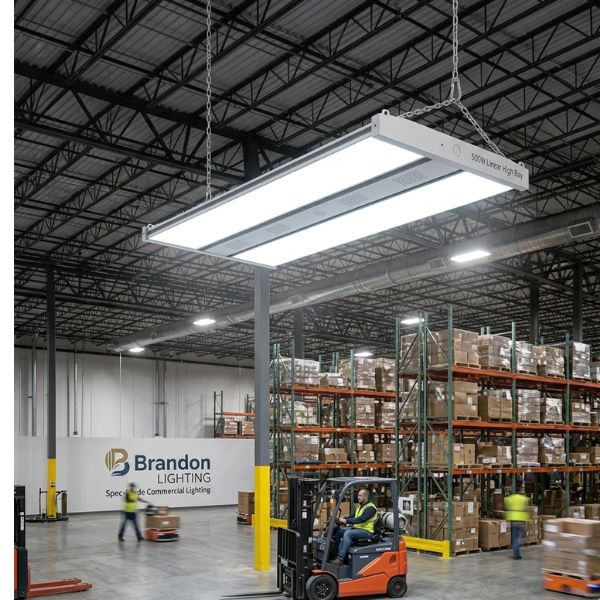
Commercial lighting, on the other hand, must support productivity and safety on a larger scale. Retail stores need lighting that showcases products effectively, while offices require illumination that minimizes eye strain and boosts alertness. The fixtures used in commercial spaces are also generally more robust to withstand constant use.
| Aspect | Residential Lighting | Commercial Lighting |
|---|---|---|
| Primary Goal | Comfort, ambiance, and personalization. | Functionality, efficiency, and safety. |
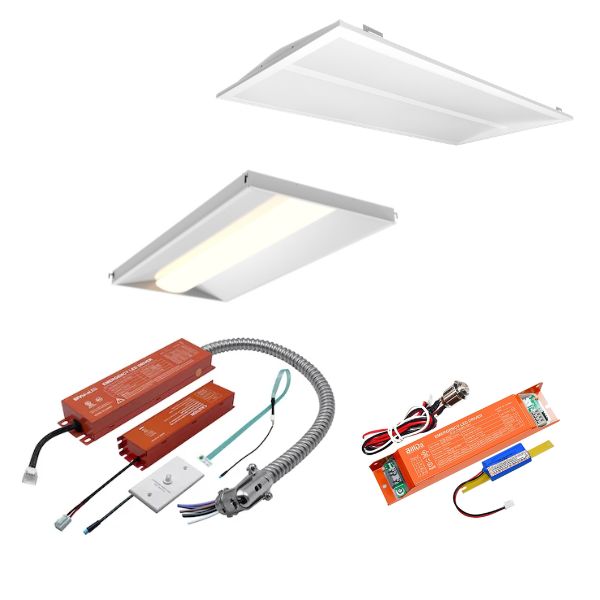
| Key Fixtures | Pendants, floor lamps, dimmable sconces. | Recessed troffers, track lighting, high-bay LEDs. |
| Atmosphere | Warm, inviting, and flexible. | Bright, alert, and consistent. |
| Durability | Standard durability for home use. | High durability for constant operation. |
Trends and Innovations in Architectural Lighting
The field of architectural lighting is constantly evolving, driven by technological advancements and a deeper understanding of light’s impact on human well-being. Today’s trends are moving toward more intelligent, responsive, and human-centered lighting solutions that offer unprecedented control and flexibility.
What are current trends in architectural lighting design? Innovations like smart lighting systems, human-centric lighting, and adaptive lighting are at the forefront. These technologies allow for dynamic lighting environments that can adjust to user needs, time of day, and even our biological rhythms. The next section explores these exciting developments.
Smart Controls, Human-Centric & Adaptive Lighting
Smart lighting systems have revolutionized lighting design by giving users complete control over their environment. Through apps or voice commands, you can adjust brightness, color temperature, and lighting scenes to match any mood or activity. This level of customization allows a single space to serve multiple functions, seamlessly transitioning from a bright workspace to a cozy relaxation area.
Taking this a step further is human-centric lighting, which aims to support our natural circadian rhythms. This approach uses tunable white light that changes in color temperature and intensity throughout the day, mimicking the natural progression of sunlight. Cooler, brighter light in the morning helps promote alertness, while warmer, dimmer light in the evening encourages relaxation and prepares the body for sleep, enhancing both well-being and visual comfort.
Adaptive lighting combines these concepts, using sensors and smart controls to automatically adjust illumination in real-time. The system can respond to the amount of natural daylight available, room occupancy, or specific user preferences. What are current trends in architectural lighting design? This move toward dynamic, intelligent systems that prioritize user health and energy efficiency is undoubtedly one of the most significant.
Conclusion
In summary, understanding the various types of architectural lighting is crucial for any designer aiming to create functional and aesthetically pleasing spaces. From ambient and task lighting to specialized techniques for both interior and exterior applications, each type serves a unique purpose that can significantly enhance user experience. Furthermore, considering energy efficiency, project goals, and emerging trends such as smart controls will ensure your designs remain relevant and sustainable. As you embark on your next project, remember that effective lighting design not only improves functionality but also elevates the overall atmosphere of a space. If you’re ready to take your lighting projects to the next level, get quotes tailored specifically for commercial applications today!


Leave A Comment