
Key Highlights
- Seamless continuous run lighting is replacing outdated troffers for a clean, modern aesthetic.
- Smart sensor integration is becoming standard for improved energy efficiency and code compliance.
- High-CRI LED lighting enhances the appearance of fresh produce, boosting the shopping experience.
- Field-adjustable fixtures offer flexibility in design and help reduce inventory for distributors.
- Modular, labor-saving designs are critical for lowering installation costs in commercial projects.
- Modern retail lighting focuses on creating an engaging environment, not just basic illumination.
Introduction
The grocery store landscape is undergoing a remarkable transformation. By 2026, the old model of basic illumination is giving way to a new focus on creating experiential retail environments. Grocers face the dual challenge of slashing high energy costs while elevating the aesthetic appeal of their stores to improve the customer shopping experience. Successful grocery store lighting is no longer just about brightness; it’s about building a brand identity and driving sales through strategic, intelligent illumination.
Grocery Retail Lighting Trends 2026: Elevating the Supermarket Experience
As we look toward 2026, the evolution of retail lighting is reshaping the modern supermarket. The focus is shifting from simply lighting up aisles to deploying sophisticated lighting solutions that create a superior shopping environment. This change involves more than just new fixtures; it’s a strategic move to enhance customer flow, highlight key products, and build a more inviting atmosphere.
This new approach strategically uses accent lighting to draw attention to high-margin areas while ensuring overall energy efficiency. The goal is to create a space where the lighting design actively contributes to a positive and memorable shopping journey. The following trends explore how this is achieved.
From Basic Illumination to Experiential Environments
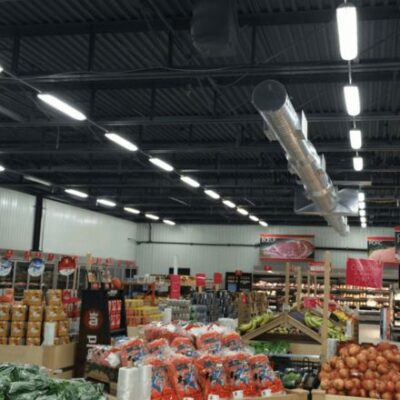
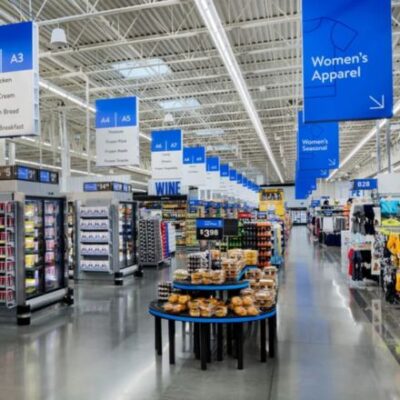
The days of uniform, uninspired lighting in grocery stores are over. Today’s lighting strategy is centered on creating an experience that guides and delights the customer. This means moving beyond simple ambient lighting and thinking about how light can define different zones within the store, from the bright, fresh feel of the produce section to the warmer, cozier vibe of a bakery or wine aisle.
Your lighting choices directly influence the customer’s mood and behavior. An effective lighting plan can make shoppers feel more comfortable, encouraging them to browse longer and explore different parts of the store. It transforms retail spaces from purely functional to engaging destinations. How does your current lighting contribute to the overall shopping experience?
By carefully planning your lighting solutions, you can create a journey for the customer. Light can be used to direct traffic, highlight promotions, and build a narrative throughout the store. This shift from basic illumination to an experiential approach is fundamental to modern retail success.
The Importance of Energy Efficiency and Aesthetics in Modern Grocery Stores
In the competitive grocery market, balancing operational costs with customer appeal is crucial. Modern LED lighting solutions address both these needs perfectly. On one hand, high energy costs are a major concern for any large retail space. On the other, aesthetics play a critical role in attracting and retaining customers.
The right lighting achieves a powerful synergy between these two goals. It creates a visual hierarchy that guides shoppers and makes products look their best, all while delivering significant energy savings. This dual benefit is why upgrading your lighting is one of the highest-return investments you can make. The advantages are clear and immediate:
- Substantial reduction in monthly energy bills.
- Enhanced product presentation that can lead to increased sales.
- Creation of a modern, clean, and inviting shopping atmosphere.
By embracing energy efficiency, you not only lower your operating expenses but also contribute to sustainability goals. This combination of fiscal responsibility and enhanced store aesthetics is a winning formula for any modern grocery store looking to thrive.
Architectural Linear Lighting: The Rise of Seamless Continuous Run Lighting
One of the most impactful grocery retail lighting trends for 2026 is the dominance of architectural linear lighting. Grocers are rapidly moving away from traditional, clunky troffer fixtures and embracing sleek, seamless continuous runs. This trend is about creating long, unbroken lines of light that provide clean aesthetics and superior illumination.
These modern lighting fixtures deliver exceptional uniformity down aisles and across open areas, eliminating the dark spots often created by older systems. The result is a brighter, more open-feeling space that enhances the overall retail lighting design and improves the customer experience from the moment they walk in.
Replacing Traditional Troffers with Shadowless, Linkable Linear Fixtures
The shift to continuous run lighting represents a major technological and aesthetic leap forward. Traditional lighting solutions like fluorescent troffers create a dated look with visible gaps between fixtures, resulting in uneven light and distracting shadows. New architectural linear systems, however, are designed to be linkable, forming a single, continuous light source.
This “shadowless” joining technology is a key feature, ensuring that the connection points between fixtures are invisible. This creates a flawless, high-end look that was previously difficult to achieve in a grocery environment. The transition away from old light sources to modern linear fixtures is transforming retail spaces.
For importers and contractors, the difference is stark. Continuous runs offer a superior solution that meets the modern demands of retail clients.
| Feature | Traditional Troffers | Architectural Continuous Runs |
|---|---|---|
| Aesthetics | Bulky, visible gaps and seams | Sleek, seamless, and architecturally clean |
| Light Quality | Uneven illumination, potential dark spots | High uniformity, shadowless, and consistent |
| Installation | Individual fixture wiring and placement | Linkable sections with plug-and-play connectors |
| Design | Dated and purely functional | Modern, flexible, and design-integrated |
Benefits for Grocery Environments: Uniformity, Flexibility, and Design Impact
Adopting continuous run lighting brings a host of benefits perfectly suited for grocery retail environments. The most immediate advantage is light uniformity. Long, uninterrupted lines of light ensure that aisles are evenly lit from top to bottom, improving product visibility on every shelf and eliminating shadowy corners.
This technology also offers incredible design flexibility. The linear form can be used to create long runs, geometric patterns, or follow the unique architectural lines of a store, reinforcing brand identity. This flexibility also extends to the supply chain. Many modern fixtures offer field-adjustable CCT and wattage, allowing you to customize the light on-site. This feature helps importers and wholesalers reduce SKUs while meeting diverse project needs.
Ultimately, the impact is both functional and aesthetic. Key benefits include:
- Creating a strong visual hierarchy that guides shoppers through the store.
- Enhancing the perception of cleanliness and spaciousness.
- Providing a modern design element that elevates the entire retail space.
Smart Sensor Integration: Intelligence for Next-Gen Supermarkets
The next major trend is the integration of intelligence directly into lighting fixtures. Smart sensor integration is no longer a niche feature but a core component of next-gen supermarket design. By building sensors into the fixtures, you can create a responsive lighting system that adapts to the store’s real-time needs, dramatically reducing energy consumption.
This move toward smart lighting systems is driven by the need to lower operational costs and meet increasingly stringent energy codes. These intelligent control systems minimize waste by ensuring light is only used when and where it’s needed, lessening the store’s environmental impact and improving its bottom line.
Advanced PIR and Microwave Sensors in Aisle & Back-of-House Applications
The technology behind smart lighting has become highly sophisticated. Advanced sensor technologies, including Passive Infrared (PIR) and microwave sensors, are now being integrated directly into linear lighting fixtures. PIR sensors are excellent at detecting occupancy based on heat and movement, making them ideal for areas with clear lines of sight.
In practical terms, this means lights in a low-traffic aisle or a back-of-house storage area can dim to a minimum level when unoccupied and instantly return to full brightness when an employee or customer enters. Microwave sensors offer an advantage in spaces with obstructions, as they can detect motion through objects like shelving units.
Combining these smart lighting sensors within the control systems of the fixtures provides a powerful tool for energy savings. This automated functionality ensures that no energy is wasted lighting empty retail spaces, leading to significant cost reductions without compromising safety or convenience.
Meeting Energy Codes & Improving Sustainability with Automated Controls
For electrical contractors and distributors in North America, navigating strict energy codes is a major part of any project. Automated controls are now essential for compliance in many regions. Integrating sensors and controls directly into the lighting system is the most effective way to meet these requirements.
These systems go beyond simple on/off switching. They can be programmed for daylight harvesting, dimming lights near windows when there is sufficient natural light, and time-of-day scheduling. This level of control ensures optimal energy use at all times, making it easier to achieve sustainability targets.
By specifying fixtures with integrated smart controls, you deliver a future-proof solution to your clients. The key benefits are compelling:
- Guaranteed compliance with local and national energy codes.
- Maximized energy savings and a faster return on investment.
- A significant step toward a more sustainable, green building operation.
Conclusion
In conclusion, the grocery retail lighting trends of 2026 reflect a significant evolution towards more innovative and efficient solutions. By embracing seamless architectural linear lighting, integrating smart sensors, and focusing on high color rendering indices, grocery stores are not just enhancing their aesthetics but also optimizing energy use. These advancements, coupled with modular and labor-saving designs, provide a competitive edge in a demanding market. As you adapt to these trends, consider how Brandon Lighting can support your projects with cutting-edge products and outstanding service. For tailored solutions that meet your needs, don’t hesitate to get quotes from us today.
Frequently Asked Questions
How does high-CRI lighting impact the fresh food displays in supermarkets?
High-CRI lighting makes colors appear more vibrant and true to life. For fresh food displays like produce and meat, this is critical. A high color rendering index enhances the natural reds, greens, and yellows, making the products look fresher and more appealing. This improved product visibility can directly influence purchasing decisions and elevate the perceived quality of the food.
What are the advantages of modular labor-saving lighting designs for grocery store projects?
Modular, labor-saving lighting designs feature plug-and-play connectors and linkable sections that dramatically speed up installation. For electrical contractors, this means fewer hours on-site, which directly translates to lower labor costs. This efficiency helps projects stay on budget and on schedule, providing a significant competitive advantage in the commercial lighting market.
Why is DLC Premium certification important for commercial grocery lighting in the United States?
DLC Premium certification signifies the highest level of energy efficiency and quality for LED lighting. For grocery stores, choosing DLC Premium fixtures ensures maximum energy savings and makes the project eligible for the largest utility rebates available. This certification provides peace of mind that you are installing a top-tier, sustainable lighting solution.

Leave A Comment