
Key Highlights
- Discover the main types of lighting fixtures for drop ceilings, including troffers and LED panels. You can also use fluorescent diffusers with your drop ceiling lights, as these accessories are designed to fit most standard light fixtures in grid ceilings and can enhance brightness while reducing glare.Learn why energy efficiency is crucial for lowering operational costs in commercial spaces.Understand how to match drop ceiling lights to standard grid ceilings (2×2 and 2×4).
- Learn why energy efficiency is crucial for lowering operational costs in commercial spaces.
- Understand how to match drop ceiling lights to standard grid ceilings (2×2 and 2×4).
- Explore key performance metrics like color temperature to ensure optimal illumination.
- See how partnering with a flexible manufacturer overcomes common sourcing challenges.
- Gain insight into compliance standards that ensure safety and quality for your projects.
Introduction
Choosing the right drop ceiling lighting is essential for transforming any commercial space. Proper illumination not only enhances aesthetics but also boosts productivity and ensures safety. For electrical contractors and brand owners, sourcing these fixtures goes beyond finding a product; it’s about finding a strategic partner. This guide will walk you through the key considerations for selecting high-performance, energy-efficient lighting that meets the precise demands of your projects and elevates your offerings in the market.
Addressing Common Sourcing Challenges with Drop Ceiling Lights
Sourcing drop ceiling lights for commercial projects often comes with significant hurdles. Navigating supply chain disruptions and rigid inventory from traditional stockists can lead to costly delays and compromises. You might find that the exact lighting fixtures you need are unavailable or don’t meet specific project requirements.
These issues are compounded by customization barriers that prevent you from delivering tailored solutions. Overcoming these challenges requires a shift from conventional purchasing to a partnership with a flexible manufacturer. Let’s explore how this approach directly solves these common pain points.
How Supply Chain Delays Impact Commercial Lighting Projects
Unexpected supply chain delays can bring a commercial lighting project to a grinding halt. When you rely on off-the-shelf inventory, a sudden stockout of a specific drop ceiling fixture can derail your timeline, disappoint your clients, and increase costs. This forces you to either wait indefinitely or settle for a less-than-ideal substitute.
This unpredictability is a major risk for electrical contractors and brand owners who need to deliver projects on schedule and within budget. The inability to secure the right lighting fixtures at the right time jeopardizes your reputation and profitability.
By partnering with a manufacturer that operates on a made-to-order model, you gain control over your procurement process. Instead of being subject to the whims of existing stock, you work with managed lead times and production schedules tailored to your project’s needs, ensuring greater reliability from engineering to final installation.
Overcoming Rigid Stock Limitations and Customization Barriers
Standard distributors often offer a fixed catalog, leaving little room for project-specific adjustments. This “what-you-see-is-what-you-get” model is a significant barrier when commercial applications demand unique specifications. You may need a specific lumen output, color temperature, or control integration that isn’t available in standard drop ceiling light fixtures.
A flexible manufacturing partner removes these limitations. As a “Solution Factory,” we empower you to build the exact fixture your project requires. This level of customization allows you to meet precise client needs and win more competitive bids.
Our low-MOQ (Minimum Order Quantity) approach means you can get custom solutions even for smaller or boutique projects. Key customizable features include:
- Selectable Wattage and CCT (Correlated Color Temperature)
- Specific driver and chip configurations for value engineering
- Integration with advanced control systems
Types of Drop Ceiling Lights for Commercial Spaces
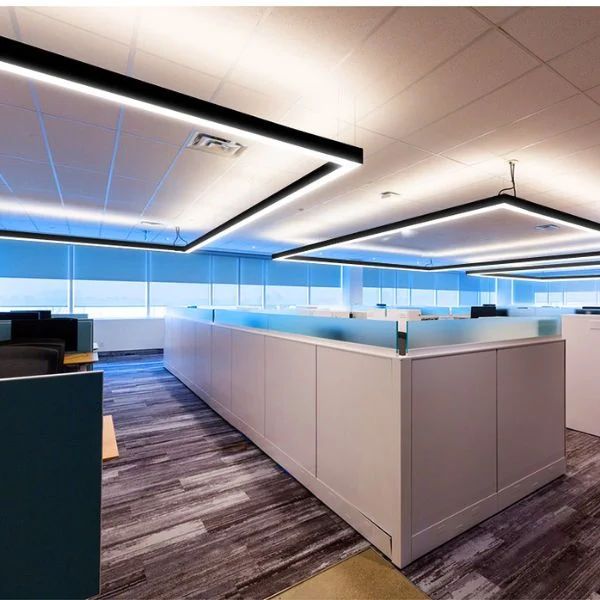
Selecting the best type of light for your drop ceiling depends on the application, aesthetic goals, and performance needs. The most common choices for commercial spaces like offices, healthcare facilities, and retail stores are LED drop ceiling lights designed to fit seamlessly into grid ceilings. These fixtures provide clean, even illumination while offering significant energy savings.
The primary options include troffer lights, LED panels, and recessed fixtures. Each offers distinct features and benefits tailored to different environments. Understanding these types will help you specify the ideal solution for any project.
Troffer Fixtures: Features, Benefits, and Applications
Troffer lights are classic rectangular fixtures designed to fit into a suspended grid ceiling system. Modern LED troffers have replaced outdated fluorescent models, offering superior energy efficiency, longer lifespans, and better light quality. They are a workhorse solution for general illumination in a wide range of commercial spaces.
These fixtures often feature architectural designs, such as a center basket, which helps diffuse light and reduce glare. This makes them ideal for environments where visual comfort is a priority, including offices, schools, and retail stores. Their design ensures broad, uniform light distribution across large areas.
Key benefits of LED troffer lights include:
- Reduced Glare: Center basket and volumetric designs create soft, comfortable lighting.
- High Efficiency: Delivers powerful illumination with lower energy consumption compared to traditional lights.
- Easy Installation: Designed to drop directly into standard 2×2 or 2×4 grid ceilings.
LED Panels: Efficacy, Size Options, and Design Flexibility
LED panel lights are known for their slim profile and clean, modern aesthetic. These fixtures provide edge-to-edge illumination, creating a smooth and uniform light surface that eliminates the dark spots common with older technologies. Their high efficacy (lumens per watt) makes them an excellent choice for achieving significant energy savings.
Available in standard sizes like 2×2 and 2×4, LED panels are designed to replace a standard ceiling tile, making installation quick and simple. A key advantage is their design flexibility, with many models offering selectable wattage and color temperature. This allows you to switch between warm white, neutral, or cool white settings on-site to match the room’s function.
Here’s a look at typical selectable options for an LED panel light:
| Feature | Option 1 | Option 2 | Option 3 |
|---|---|---|---|
| Wattage | 20W | 30W | 40W |
| CCT | 3500K (Warm White) | 4000K (Neutral White) | 5000K (Cool White) |
Recessed Lighting Solutions for Grid Ceilings
Recessed lighting, including can lights and ultra-thin wafer lights, offers a minimalist and sophisticated look for modern drop ceiling lighting designs. These fixtures are installed flush with the ceiling tile, creating a clean, uncluttered appearance. They are perfect for adding accent, task, or ambient lighting without a visible fixture.
Are recessed lights suitable for drop ceilings? Absolutely. They are an excellent choice for highlighting specific areas, such as reception desks, conference tables, or architectural features. Because they are integrated into the grid ceiling, they provide a high-end feel while maintaining a low profile. Their long lifespan also means less maintenance.
Key features of recessed lighting for grid ceilings include:
- Sleek, Modern Look: Fixtures sit flush with the ceiling for a seamless appearance.
- Directional Lighting: Ideal for creating focal points and layered lighting designs.
Selecting the Right Light Fixture for Grid-Based Drop Ceilings
Once you’ve decided on the types of drop ceiling light fixtures for your project, the next step is ensuring they integrate perfectly with the existing ceiling structure. A standard drop ceiling grid provides a straightforward framework for installation, but matching the fixture to the grid dimensions and choosing the right mounting style is critical for a seamless fit.
This involves confirming fixture sizes, understanding the differences between mounting options, and selecting the right color temperature for the space. Proper planning at this stage prevents installation headaches and ensures the final result is both functional and visually appealing.
Matching Fixture Designs to Ceiling Tile Sizes (2×2, 2×4)
Most commercial drop ceilings use standard grid layouts with openings for 2×2 foot or 2×4 foot tiles. To simplify installation, LED drop ceiling lights are manufactured in these exact dimensions. A 2×2 LED panel is designed to replace a 2×2 ceiling tile, dropping directly into the grid frame for a perfect fit.
This standardization streamlines the specification and installation process for electrical contractors. There is no need for custom cutting or modifying the ceiling grid, which saves time and labor on the job site. In addition to standard panels, grid frame lights offer an architectural alternative by integrating lighting directly into the T-bar grid itself.
Key considerations for matching fixtures to tile sizes include:
- Standard Sizes: Always confirm the grid dimensions (2×2 or 2×4) before ordering fixtures.
- Fixture Type: Choose between full panels that replace a tile or linear fixtures that integrate with the grid.
Mounting Considerations: Surface, Recessed, and Retrofit Options
Beyond standard recessed mounting, where fixtures like troffers and panels lay flush within the grid, other options are available. A surface mount kit can be used to attach a panel light to the surface of a ceiling, which is useful in areas without a grid or where more clearance is needed.
Recessed lighting, such as can or wafer lights, requires cutting a hole in the ceiling tile for installation. While this adds a step, it offers a clean, architectural look that many modern designs demand. This is a popular way to integrate spot or accent lighting into a general illumination plan.
Retrofit kits offer a path to upgrade existing fluorescent troffers to LED technology without replacing the entire fixture housing. These kits typically include LED strips and a new driver, providing a cost-effective way to boost energy efficiency and light quality.
- Recessed Mount: The standard for grid ceilings, where the fixture sits level with the grid.
- Surface Mount: Allows panel lights to be installed on ceilings without a grid system.
- Retrofit: Upgrades old fluorescent fixtures to LED with minimal replacement.
Performance Metrics for Drop Ceiling Lights
To specify the best drop ceiling lights, you need to look beyond size and shape. Performance metrics are what separate a high-quality fixture from a standard one. These technical specifications determine the light’s efficiency, quality, and suitability for different commercial applications.
Understanding metrics like Lumens per Watt (LPW), Color Rendering Index (CRI), and compliance standards is crucial. This knowledge empowers you to choose LED ceiling lights that not only save energy but also create a comfortable and productive environment, reducing issues like eye strain.
Understanding LPW (Lumens Per Watt), CRI, and UGR
LPW, or Lumens per Watt, is the primary measure of a light fixture’s energy efficiency. It tells you how much light (lumens) is produced for every watt of energy consumed. A higher LPW means greater energy savings, making it a critical metric for choosing energy-efficient drop ceiling lights.
CRI (Color Rendering Index) measures how accurately a light source reveals the true colors of objects. A CRI of 80 or higher is standard for most commercial applications, ensuring that colors appear natural and vibrant. For retail or design-focused spaces, a CRI of 90+ may be necessary.
UGR (Unified Glare Rating) is a measure of visual discomfort caused by glare from light fixtures. While not always listed on standard spec sheets, a low UGR is essential for comfortable lighting in offices and schools. A knowledgeable manufacturing partner can help you select fixtures engineered to minimize glare.
- LPW: Higher is better for energy efficiency and lower operational costs.
- CRI: 80+ is good for general use; 90+ is ideal for color-critical tasks.
Compliance Standards: UL, DLC, ETL, Title 24, and Energy Star
Compliance certifications are non-negotiable proof of a fixture’s safety, quality, and performance. When sourcing high-quality drop ceiling lights, look for these marks to ensure you are getting a reliable product. Certifications like UL and ETL indicate that a fixture has been tested and meets North American safety standards.
For energy efficiency, DLC (DesignLights Consortium) certification is key. DLC-listed products are eligible for energy rebates in many regions, providing an excellent return on investment. Energy Star is another well-known mark for efficient products. For projects in California, compliance with Title 24 is mandatory.
Working with a manufacturer that provides fully compliant products gives you peace of mind and simplifies project approvals. For government projects, TAA (Trade Agreements Act) compliance may also be required.
- Safety & Quality: UL and ETL listings confirm adherence to safety standards.
- Efficiency & Rebates: DLC certification ensures high performance and eligibility for utility rebates.
Value Engineering Your Commercial Lighting Solution
Value engineering is a strategic process used to optimize a lighting solution for a specific budget without compromising essential performance. It’s not about choosing the cheapest option; it’s about making intelligent trade-offs in components to achieve the best balance of cost, quality, and longevity.
This approach is particularly effective in commercial spaces where budgets are tight, but performance standards are high. By partnering with a flexible manufacturer, you can fine-tune your lighting fixtures to meet project goals, balancing upfront costs with long-term warranty and maintenance considerations.
Optimizing Chip and Driver Choices for Project Budgets
The core components of any LED panel light are the LED chips and the driver. The choice of these components directly impacts the fixture’s performance, lifespan, and cost. For high-end projects, premium chips and drivers deliver maximum efficiency and longevity. However, for projects with tighter budgets, alternative components can provide reliable performance at a more accessible price point.
A manufacturing partner can guide you through these choices. By adjusting the chip and driver combination, you can value engineer a solution that meets your target lumen output and energy costs. This collaborative process ensures you don’t over-specify and overpay for performance you don’t need.
Here’s a simplified example of how component choices affect project budgets:
| Component Tier | Performance | Cost Impact | Best For |
|---|---|---|---|
| Premium Tier | Highest LPW, 10-year warranty | Higher | High-specification projects |
| Mid-Tier (Standard) | Strong LPW, 5-7 year warranty | Moderate | General commercial use |
| Economy Tier | Good LPW, 5-year warranty | Lower | Budget-conscious projects |
Balancing Longevity, Warranty, and Maintenance Requirements
A fixture’s upfront cost is only part of the equation. True value comes from balancing that cost with its expected longevity and warranty. High-quality LED ceiling lights are designed for long lifespans, often rated for 50,000 hours or more. This longevity translates directly to less maintenance and fewer replacements over the building’s life.
When value engineering, consider the warranty period. A 5-year warranty is standard, while premium fixtures may offer 7 or 10 years. A longer warranty provides greater peace of mind and protects your investment, but may come at a higher initial cost. The goal is to find the sweet spot that aligns with the client’s expectations and budget.
By discussing these factors with your manufacturing partner, you can make an informed decision that optimizes the total cost of ownership.
- Long-Term Value: A longer lifespan reduces maintenance and replacement costs.
- Informed Choices: Balance warranty length with the project’s budget and long-term goals.
Conclusion
In summary, sourcing drop ceiling lights for commercial spaces requires a strategic approach to overcome common challenges such as supply chain delays and customization barriers. By exploring various fixture types, performance metrics, and compliance standards, you can make informed decisions that meet your project’s unique needs. Moreover, emphasizing value engineering helps optimize budget constraints while ensuring reliability and longevity. As you navigate this process, remember that collaboration with manufacturing partners like Brandon Lighting can provide tailored solutions and expert support. If you’re ready to discuss your specific requirements or explore our product offerings, get in touch today!
Frequently Asked Questions
How do I choose energy-efficient drop ceiling lights for my office or business?
To choose energy-efficient drop ceiling lights, prioritize LED ceiling lights with a high LPW (Lumens per Watt) rating. Look for fixtures with DLC certification, as this guarantees performance and makes them eligible for energy rebates. Using models with selectable wattage also allows you to fine-tune energy use on-site, further reducing energy costs.
Are decorative and custom panel options available for drop ceiling grids?
Yes, decorative options are available beyond standard flat panels. Architectural troffers, grid frame lights that integrate into the T-bars, and even custom panel shapes can create a unique, modern drop ceiling lighting design. A manufacturing partner can help you develop custom solutions tailored to your project’s aesthetic goals.
What are the installation steps for LED drop ceiling light panels?
First, turn off power at the circuit breaker. Remove the existing ceiling tile. Place the new LED drop ceiling light panel into the grid. Connect the fixture’s wiring to the power source according to code. Secure the fixture with safety clips and restore power. Always consult a qualified electrician for safe installation.
Enhancing Collaboration Between Manufacturers and B2B Partners
We enhance collaboration by acting as a true manufacturing partner. We provide B2B partners—OEMs, contractors, and wholesalers—with direct access to our engineering team, offer low MOQ customization for diverse commercial applications, and ensure compliance with standards like the Trade Agreements Act (TAA) for government projects.
Engineering-to-Site Support: Technical Files, Photometrics, and Compliance
Our engineering-to-site support gives you the technical files needed to win bids and execute projects flawlessly. We provide detailed spec sheets, IES photometrics for lighting design software, and all necessary UL, ETL, and DLC compliance documentation for your specified LED drop ceiling lights, ensuring a smooth approval process.
Low MOQ Custom Orders and Flexible Lead Times for North American Projects
We specialize in supporting North American projects with flexible, made-to-order manufacturing. Our low MOQ (Minimum Order Quantity) for custom orders means you can get tailored solutions for any project size. This approach provides more reliable lead times compared to relying on fluctuating pre-existing stock for your commercial applications.
Where to Source High-Quality LED Drop Ceiling Lights Online
When sourcing online, partner directly with a manufacturer or a highly reputable distributor who can prove vendor reliability. Look for providers that offer full compliance documentation (UL, DLC), detailed technical specifications, and direct access to engineering support. This ensures you receive high-quality, certified products for your commercial spaces.
Evaluating Vendor Reliability and After-Sales Support
Evaluate vendor reliability by checking for comprehensive warranties (5+ years), transparent compliance certifications (UL, DLC), and accessible after-sales support. A reliable partner in commercial lighting will provide direct access to technical experts who can assist with installation questions and troubleshooting, offering you peace of mind long after the sale.
Why Partner with a Solution Factory Like Brandon Lighting
Partnering with a “Solution Factory” like Brandon Lighting means you get more than just a drop ceiling light; you get a customized solution. We offer value engineering, low MOQ customization, and direct access to our engineers, helping you win project quotes by delivering precisely what your client needs.
Conversion-Ready Next Steps: Requesting a Technical Consultation or Product Catalog
Ready to start your next project with confidence? Request a technical consultation to discuss your specific drop ceiling lighting needs with our engineers. You can also request our product catalog to explore the full range of customizable solutions we offer, ensuring you have the right partner for total peace of mind.
Streamlining Specification and Procurement for Electrical Contractors
We streamline specification and procurement for electrical contractors by providing customizable LED drop ceiling lights and direct access to engineering data. This allows you to create precise submittals, get faster approvals, and order fixtures built for the exact grid ceilings on your job site, saving time and eliminating guesswork.
Inviting B2B Inquiries for Project Quotes and Customization Dialogues
We welcome B2B inquiries from brand owners, contractors, and wholesalers. Contact us to discuss project quotes or start a customization dialogue for your next commercial space. Our team is ready to help you engineer the perfect LED ceiling lights to meet your performance targets and budget.

Leave A Comment