
Key Highlights
- UL certification ensures your LED lighting products meet stringent safety standards, including adherence to the CRI scale.
- Understanding the difference between UL Listed and UL Recognized helps you choose the right products.
- Using UL certified LED lights is crucial for complying with US building codes and passing inspections.
- If you are looking to buy UL certified LED strip lights online, you can find a wide selection on reputable sites such as Amazon, Home Depot, and specialized lighting suppliers.
- Always check product listings for relevant UL certification details to ensure you meet necessary safety standards and building codes.
- Understanding the difference between UL Listed and UL Recognized helps you choose the right products.
- Using UL certified LED lights is crucial for complying with US building codes and passing inspections.
- Proper certification protects you from project liability and potential insurance claim denials.
- Many UL certified lighting fixtures are eligible for utility rebates, saving you money.
- Verifying the UL mark and file number on lighting products confirms their authenticity and safety.
Introduction
When you’re managing a lighting project, every detail matters, including aspects like cabinet lighting. From brightness to color temperature, the choices you make impact the final result. But one of the most critical factors is safety and compliance. This is where UL certification for LED lighting comes in. Choosing UL certified LED lights not only ensures your lighting products are safe but also protects your project’s integrity, budget, and reputation. While there can be a price difference between UL certified and non-certified LED bulbs, with UL certified bulbs typically costing slightly more due to rigorous testing and compliance processes, the investment is often justified by the increased safety and reliability they offer. This guide will walk you through everything you need to know about this essential safety standard.
Understanding UL Certification for LED Lights
So, what does it mean when an LED light is UL certified? It means the product has been tested by an independent third party, Underwriters Laboratories (UL), and meets nationally recognized safety and sustainability standards, including consistent color temperature ratings. The certification process is rigorous, examining products for potential risks like fire and electric shock.
This UL lighting listing gives you confidence that the lighting products you install are built for safety and reliability. It’s a seal of approval that industry professionals and inspectors look for. We’ll explore what UL is and the key terms you need to know.
What Is UL and Why Does It Matter in Lighting?
UL, or Underwriters Laboratories, is a global safety science company that has been setting safety standards for over a century. When it comes to LED lighting, UL’s role is to test and certify that products are safe for public use. This isn’t just a suggestion; it’s a benchmark for quality and safety that provides an even better picture of a white light’s ability to render color and is respected across the United States.
Why is this so important for your projects? Electrical products, including LED lighting fixtures that feature higher color temperatures, can pose significant risks if they are not manufactured correctly. UL testing helps ensure that the lighting you install won’t overheat, cause short circuits, or create fire hazards.
For electrical contractors and building owners, specifying UL certified LED lighting and the original driver is a non-negotiable part of due diligence. It demonstrates a commitment to safety, minimizes risk, and ensures that an installation will be durable and dependable for years to come.
Key Terms Explained: UL Certified, UL Listed, and UL Recognized
The terms surrounding UL certification can sometimes be confusing. While “UL Certified” is often used as a general term, there are important distinctions between “UL Listed” and “UL Recognized.” Understanding these differences is key to selecting the correct components for your project.
UL Listed applies to standalone products that are ready for installation. Think of a complete light fixture or a roll of LED strip lights. These products have been tested as a whole and are certified safe for their intended use. UL Recognized, on the other hand, applies to components that are part of a larger system, like a power supply or an individual LED driver. These components are certified for use within a UL Listed product but not as standalone items.
Here’s a simple breakdown to help you differentiate:
| Term | Scope | Application Example |
|---|---|---|
| UL Listed | Standalone Product | A complete, ready-to-install LED light fixture or LED strip. |
| UL Recognized | Component Part | A power supply or LED driver intended for use inside a larger lighting system. |
Importance of UL Certified LED Lights in US Building Codes
Why should you choose UL certified LED lights for your projects? The simplest answer is compliance, including factors like the density of the LED chips. Most municipal and local building codes across the US require that all electrical equipment installed in a building be certified by a Nationally Recognized Testing Laboratory (NRTL), with UL being the most prominent.
Using non-certified products can result in failed inspections, costly project delays, and orders to remove and replace the unapproved lighting. By choosing UL certified LED lighting from the start, you ensure a smoother process and avoid these expensive headaches, as well as access to customer support. Now, let’s look closer at how this ties into national standards and your project’s liability.
Compliance with National Electrical Safety Standards
Meeting national electrical safety standards is fundamental for any construction or renovation project, regardless of the design scheme. The National Electrical Code (NEC) provides the benchmark for safe electrical design, installation, and inspection to protect people and property from electrical hazards. UL standards are developed to align closely with the requirements set forth in the NEC.
When you install UL certified LED lighting, you are effectively ensuring your project adheres to these critical safety standards. The UL mark signifies that the product has undergone rigorous testing for a wide range of potential failures, from electrical shorts to fire risks. This alignment is what gives electrical inspectors the confidence to approve your installation.
Ultimately, compliance isn’t just about passing an inspection. It’s about guaranteeing the long-term safety and operational integrity of the building. Adhering to these building codes and safety standards is a core responsibility for contractors and property owners alike.
Impact on Insurance and Project Liability
Beyond building codes, your choice of lighting products has a direct impact on insurance and liability. In the unfortunate event of a fire or electrical incident, an investigation will follow. If it’s discovered that non-certified lighting products were the cause of a low brightness of a light source, the consequences can be severe.
Insurance providers often have clauses that can limit or deny coverage for damages caused by uncertified electrical components. This could leave you, the contractor, or the building owner financially responsible for repairs, damages, and any related legal fees. Protecting your projects and profits means mitigating risk at every turn.
Using UL certified LED lighting helps you:
-
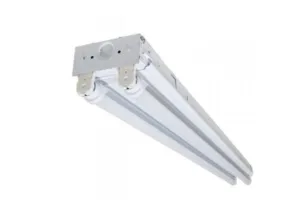
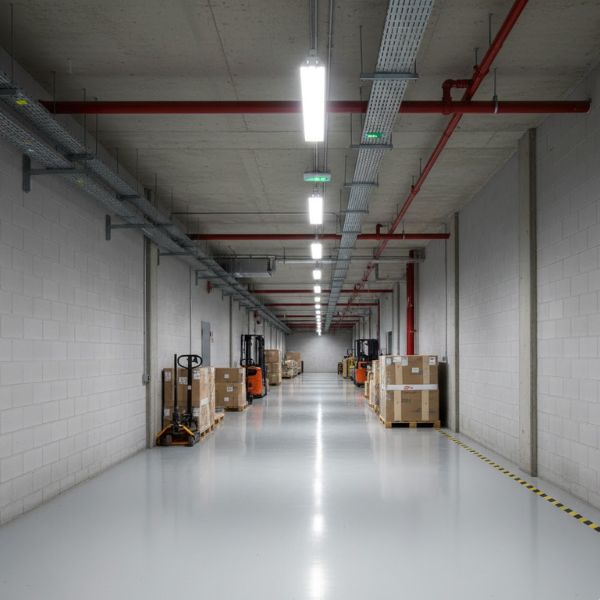
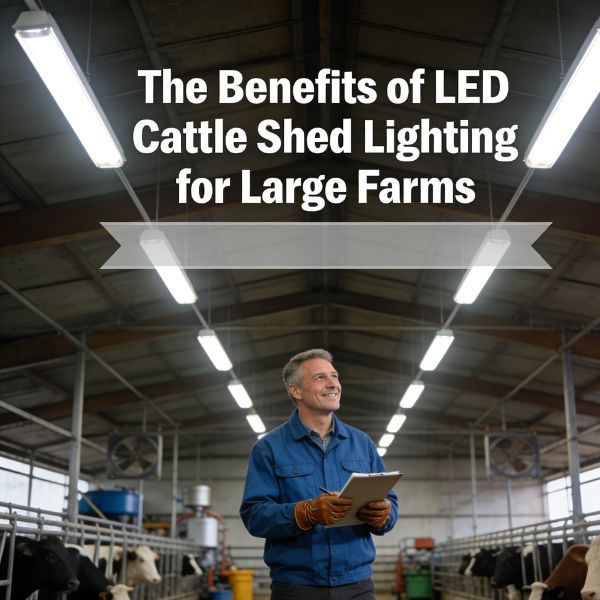
LED Strip Fixtures: Versatile and high-performance solutions for general area lighting, perfect for warehouses, storage units, and utility applications.
-
LED Vapor Tight Fixtures: UL Listed and IP66-rated for harsh environments, providing superior protection against dust, moisture, and impact in parking garages and food processing plants.
-
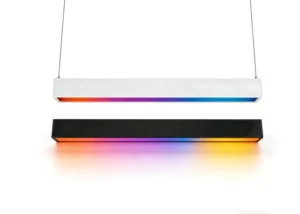
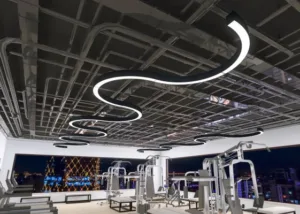
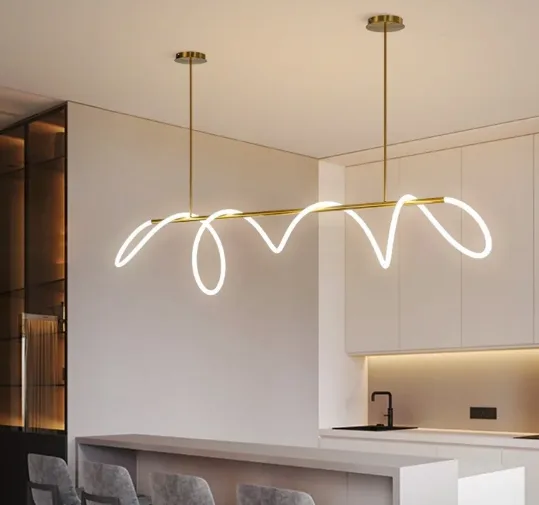
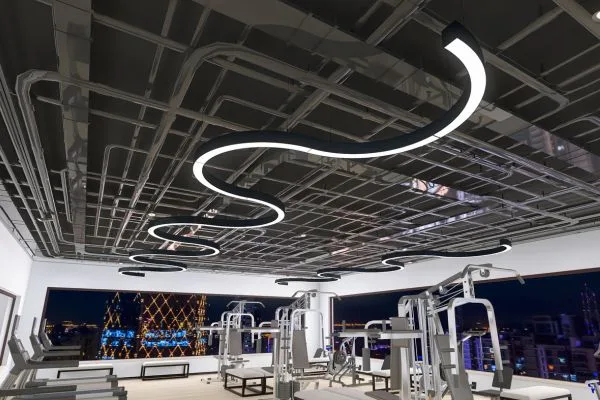
Linear Architectural Lighting: Sleek, high-spec designs that combine aesthetics with functionality to create modern, continuous lines of light in high-end offices and retail spaces.
-
LED Troffers & Flat Panels: Precision-engineered for recessed ceiling grids, offering uniform, glare-free illumination for hospitals, schools, and commercial offices.
-
Stairwell & Security Fixtures: Specialized lighting equipped with integrated motion sensors and emergency battery backups (BBU) to ensure safety and code compliance in egress paths.
Choosing UL Listed LED Lights for Your Projects
Now that you understand the importance of UL certification, the next step is choosing the right UL Listed LED lights for your work. This involves more than just looking for a logo. You need to know what types of products are available and how to verify that the UL mark is authentic.
Making an informed decision ensures you get the performance and safety you expect. When sourcing your LED lighting solutions, always look for suppliers who are transparent about their UL listings and can provide the necessary documentation for adequate lighting. Let’s explore the types of certified lights available and how to spot a genuine UL certification.
Types of UL Listed LED Lights Available for Commercial and Residential Use
A wide variety of UL Listed LED lights with frosted lens options are available to meet the demands of nearly any project, from commercial spaces to residential homes. For instance, our professional-grade line of 24V LED strips is UL-Listed, providing added trust and reliability for specification-grade linear lighting solutions.
These versatile lighting products can be used in numerous applications. You can find UL Listed options designed for different needs, ensuring both safety and aesthetic appeal. Common types include:
- Commercial LED Strips: Ideal for accent, task, or cove lighting in offices, retail, and restaurants.
- Water-Resistant and Waterproof Strips: UL Listed for outdoor, landscape, or bathroom applications where moisture is a concern.
- High-Density LED Lights: Perfect for creating dotless, continuous lines of light in fixtures.
- Specific Application Lighting: Products designed for under-cabinet kitchen lighting, dining room ambiance, and more.
Advancements in LED technology mean you don’t have to compromise on quality for safety. Many UL Listed strip lights offer a high CRI (Color Rendering Index) of over 90, ensuring that colors appear natural and vibrant under the light.
How to Identify Authentic UL Certification on LED Products
Unfortunately, counterfeit UL marks exist in the market. Knowing how to identify authentic UL certification is crucial to avoid installing unsafe lighting products. A genuine UL mark is more than just the letters “UL” in a circle; it comes with specific, verifiable information, including a breakdown of the most common applications for safe installation.
When inspecting an LED lighting product, look for the complete UL mark. This mark should be present on the product itself, its packaging, or the spec sheet. For an added layer of assurance, you can verify the certification through UL’s public database.
Here’s what to look for:
- The UL Mark: The iconic “UL” in a circle, often accompanied by the word “Listed.”
- A File Number: This unique alphanumeric code (e.g., E123456) is assigned to the manufacturer.
- Product Identity: A description of the product type, such as “LED Luminaire” or “Power Supply.”
You can use the file number to look up the product on the UL Product iQ database. This free tool allows you to confirm that the certification is legitimate and applies to the specific product you are using.
Advantages of Using UL Certified LED Lights
Are UL certified LED lights safer than non-certified ones? Absolutely. The primary advantage of using UL certified lighting fixtures is the assurance of safety and reliability. This certification provides peace of mind that the product has been rigorously tested to perform as expected without posing a danger to people or property.
However, the benefits extend beyond just safety. Certified products often deliver superior performance and can even lead to financial savings through energy efficiency programs. We’ll examine how this certification translates to real-world advantages during installation and over the long term.
Safety, Reliability, and Performance in Installation
When you install a lighting fixture, especially one featuring higher density lighting, you need to be confident it won’t fail. UL’s rigorous testing process evaluates LED lighting for a variety of potential hazards, including overheating, electrical shock, and short circuits. This ensures that from the moment of installation, the product is fundamentally safe.
This focus on safety directly contributes to reliability. A UL Listed LED strip, for example, is tested to ensure it operates correctly with its designated power supply and that its components can withstand normal operational stress. This reduces the likelihood of premature failures, flickering, or other performance issues that can lead to costly callbacks and repairs.
For contractors, this means a smoother installation process and fewer headaches down the road. For building owners, it means a dependable lighting system that performs consistently. This reliability is a hallmark of quality that protects your investment and reputation.
Eligibility for Utility Rebates and Energy Incentive Programs
Another significant advantage of using certified lighting is eligibility for financial incentives. Many local utility companies offer rebates and incentive programs to encourage the adoption of energy-efficient lighting solutions. These programs are designed to lower the upfront cost of upgrading to modern LED technology.
However, to qualify for these programs, utilities almost always require that the lighting products be certified by a recognized body. While DLC (DesignLights Consortium) is a common requirement for energy efficiency, UL certification is often a prerequisite for safety, and many products carry both.
By choosing UL Listed LED lighting products, you can help your clients unlock substantial savings. These benefits include:
- Reduced Project Costs: Rebates can significantly lower the net cost of a lighting upgrade or new installation.
- Faster ROI: Lower initial costs, combined with the long-term energy savings of LED technology, accelerate the return on investment.
- Access to Better Products: Rebates can make higher-quality, specification-grade lighting products more affordable.
Conclusion
In conclusion, understanding UL Certified LED lights is crucial for electrical contractors, building owners, and lighting brands aiming to ensure safety, compliance, and efficiency in their projects. These certifications not only align with national electrical safety standards but also offer the added benefit of utility rebates that can enhance the profitability of your installations. By selecting UL Listed products, including options for LED dining room lighting, you are investing in quality, reliability, and peace of mind for your business. As you move forward, make informed choices that safeguard your projects and profits with UL Certified LED lights. For personalized solutions and bulk quotes, get in touch with Brandon Lighting today!
Frequently Asked Questions
Are UL certified LED lights safer than non-certified options?
Yes, absolutely. UL certified LED lights are significantly safer because they have been independently tested to meet stringent safety standards. This certification process for lighting fixtures checks for potential dangers like fire hazards and electrical shock, risks that are often present in unverified, non-certified LED lighting products that might not offer the highest density of safety features.
What are the benefits of choosing UL listed LED lights for commercial projects?
For commercial projects, UL listing ensures compliance with building codes, reduces liability, and guarantees a higher standard of safety. It also makes your project eligible for utility rebates tied to energy efficiency, lowering overall costs and improving the return on investment for high-quality lighting products like commercial LED strips. that deliver desirable color temperatures.
Can UL certified LED lights be used for outdoor applications?
Yes, but you must choose a product with the correct UL listing and IP rating for outdoor use. Look for UL Listed products specifically marked as “Suitable for Wet Locations” or “Waterproof.” This ensures the LED lighting is designed to withstand moisture and other environmental factors safely.










Leave A Comment