
Key Highlights
- The primary difference between high bay and low bay lighting is the ceiling height they are designed for.
- High bay lights are best for ceilings 20 to 45 feet or higher, found in spaces like warehouses and manufacturing plants.
- Low bay lights are suited for ceilings under 20 feet, common in retail stores, offices, and smaller storage areas.
- High bay lighting fixtures use narrow beam angles for focused light from greater heights.
- Low bay lighting fixtures have wider beam angles to provide even, dispersed light in smaller spaces.
- Choosing the correct bay lighting improves visibility, enhances safety, and boosts energy efficiency in commercial spaces.
Introduction
When it comes to illuminating large commercial spaces, not all light fixtures are created equal. The right commercial lighting is crucial for safety, productivity, and creating the right atmosphere. This is where bay lighting comes in, offering powerful solutions for expansive areas. Understanding the difference between high bay and low bay lights is the first step to ensuring your space is lit perfectly. This guide will walk you through everything you need to know about these essential lighting solutions.
Overview of Bay Lighting Solutions
Bay lighting systems are designed to provide uniform and consistent illumination across large areas, effectively eliminating dark spots. You’ll commonly find these lighting solutions in industrial spaces like warehouses and factories, as well as commercial spaces such as gyms and retail stores. Their main purpose is to enhance visibility and safety.
The two main types of bay lighting are high bay and low bay. Each is tailored for specific ceiling heights and applications, ensuring optimal performance. Let’s look closer at what defines these light fixtures and why they are so important.
Defining Low Bay and High Bay Lights
The fundamental difference between these two types of lighting comes down to the height of the ceiling. High bay lights are engineered for spaces with ceilings that are 20 to 45 feet high, or even taller. They deliver powerful, focused light to effectively illuminate large vertical and horizontal areas from a significant distance.
In contrast, low bay lights are the go-to choice for areas with ceilings below 20 feet. These fixtures are designed to provide even, widespread illumination without creating harsh glare or uncomfortable brightness at a closer range. This makes them ideal for spaces where people are working or shopping closer to the light source.
So, how can you tell which you need? Simply measure your ceiling height. If it’s over 20 feet, you will likely need high bay lights. If it’s under 20 feet, low bay lights are the appropriate choice. Different light bulbs and fixture designs are then used to match these specific requirements.
Why Bay Lighting Matters in Industrial and Commercial Spaces
Choosing the correct bay lighting is more than just about brightness; it’s a critical decision that impacts safety, productivity, and your bottom line. Proper lighting in large industrial and commercial spaces ensures that employees and customers can see clearly, reducing the risk of accidents and improving overall efficiency.
In environments like factories or warehouses, poor lighting can lead to costly mistakes or injuries. For retail spaces, the right illumination can make products more appealing and create a welcoming atmosphere for shoppers. Proper lighting is essential for a functional and safe environment.
Furthermore, selecting the right fixture directly impacts energy efficiency. Modern LED bay lights offer significant advantages over traditional lighting, including:
- Reduced energy consumption: LED technology uses less energy to produce the same or better light output.
- Longer lifespan: Durable construction means fewer replacements and lower maintenance costs.
- Improved visibility: Consistent, glare-free light reduces eye strain and helps eliminate dark spots.
Characteristics of High Bay Lights
High bay lights are the workhorses of lighting for large, open areas with high ceilings. These powerful lighting fixtures are specifically designed to cast bright, focused light from heights of 20 to 45 feet or more. The goal of high bay lighting fixtures is to illuminate the floor and any objects below effectively, despite the great distance.
Their design ensures that light is not wasted by spreading out too much before it reaches its target. Now, we’ll explore the specific features that make them suitable for these environments, from their mounting heights to their light distribution patterns.
Typical Mounting Heights and Placement
As their name suggests, high bay lights are intended for high mounting heights. The optimal placement for these lighting fixtures is on ceilings that are between 20 and 45 feet tall. This ceiling height range is common in large spaces like warehouses, manufacturing facilities, and gymnasiums. Mounting them at this height allows the light to spread effectively over a large area.
The placement of each fixture is also crucial. For even illumination and to avoid dark spots, high bay lights must be spaced correctly. The exact spacing depends on the specific beam angle of the fixture, the lumen output, and the layout of the space, such as the location of tall shelving or machinery.
Proper installation at these heights ensures that the light reaches the ground level with sufficient intensity. Using high bay fixtures in spaces with lower ceilings would result in overly bright spots and intense glare, creating an uncomfortable and potentially unsafe environment.
Light Distribution and Beam Angle Features
The light distribution of high bay lighting is a key characteristic that sets it apart. These fixtures are designed to produce a more concentrated, direct light. This is achieved through narrower beam angles, typically ranging from 60 to 120 degrees. This focused approach ensures that the maximum amount of light travels downward to the floor and work surfaces.
This narrow light distribution is essential for efficiency. In a tall space, a wide beam angle would cause light to spread out and reflect off the upper parts of the walls, wasting energy and reducing the brightness at ground level. The focused beam minimizes this waste and prevents shadows, especially in areas with tall equipment or shelving.
To further optimize light distribution, high bay fixtures are often equipped with reflectors or lenses. These accessories help direct the light even more precisely, reducing glare and ensuring the illumination is placed exactly where it is needed most.
Common Applications for High Bay Lights
Given their powerful output and focused illumination, high bay fixtures are the ideal solution for any large area with high ceilings. You will find them used extensively across various industrial and commercial spaces where bright, consistent light is a necessity for safety and productivity.
These fixtures excel in environments that are both tall and expansive. The ability to light a large area from a single point high above makes them highly efficient and effective. They ensure that even the biggest spaces are free from hazardous dark spots.
Some of the most common applications for high bay lights include:
- Warehouses and distribution centers: To illuminate tall shelving aisles and loading docks.
- Manufacturing facilities: For clear visibility over machinery and assembly lines.
- Gymnasiums and event arenas: To provide bright, uniform light for sporting events and large gatherings.


Characteristics of Low Bay Lights
Low bay lighting is designed for spaces where the ceiling height is lower, typically under 20 feet. Unlike their high bay counterparts, low bay fixtures are engineered to disperse light over a wider area to provide even, glare-free illumination at closer range. This makes them perfect for environments like retail stores, workshops, and offices.
The main goal of low bay lighting is to create a comfortable and well-lit space without the intense, focused hotspots that a high bay light would produce at a lower height. We will now look at the specific features of these lighting fixtures.
Appropriate Ceiling Heights and Environments
Low bay lights are specifically intended for use in areas with lower ceilings, defined as any height under 20 feet. This ceiling height is typical in many commercial and public spaces, such as retail stores, office buildings, and classrooms. Using low bay fixtures in these settings ensures proper light levels without overwhelming the space.
These environments require a different approach to lighting compared to a vast warehouse. The light source is much closer to the people and objects below, so the illumination needs to be softer and more distributed. This prevents harsh glare and shadows, which can cause eye strain and create an unpleasant atmosphere.
For example, a grocery store with a 15-foot ceiling would benefit greatly from low bay lights to evenly illuminate aisles and products. Similarly, garages and smaller storage areas require the broad, even coverage that low bay fixtures provide for safe and easy navigation.
Light Output and Dispersion Patterns
The light output and distribution pattern of low bay lights are tailored for shorter distances. These fixtures typically have a moderate lumen output, as extreme brightness is not necessary when the fixture is closer to the floor. The key is to provide sufficient light without creating uncomfortable glare.
To achieve this, low bay lights feature wider beam angles, often 120 degrees or more. This wider dispersion pattern allows the light to spread out more horizontally, ensuring uniform and even coverage across the entire area. This is why you see less defined shadows and a softer overall illumination in spaces using low bay fixtures.
This wider light distribution is crucial in places like retail stores or offices. A broad, even wash of light makes the space feel more open and inviting, enhances product visibility, and creates a comfortable working environment. The design often includes diffusers that soften the light output for a more pleasant effect.
Common Uses for Low Bay Fixtures
Low bay fixtures are versatile lighting solutions that can be found in a wide array of commercial spaces with ceilings under 20 feet. Their ability to provide well-distributed, glare-free light makes them the preferred choice for areas where tasks are performed at close range or where creating a pleasant atmosphere is important.
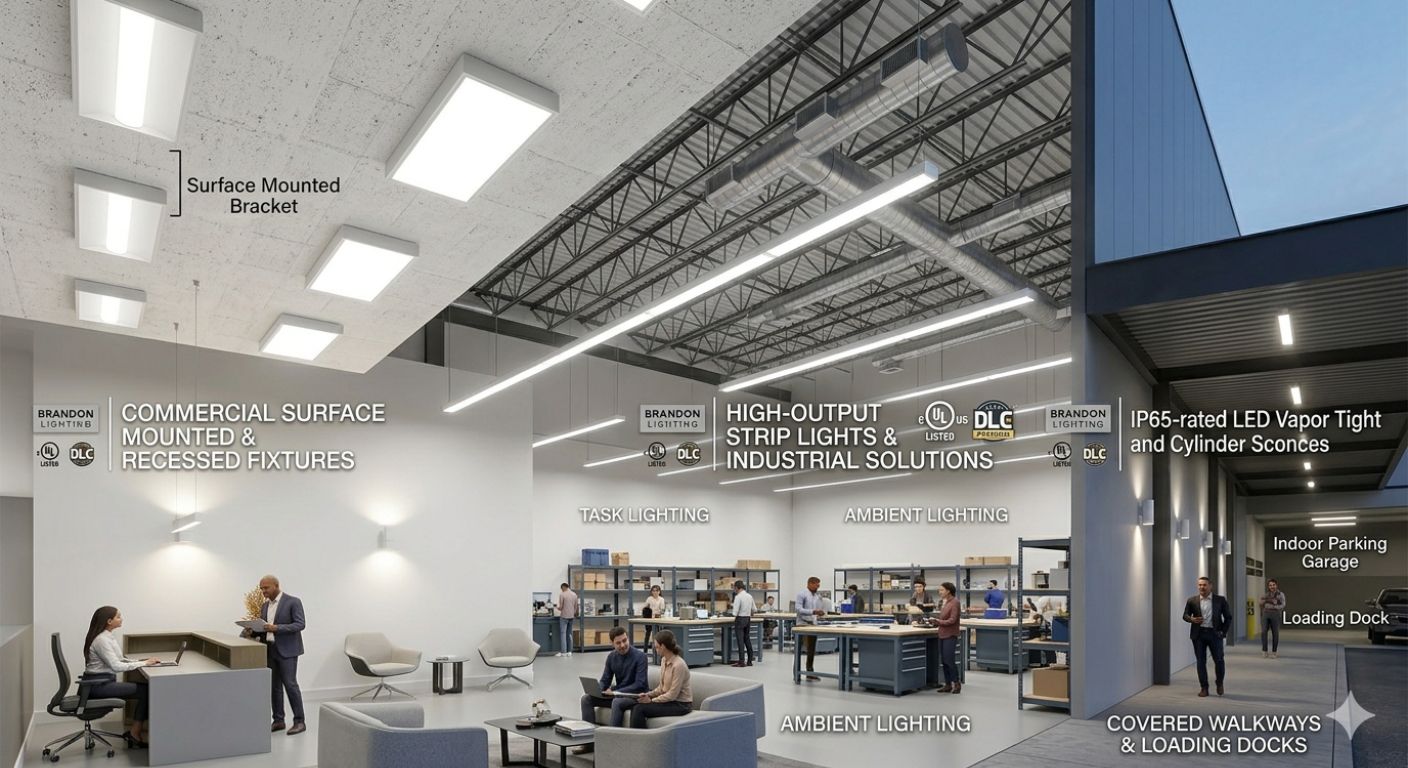
From a bustling retail store to a quiet workshop, low bay lighting ensures that every corner of the room is adequately lit. Fixture types can vary greatly and include strip lights, troffers, panel lights, and wraparound fixtures, allowing for flexible installation in almost any setting.
Common applications for low bay fixtures include:
- Retail stores and grocery stores: To create an inviting atmosphere and highlight products effectively.
- Workshops and garages: For detailed task lighting with minimal shadows.
- Offices and classrooms: To provide comfortable, even lighting that reduces eye strain.
Comparing High Bay vs. Low Bay Lighting
When deciding between high bay and low bay lighting, the most important factor is your ceiling height. However, other characteristics like brightness, energy efficiency, and fixture design also play a significant role. High bay lighting is built for power and distance, while low bay lighting focuses on broad, even coverage at closer range.
Understanding these key differences will help you select the right lighting solutions for your specific needs, ensuring both optimal performance and cost-effectiveness. Let’s break down how these two types of fixtures compare across several important metrics.
Differences in Brightness, Wattage, and Lumen Output
One of the most significant distinctions between high bay and low bay lights is their brightness, which is measured in lumens. High bay lights require a much higher lumen output to compensate for the greater distance from the ceiling to the floor. This high brightness ensures that the ground level is adequately illuminated. Consequently, they also have a higher wattage and energy consumption.
Low bay lights, being closer to the ground, do not need to be as powerful. They have a more moderate lumen output, which is sufficient to light up smaller areas without causing glare. This results in lower wattage requirements and less energy consumption per fixture.
The table below summarizes these key differences:
| Feature | High Bay Lights | Low Bay Lights |
|---|---|---|
| Ceiling Height | 20-45+ feet | Below 20 feet |
| Lumen Output | High | Moderate |
| Beam Angle | Narrow (60°-120°) | Wide (120°+) |
| Application | Warehouses, factories, gyms | Retail, offices, garages |
| Wattage | Higher | Lower |
Energy Efficiency and Cost Considerations
When comparing costs, high bay lights typically have a higher upfront price. This is due to their more complex optics, higher wattage, and the need to produce a very high lumen output to be effective in tall spaces. However, modern LED high bay lights are incredibly energy-efficient compared to traditional metal halide fixtures, leading to significant long-term energy savings.
Low bay lights are generally more cost-effective upfront. Their simpler design and lower wattage requirements make them less expensive to purchase and install. Since they consume less energy, their operational energy costs are also lower, making them an economical choice for spaces with lower ceilings.
Key cost and energy efficiency points include:
- Installation Cost: High bay fixtures can be more expensive to install due to the heights involved.
- Energy Consumption: Low bay lights consume less energy per fixture due to lower wattage.
- Long-Term Savings: Upgrading to LED for either type of bay lighting provides substantial cost savings on energy bills and maintenance over time.
Fixture Design and Mounting Options
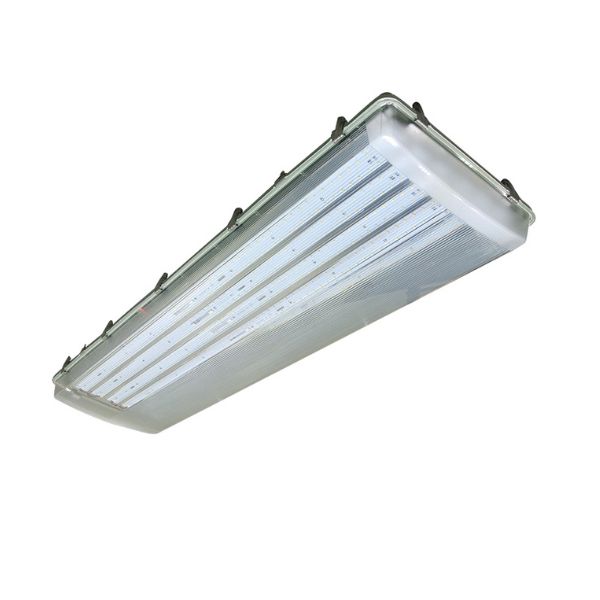
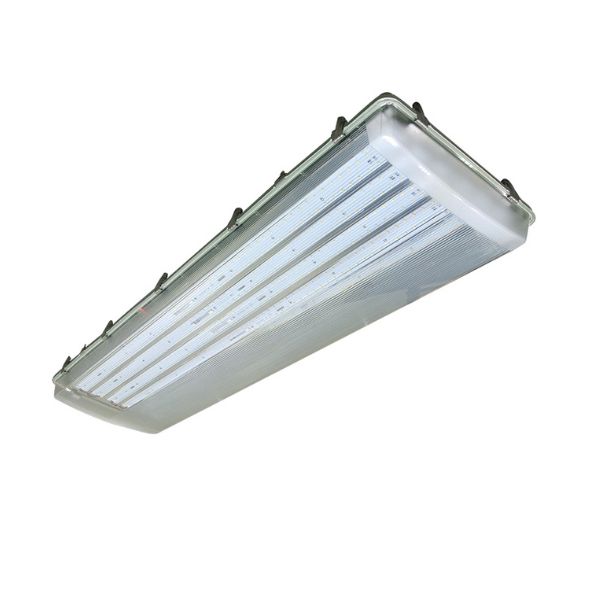
The design of high bay and low bay lighting fixtures is tailored to their specific functions. High bay lights often come in round (UFO) or linear shapes and are built to be durable. They frequently incorporate reflectors or lenses to help direct the light downward and minimize glare from a distance.
Low bay fixtures, on the other hand, are often more compact and may feature diffusers to create a softer, more dispersed light. Common low bay designs include panel lights, troffers, and strip lights. These designs integrate seamlessly into finished ceilings, like those found in offices or retail stores.
The mounting options also differ based on the fixture design and application:
- High Bay Mounting: Typically mounted using hooks, chains, or pendants from the ceiling structure.
- Low Bay Mounting: Can be surface mount, pendant mount, or recessed into the ceiling.
- Retrofit Kits: Both types are available with retrofit kits to upgrade existing fixtures to more efficient LED technology.
Selecting the Right Bay Lighting for Your Space
Making the right choice in bay lighting is crucial for achieving optimal performance and ensuring your commercial space is safe and efficient. The decision hinges on a few key factors, and getting it right from the start will save you time and money while providing the best possible illumination.
By carefully evaluating your environment and lighting needs, you can confidently select the fixtures that will work best for you. Let’s look at the primary considerations to guide your decision-making process.
Key Factors to Consider: Ceiling Height, Application, and Budget
When selecting bay lights, your decision should be guided by a few critical factors. First and foremost is your ceiling height, as this is the primary determinant of whether you need high bay or low bay lighting fixtures. Getting this right is the most important step.
Next, consider the specific application of the space. A warehouse with tall shelves has very different lighting needs than a retail store aiming for an inviting atmosphere. The tasks being performed and the desired mood will influence the type of light distribution and brightness you require.
Finally, your budget will play a role in your choice. While LED lighting has a higher upfront cost than some traditional options, the long-term energy savings and reduced maintenance make it a smart investment. Key factors include:
- Ceiling Height: Over 20 feet requires high bay; under 20 feet requires low bay.
- Application: Consider the tasks performed and the desired ambiance in the space.
- Budget: Balance upfront costs with long-term energy and maintenance savings.
Can You Substitute High Bay for Low Bay (or vice versa)?
It is generally not a good idea to substitute one type of bay lighting for the other. Using high bay lighting in a low-ceiling area will create intense hotspots, excessive glare, and an unevenly lit environment. The powerful, focused beam is simply too strong for a short distance and will make the space uncomfortable and potentially unsafe.
Conversely, installing low bay lighting in a high-ceiling space is also ineffective. The light from a low bay fixture is designed to spread out widely and does not have the intensity to reach the floor from a great height. This would result in poor illumination, dark spots, and insufficient light levels for any tasks being performed.
In short, each type of lighting is specifically engineered for its intended ceiling height. Swapping them will lead to poor performance, wasted energy, and an improperly lit space. If you need to upgrade existing fixtures, it’s best to use LED retrofit kits designed for your specific bay type.
Conclusion
In conclusion, understanding the differences between low bay and high bay lights is crucial for optimizing lighting solutions in various industrial and commercial settings. By considering factors such as ceiling height, specific applications, and cost efficiency, you can make informed decisions that enhance visibility and energy savings in your space. Whether you’re illuminating a warehouse, gym, or retail area, selecting the right lighting fixture plays a significant role in creating an efficient and inviting environment. If you have any questions or need guidance on choosing the best lighting for your needs, feel free to get in touch with us!
Brandon’s LED Bay and Low Bay Product line
When it’s time to invest in high-quality lighting, Brandon’s offers a comprehensive selection of LED high bay and low bay lights designed to meet the demands of any commercial or industrial space. Our products are rigorously tested to ensure they deliver exceptional performance, durability, and energy efficiency. From powerful UFO high bay lights for your warehouse to sleek panel lights for your retail store, we have the right lighting fixtures for your project.
We are committed to providing not only quality products but also expert support. Our team is here to help you choose the perfect high bay or low bay lights for your needs, ensuring you achieve optimal illumination and maximum energy savings. Explore our product line to find the reliable and cost-effective LED lighting solutions your space deserves.
Frequently Asked Questions
How do I determine the best lighting for my warehouse or retail space?
To determine the best lighting, first measure your ceiling height. If it is over 20 feet, like in most warehouses, you will need high bay lights. For commercial spaces like retail stores with ceilings under 20 feet, low bay lights are the appropriate choice for even illumination.
Are there significant operational cost differences between high bay and low bay lights?
Yes, high bay lights typically have higher operational costs due to their greater wattage and energy consumption needed to light large, tall spaces. Low bay lights use less energy, resulting in lower electricity bills. Upgrading to LED for either type leads to significant long-term cost savings.
What should I know about retrofitting existing fixtures with LED bay lights?
Retrofitting is a cost-effective way to upgrade to LED lighting without replacing entire fixtures. Retrofit kits are available for both high and low bay lights, allowing you to improve energy efficiency and light quality. Ensure the kit is compatible with your existing housing for a successful installation.






Leave A Comment