
Key Highlights
- LED architectural lighting integrates lighting systems into building design to improve functionality and aesthetics.
- Modern LED technology offers high efficiency, design flexibility, and precise control for both indoor and outdoor projects.
- Key benefits include significant energy savings, long-term cost reduction, and improved environmental sustainability.
- Choosing the right fixtures involves considering factors like color temperature, brightness, and IP ratings for durability.
- Types of architectural lights range from linear and strip lights for cove lighting to customizable options like RGBW for dynamic effects.
- Proper installation avoids common mistakes like glare, incorrect voltage, and poor heat management, ensuring optimal performance.
Introduction
Architectural lighting is a crucial element of modern design, merging functionality with aesthetics to shape how we experience a space. It goes far beyond simple illumination, playing a key role in highlighting a building’s features and creating a specific ambiance. In today’s projects, LED lighting has become the technology of choice for architects and designers. This is because it provides unparalleled efficiency, versatility, and control. A thoughtful lighting design can transform a building, and understanding the principles of architectural lighting is the first step toward achieving exceptional results.
Understanding LED Architectural Lighting in Modern Design
LED architectural lighting is the practice of integrating light into the very structure of a building to enhance its form, texture, and overall experience. It’s a blend of art and science, where lighting solutions are used not just to light up a space but to define it. This approach can make a building appear more inviting, guide people through its interior, or create a dramatic visual statement.
In modern design, the focus is on creating layered lighting that balances performance with visual appeal. This involves combining different LED systems to serve various functions, from general illumination to accentuating specific details. We will now explore what LED architectural lighting is, its role in aesthetics, and its common applications.
Definition and Key Characteristics of LED Architectural Lighting
So, what exactly is LED architectural lighting? It is the use of integrated lighting systems to improve a building’s visibility, highlight its design elements, and enhance the overall spatial experience. Rather than just placing fixtures, this approach uses light to emphasize surfaces, reveal textures, and define the geometry of a structure. It transforms lighting from a utility into a fundamental component of the design itself.
The key characteristics of this lighting style include its ability to create layers. These layers often consist of ambient lighting for general illumination, task lighting for specific activities, and accent lighting to draw attention to architectural features. This layered approach creates a balanced and visually engaging environment.
In building design, these lighting applications are used to shape how a space feels and functions. For example, cove lighting can provide soft, indirect illumination to make a room feel larger, while wall grazing can accentuate the texture of a brick or stone wall. The goal is to use light purposefully to support the architectural vision.
The Role of LED Lighting in Shaping Building Aesthetics
LED lighting plays a transformative role in shaping a building’s visual appeal. Its flexibility allows architects and designers to bring creative visions to life in ways that were not possible with traditional light sources. With LEDs, light becomes a dynamic material that can be used to paint surfaces, trace lines, and create dramatic effects.
The technology’s compact size and varied form factors enable seamless integration with architectural elements. For instance, slim LED light strips can be hidden in coves or along edges to provide indirect illumination that highlights the curves of a ceiling. This enhances the structure without revealing the light source, adding a sense of sophistication.
Furthermore, the ability to control color and brightness adds another layer of aesthetic potential. Architectural lighting can change the mood of a space to suit the time of day or a specific event. Imagine a building facade that glows with different colors for seasonal celebrations or a lobby where the light subtly shifts to create a calming atmosphere. This level of control greatly increases the visual appeal and versatility of any project.
Common Applications in Commercial and Residential Properties
The versatility of architectural lighting makes it suitable for a wide range of commercial and residential properties. In commercial settings, a strategic lighting design is often a key part of brand identity and customer experience. Hotels, retail stores, and office buildings use these lighting solutions to create welcoming environments and highlight products or architectural details.
In residential spaces, architectural lighting helps create ambiance and improve functionality. It can be used to make a living room feel cozy, a kitchen more practical for cooking, or a hallway safer to navigate at night. The goal is to tailor the lighting to the specific needs of each room.
Common applications that bridge both commercial and residential lighting needs include:
- Cove and Soffit Lighting: Hiding light sources to provide soft, indirect illumination.
- Facade Lighting: Illuminating a building’s exterior to enhance its nighttime appearance.
- Accent Lighting: Drawing attention to artwork, structural elements, or landscape features.
- Task Lighting: Providing focused light for specific activities like reading or working.
Major Benefits of Using LED Lighting for Architectural Projects
Opting for LED lighting solutions in architectural projects offers a host of advantages that go beyond just aesthetics. LEDs have fundamentally changed what is possible in lighting design, providing practical benefits for builders, owners, and occupants alike. These advantages range from significant cost savings to enhanced design freedom, making LEDs the superior choice for modern construction.
The benefits are compelling, impacting everything from the building’s operational budget to its environmental footprint. We will now look closer at how LEDs deliver superior energy efficiency, greater design flexibility, and improved sustainability for any architectural project.
Energy Efficiency and Long-Term Cost Savings
One of the most significant advantages of switching to LED lighting is its remarkable energy efficiency. LEDs consume substantially less power than traditional light sources like incandescent and fluorescent bulbs to produce the same amount of light. This reduction in energy consumption directly translates to lower electricity bills, offering immediate and ongoing cost savings for building owners.
Beyond lower energy use, LEDs also boast an exceptionally long lifespan, often lasting up to 50,000 hours or more. This longevity drastically reduces maintenance requirements and replacement costs. In architectural applications where fixtures may be installed in hard-to-reach places, such as high ceilings or building facades, this benefit is particularly valuable, minimizing disruption and labor expenses over time.
When you combine lower energy consumption with reduced maintenance, the result is a significantly lower total cost of ownership. The initial investment in LED lighting is quickly offset by these long-term cost savings, providing a strong return on investment for any architectural project.
Enhanced Design Flexibility and Visual Impact
LEDs have unleashed a new level of creative freedom for lighting designers. Their small size and diverse form factors, from flexible strips to compact modules, allow for innovative architectural lighting designs that were once impossible. Designers can now accentuate complex curves, integrate light directly into building materials, and create sleek, minimalist fixtures.
This design flexibility extends to color and control. With RGB and tunable white LEDs, designers can generate a vast spectrum of colors and adjust color temperature to create the perfect mood. These systems can be programmed for dynamic displays, such as a wall that subtly changes color throughout the day or a bridge that features a vibrant light show. This capability elevates the visual impact of any structure.
The programmability of LED systems allows for sophisticated lighting schemes. Whether it’s shifting the color temperature in an office to support circadian rhythms or creating a dramatic entrance with dynamic accent lighting, LEDs provide the tools to realize any aesthetic vision. This level of control empowers designers to craft truly unique and memorable spaces.
Improved Sustainability and Environmental Impact
Adopting LED lighting solutions is a significant step toward greater sustainability in architectural projects. The high energy efficiency of LEDs means a smaller carbon footprint, as less electricity is required from power plants. This helps reduce greenhouse gas emissions and contributes to a healthier environment.
In addition to consuming less energy, LEDs are also more environmentally friendly in their construction. Unlike fluorescent bulbs, they do not contain harmful materials like mercury, making them safer to use and easier to dispose of at the end of their long life. Their durability and extended lifespan also mean less waste is generated from frequent replacements.
By choosing LED architectural lighting, you are not only saving on operational costs but also making a responsible choice for the planet. This focus on sustainability is increasingly important in modern building design, where green initiatives and a reduced environmental impact are key objectives for architects, builders, and clients.
Choosing the Right LED Architectural Lighting Fixtures
Selecting the appropriate LED architectural lighting fixtures is critical to the success of your project. The right choice ensures that your design vision is realized while meeting all functional requirements. This decision involves considering the specific needs of the space, whether it’s an indoor office, an outdoor facade, or a residential living area.
With a vast array of LED lighting solutions available, it’s important to know what to look for. Factors such as brightness, color temperature, and durability all play a role. The following sections will guide you through the key considerations for choosing indoor and outdoor fixtures, as well as the professional-grade features that indicate quality and reliability.
Factors to Consider for Indoor LED Architectural Lights
When selecting indoor LED lighting fixtures, several factors must be considered to align with your architectural design and lighting needs. One of the most important is color temperature, measured in Kelvin (K). The CCT determines the color of the light, from warm to cool, and significantly impacts the ambiance of a space.
Brightness, measured in lumens, is another crucial factor. Different areas have different lighting needs; for example, task lighting in a kitchen requires more lumens than ambient lighting in a bedroom. You should also consider the Color Rendering Index (CRI), which indicates how accurately the light reveals the true colors of objects. For retail and residential spaces, a high CRI (90+) is often preferred.
Finally, think about how the fixture integrates with your architectural design. Do you need recessed lighting for a clean look, or surface-mounted fixtures for a bold statement? The form and function of the lighting fixtures should complement the overall aesthetic.
| Factor | Description | Recommended Range |
|---|---|---|
| Color Temperature (CCT) | The warmth or coolness of the light. | 2700K–3000K for warm, cozy spaces; 4000K–5000K for workspaces. |
| Brightness (Lumens) | The total amount of visible light emitted. | Varies by application; task areas need more lumens than ambient areas. |
| Color Rendering Index (CRI) | How accurately the light shows true colors. | 80+ for general use; 90+ for spaces where color accuracy is key. |
Selecting Outdoor and Landscape LED Lighting Solutions
Choosing outdoor and landscape lighting solutions requires a different set of considerations, with durability being paramount. Outdoor fixtures are exposed to moisture, dust, and temperature fluctuations, so they must be built to last. The most important specification to check is the Ingress Protection (IP) rating. An IP rating indicates the level of protection against solids and liquids; for outdoor use, a rating of IP65 or higher is recommended.
The material and construction of the architectural LED fixtures also matter. Look for fixtures made from corrosion-resistant materials like aluminum or stainless steel, which can withstand harsh weather conditions. The design should ensure that water cannot accumulate and that the electronic components are well-sealed.
For landscape lighting, think about the desired effect. Do you want to highlight a pathway, accentuate a tree, or wash a wall with light? Different fixtures, such as spotlights, floodlights, and in-ground lights, serve different purposes. Selecting the right combination of outdoor lighting will enhance your property’s safety, security, and curb appeal.
Professional-Grade Features to Look for in Light Fixtures
When investing in lighting fixtures for an architectural project, looking for professional-grade features ensures quality, safety, and performance. Certifications are a key indicator of reliability. UL Listing, for example, means the product has been tested to meet national safety and sustainability standards. Similarly, RoHS compliance confirms that the fixture is free of hazardous materials.
Control system compatibility is another important feature. Professional fixtures often support advanced control protocols like DMX or DALI. DMX allows for precise control of individual lights, making it ideal for dynamic color-changing effects on facades. DALI is a standard for building-wide lighting control, enabling structured and energy-efficient management of all fixtures.
A high Color Rendering Index (CRI) is also a hallmark of professional-grade fixtures, ensuring that colors appear natural and vibrant. When evaluating options, look for these key features:
- UL and RoHS Certifications: Guarantees safety and environmental compliance.
- High CRI (90+): Provides superior color accuracy.
- DMX/DALI Compatibility: Enables advanced and dynamic lighting control.
- Durable Housing: Ensures long-term performance, especially for outdoor use.
Exploring Types of LED Architectural Lights and Their Uses
The world of LED architectural lighting is vast, with a variety of light types designed for different applications. From creating continuous lines of light to highlighting specific features, there is a solution for every design need. Understanding the different types available is the first step in selecting the right products for your project.
Common options include linear lights, flexible light strips, and focused spotlights, each offering unique benefits for various lighting applications. Additionally, customizable and specialty options provide even greater design freedom. The following sections will provide an overview of these types and how they can be used to enhance your space.
Overview of Linear, Strip, and Spot LED Lights
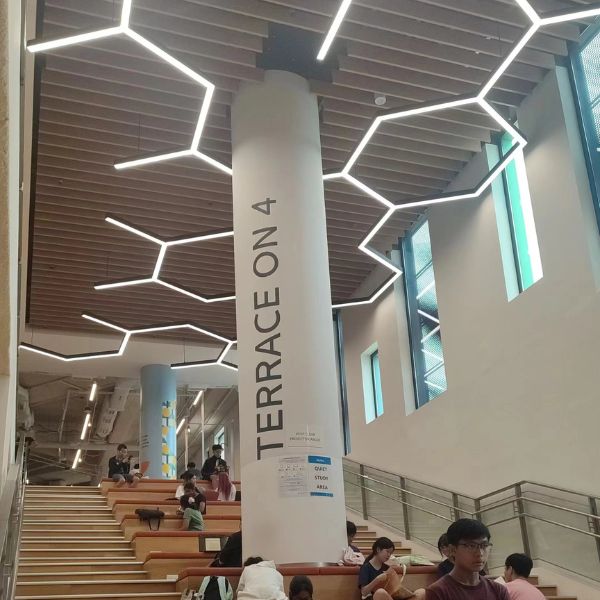
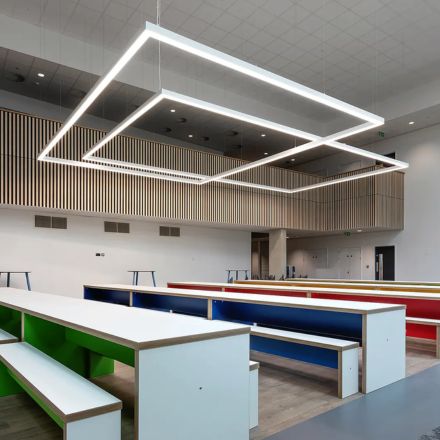
Linear lighting systems are rigid fixtures that provide continuous, uniform illumination. They are an excellent choice for offices, corridors, and commercial spaces where consistent light distribution along straight lines is needed. Often housed in aluminum profiles, these architectural LED fixtures offer a clean, structured look while ensuring proper heat management.
Flexible LED strip lights are one of the most versatile tools in architectural lighting. These thin, adaptable strips can be cut to length and installed around curves and in tight spaces. They are perfect for concealed applications like cove lighting, under-cabinet lighting, and accentuating complex architectural shapes. Their adaptability makes them a popular choice for both residential and commercial projects.
Spotlights are used to create accent lighting, drawing attention to specific features like artwork, structural elements, or landscape details. They produce a focused beam of light that adds depth and contrast to a space. By strategically placing spotlights, you can create a visual hierarchy that guides the eye and makes a room more engaging.
Customizable and Specialty LED Lighting Options
Beyond standard fixtures, the world of LED lighting offers exciting customizable and specialty options for unique design needs. RGBW (Red, Green, Blue, White) LEDs, for instance, allow you to create a full spectrum of colors while also providing a high-quality white light option. This makes them perfect for creating dynamic, mood-setting environments.
LED neon flex is another popular specialty product. It mimics the look of traditional neon but with the benefits of LED technology, including durability, energy efficiency, and flexibility. LED neon flex provides a continuous, uniform glow and is ideal for outdoor facade lighting, signage, and outlining architectural shapes. Its weather-resistant construction makes it a reliable choice for exterior applications.
These customizable options can be integrated with smart lighting systems for complete control via apps or automated schedules. With a range of accessories like diffusers, connectors, and mounting channels, you can tailor your lighting solution to perfectly match your project’s requirements, enabling truly unique and personalized design outcomes.
Frequently Asked Questions (FAQ)
What are the benefits of using LED architectural lighting? Energy efficiency and high adaptability stand out as key advantages, enhancing both functionality and design flexibility in various architectural applications. How does color temperature affect a space? Selecting the right color temperature can significantly influence the perception of space and ambiance, making it vital for lighting designers. Can LED fixtures be customized? Yes, LED lighting solutions come with a variety of options such as dimming capabilities and RGB configurations to meet specific lighting needs.
How do LED strip lights fit into architectural lighting projects?
LED strip lights are highly valued in architectural lighting for their adaptability and low profile. They can be concealed in coves, under cabinets, or along architectural details to provide seamless illumination. With adjustable brightness and color options, strip lights can be tailored to meet specific lighting needs, from subtle accenting to functional task lighting.
Can LED architectural lighting be customized for unique designs?
Yes, LED lighting offers extensive customization. Options like RGB or tunable white LEDs allow for complete color control, enhancing design flexibility. Fixtures can be tailored in shape and size to integrate perfectly with unique architectural elements, enabling designers to create truly bespoke lighting solutions that bring their creative visions to life.
What are some common mistakes to avoid when installing LED architectural fixtures?
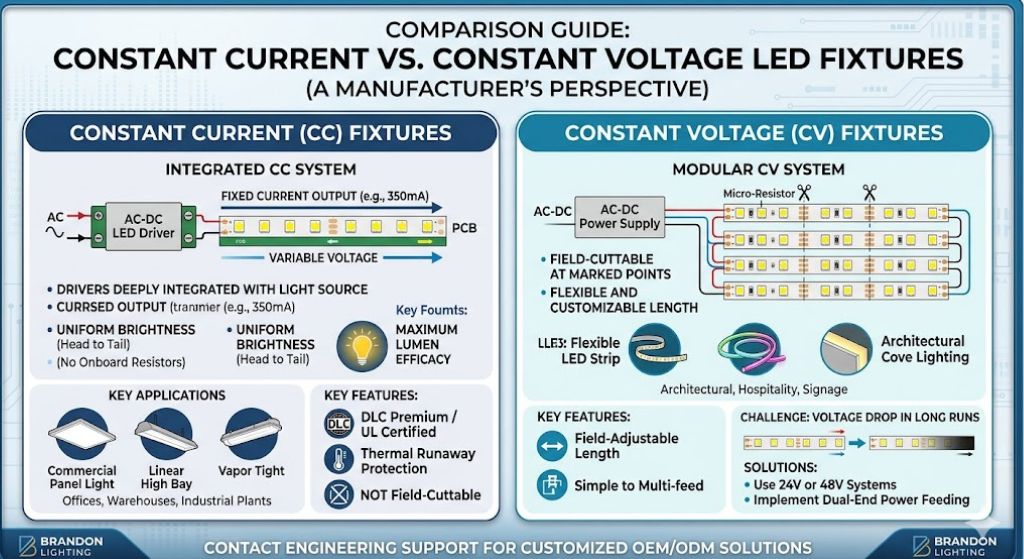
Common mistakes during installation include improper heat management, which shortens the fixture’s lifespan, and creating unwanted glare by misdirecting light. Using incorrect voltage can damage the LED lighting solutions. It is also important to ensure all connections are secure and protected, especially in outdoor or damp locations, to prevent failure.
Conclusion
In summary, LED architectural lighting is a powerful tool that can transform the aesthetic appeal and functionality of any space. By understanding its characteristics and benefits, you can make informed choices that enhance your projects. From energy efficiency to design flexibility, LED lighting offers numerous advantages that contribute to modern architectural design. Whether you’re considering indoor or outdoor applications, the right fixtures can elevate your environment while also promoting sustainability. Don’t hesitate to explore the various options available and maximize the impact of your designs. If you have any questions or need assistance in selecting the perfect LED solutions for your project, get in touch with us today!


Leave A Comment