
Key Highlights
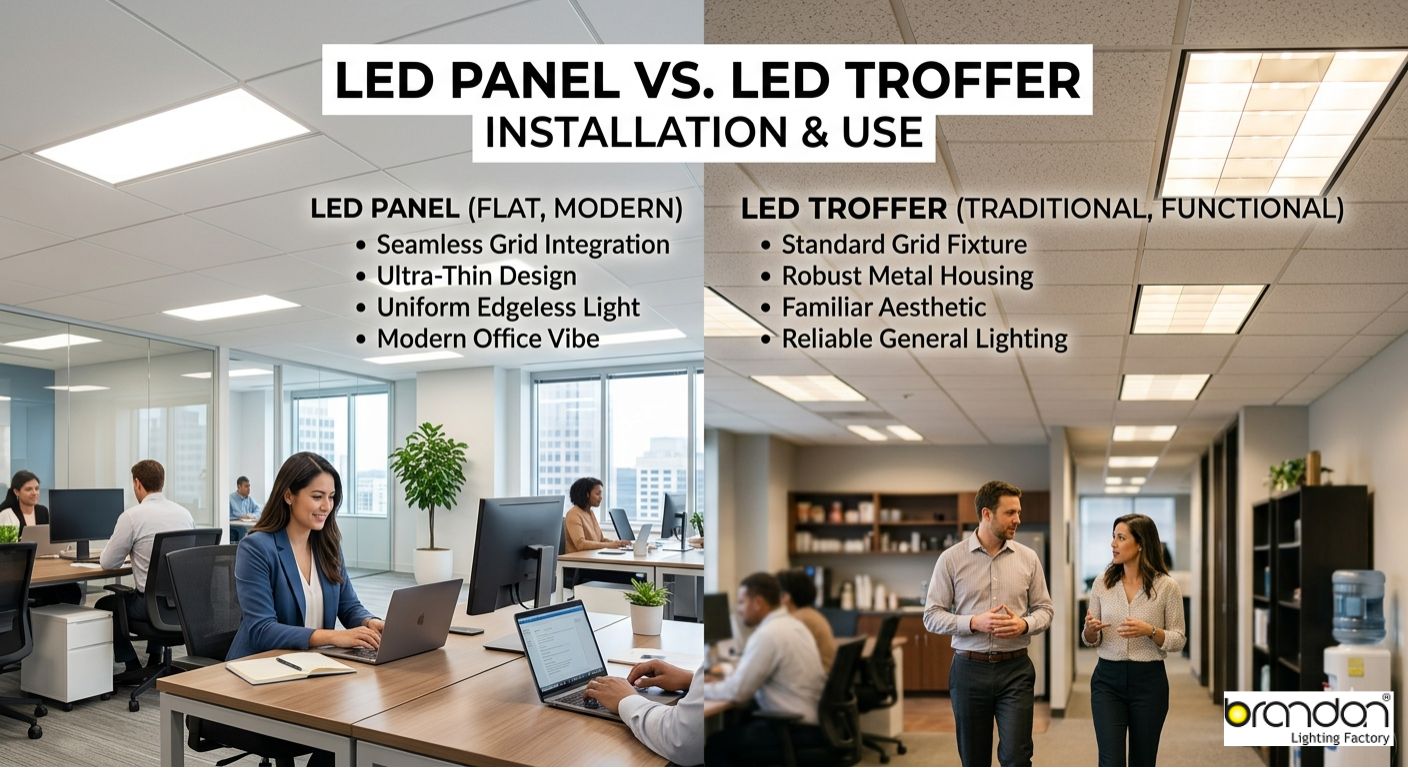
- LED panel lights offer a sleek, modern look with a slim profile, providing broad and uniform illumination ideal for open spaces.
- LED troffers are recessed fixtures designed for drop ceilings, offering focused or directional lighting suitable for task-oriented environments.
- Both lighting fixtures provide significant energy efficiency and a longer lifespan compared to traditional fluorescent lights, reducing energy consumption.
- Installation methods differ, with panel lights offering versatile mounting options while LED troffers are made for easy integration into ceiling grids.
- The choice between a panel light and an LED troffer depends on factors like room size, ceiling type, and desired light distribution.
- For commercial spaces, both are excellent options, but panels suit modern aesthetics while troffers are perfect for standard grid ceilings in offices and schools.
Introduction
Upgrading to energy-efficient lighting is a smart decision for any business or homeowner wanting to lower electricity bills and reduce their carbon footprint. Among the most popular options for ceiling lighting are LED panel lights and LED troffers. But what’s the difference, and which one is right for your space? Choosing the correct lighting fixtures can significantly impact both aesthetics and functionality. This guide will explore the features of both LED panels and troffers to help you make an informed decision for your lighting needs.
Understanding LED Panels and LED Troffers
When selecting modern lighting, you’ll likely encounter two main choices: the LED panel and the LED troffer. While both are vast improvements over traditional fluorescent lights, they serve different purposes and have distinct designs. Understanding their fundamental characteristics is the first step in choosing the best fit for your environment.
These lighting fixtures are at the forefront of LED technology for commercial and institutional settings. An LED panel is known for its flat, minimalistic appearance, while an LED troffer is a recessed fixture that fits into grid ceilings. Let’s look closer at what defines each of these popular lighting solutions.
What is an LED Panel?
An LED panel light is an ultra-thin, flat light fixture that delivers widespread, evenly distributed illumination. It consists of numerous individual LED bulbs housed within a sturdy metal frame, which allows the light to disperse uniformly across its entire surface. This design creates a seamless and modern look that blends well with contemporary decor.
The slim profile of a flat panel is one of its key advantages. This sleek design allows it to be surface-mounted on ceilings or walls, making it an excellent choice for rooms with low ceilings or limited overhead space. The result is an inconspicuous yet powerful source of energy-efficient lighting that avoids the bulky appearance of older fixtures.
If you are looking for a clean, contemporary aesthetic, an LED panel is often the superior choice. Its ability to provide consistent light without harsh shadows makes it perfect for open-plan offices, retail stores, and modern residential spaces where a minimalist feel is desired.

What is an LED Troffer?
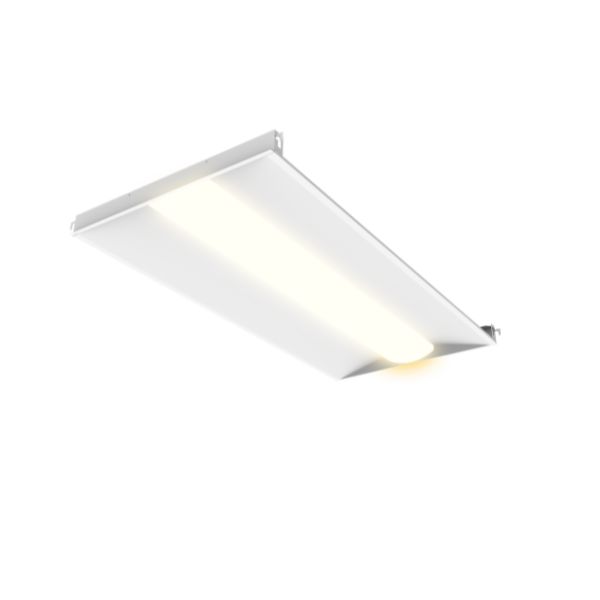
An LED troffer is a recessed lighting fixture specifically designed to fit into suspended or drop ceilings. These fixtures consist of a metal housing that contains LED bulbs or strips, which emit light through a diffuser lens. This design is a direct and efficient replacement for the outdated fluorescent troffer fixtures commonly found in commercial buildings.
These fixtures are the standard for many commercial settings like offices, schools, and hospitals due to their seamless integration with standard ceiling grids. They offer a clean, streamlined appearance that looks professional and unobtrusive. Different lens options allow LED troffers to provide either focused, directional light or wider distribution, depending on the need.
When comparing a 2×4 LED troffer to a 2×2 LED panel, the troffer often provides a higher lumen output suitable for larger spaces requiring bright, functional light. Their robust design and easy installation into existing grids make them a practical and popular choice for many commercial applications.
Brief History of LED Ceiling Lighting Solutions
The evolution of ceiling lighting has been driven by the need for more efficient lighting. For decades, traditional fluorescent tubes were the standard in commercial and institutional buildings. While they were an improvement over incandescent bulbs, they had drawbacks, including flickering, buzzing, and the presence of hazardous materials.
The arrival of LED technology revolutionized the industry. LEDs, or light-emitting diodes, offered a much longer lifespan, superior energy efficiency, and better light quality. Initially, LED lighting was expensive, but as the technology advanced, it became a more accessible and practical alternative to fluorescent lights.
This shift led to the development of dedicated LED lighting fixtures like panels and troffers. Instead of simply retrofitting old fixtures, these new solutions were designed from the ground up to maximize the benefits of LEDs. This resulted in the slim, efficient lighting we see today, completely transforming how we illuminate large spaces.
Key Differences Between LED Panel and LED Troffer Lighting
While both LED panels and troffers deliver on the promise of high energy efficiency and long life, several key differences set them apart. These distinctions relate to their design, how they are installed, and the way they distribute light. Understanding these variations is crucial for selecting the right fixture.
From visual appeal to performance metrics like light distribution and energy consumption, each fixture has unique strengths. We will now examine the primary differences in appearance, installation, light patterns, and cost to give you a clear picture of which option better suits your specific requirements.
Appearance and Design Features
One of the most noticeable distinctions between these two fixtures is their appearance. An LED panel boasts an ultra-slim, flat profile that creates a sleek design. This modern aesthetic allows it to be surface-mounted for a minimalist look that blends seamlessly with the ceiling.
In contrast, LED troffers have a more traditional, recessed appearance. They are designed as box-like fixtures that sit inside a suspended ceiling grid, making them less conspicuous. While modern LED troffers have a cleaner look than their fluorescent predecessors, they maintain that classic recessed style.
LED panels are available in various sizes and often feature an edge-lit design that contributes to their thinness. Troffers also come in standard sizes like 2×2 and 2×4 feet to fit ceiling grids perfectly. The choice between the sleek, modern flat panel and the traditional recessed troffer often comes down to the desired aesthetic of the space.
Installation Methods and Complexity
The installation process for LED panels and troffers varies significantly. LED panels offer greater flexibility, as they can be surface-mounted, suspended with cable kits, or recessed into drywall with a frame kit. Their slim design makes them suitable for various ceiling types, including those with limited overhead space.
LED troffers, however, are specifically designed for drop-in installation within suspended ceiling grids. This makes them incredibly easy to install in commercial buildings with existing T-grid systems. The troffer simply lays into the grid, and the wiring is connected. This straightforward process is ideal for new construction or large-scale retrofits in commercial settings.
For proper installation, it’s essential to follow the manufacturer’s instructions. While a troffer’s drop-in method is generally faster for suspended ceiling grid systems, a surface-mounted panel might be easier in a space without a grid. The complexity ultimately depends on your ceiling structure and the chosen mounting option.
Light Distribution Patterns
The way these fixtures spread light is a critical point of comparison. LED panels are engineered to provide broad, uniform lighting. They diffuse light evenly across their entire surface, which minimizes harsh shadows and creates consistent illumination. This makes them exceptionally well-suited for large, open spaces where even light is a priority.
On the other hand, LED troffers can offer more controlled light distribution. Depending on the design of the lens or diffuser, a troffer can provide either focused, directional light for specific tasks or wider ambient lighting. Some models, like center basket troffers, are designed to reduce glare and soften the light output.
If you need to illuminate a large area like a warehouse or open-plan office without any dark spots, the uniform illumination of an LED panel is ideal. However, if you need to direct light onto workstations or want to create different lighting zones within a room, the customizable light distribution of a troffer may be more appropriate.
Energy Efficiency Comparison
Both lighting options are highly regarded for their energy efficiency, offering substantial energy savings over fluorescent and incandescent bulbs. They significantly reduce energy consumption, which translates to lower utility bills. However, there can be slight differences in their overall efficiency, measured in lumens per watt (lm/W).
Generally, both fixture types perform exceptionally well. While some sources suggest LED panels may have a slight edge in cost-effectiveness due to simpler designs, high-end troffers can also achieve very high efficacy ratings. The light output and wattage will vary by model, so it’s important to check the specifications of the specific product you are considering.
Ultimately, the choice will deliver reduced energy consumption. The key is to compare specific models to see which offers the best performance for your budget and lighting needs.
| Feature | LED Panel | LED Troffer |
|---|---|---|
| Typical Efficacy | High | High |
| Energy Savings | Excellent | Excellent |
| Wattage Range | 20W – 40W (2×2) | 30W – 75W (2×4) |
| Common Application | General ambient lighting | General or task lighting |
Cost and Maintenance Considerations
When evaluating cost, it’s important to consider both the upfront price and long-term expenses. LED troffers may sometimes have a higher initial cost due to their more complex housing and optics. However, for large-scale projects in commercial spaces with grid ceilings, their ease of installation can help reduce labor costs.
In terms of maintenance costs, both fixtures offer a significant advantage with a longer lifespan of 50,000 hours or more. This drastically reduces the need for frequent replacements. For cleaning, LED panels require simple surface wiping. Troffers have an edge in repairs, as they can be easily removed from the ceiling grid for access to the driver or other components.
Over time, the energy savings from both options will offset the initial investment. While panels might seem more affordable upfront, the total cost of ownership—including purchase, installation, and energy costs—should be weighed. The best choice depends on your budget and the specific requirements of your commercial space.
Benefits of Using LED Panels
LED panels are an excellent choice for modern lighting due to their ability to provide seamless, uniform illumination. Their most significant benefit is enhanced uniformity, which eliminates dark spots and reduces eye strain in work environments. This, combined with excellent glare control, creates a comfortable and productive atmosphere.
These fixtures are particularly well-suited for commercial spaces such as offices, schools, and healthcare facilities where consistent, high-quality light is essential. Their sleek design and flexible mounting options add to their appeal. Let’s explore some of the specific advantages that make LED panels a popular choice.
Enhanced Uniformity and Glare Control
A primary advantage of LED panels is their capacity for exceptional uniform illumination. The edge-lit or backlit designs diffuse light evenly across the entire surface of the panel, creating a soft, consistent glow. This eliminates the harsh shadows and hotspots often associated with traditional lighting fixtures, resulting in a more comfortable and visually appealing environment.
This enhanced uniformity contributes to better light quality, which is crucial in spaces where visual tasks are performed. By providing consistent light levels, LED panels reduce eye strain and fatigue, boosting productivity and well-being. This makes them a superior choice for office settings and classrooms.
Furthermore, many LED panels are designed with advanced glare control. The frosted diffusers soften the light output, minimizing direct glare that can be distracting and uncomfortable. For environments prioritizing visual comfort, the combination of uniform lighting and effective glare control makes LED panels an ideal solution for efficient lighting.
Applications in Offices, Schools, and Healthcare Facilities
The unique benefits of LED panels make them highly suitable for a range of professional environments. In office lighting, their uniform, glare-free light creates a productive atmosphere for employees working long hours at computer screens. The sleek, modern design also complements contemporary office aesthetics.
Similarly, educational institutions benefit greatly from the high-quality light of LED panels. Consistent illumination in classrooms helps students stay focused and reduces eye strain. Their long lifespan and low maintenance needs are also a significant advantage for schools with tight operational budgets.
Healthcare facilities require clean, bright, and reliable lighting, and LED panels deliver on all fronts. They provide the clarity needed for medical tasks while creating a calming environment for patients. Common applications include:
- Offices and conference rooms
- Classrooms and libraries
- Hospital patient rooms and corridors
- Retail stores and showrooms
Flexibility in Mounting Options
One of the standout features of an LED panel light is its versatility in installation. Unlike fixtures designed for a single type of ceiling, panels can be mounted in several ways. This flexibility makes them adaptable to a wide array of architectural designs and building constraints.
For spaces with standard drop ceilings, panels can be recessed just like troffers for a flush, integrated look. In buildings with solid ceilings, they can be surface-mounted using a simple bracket kit. This is particularly useful in rooms with low ceilings where a recessed fixture isn’t feasible. Their slim profile ensures they remain unobtrusive.
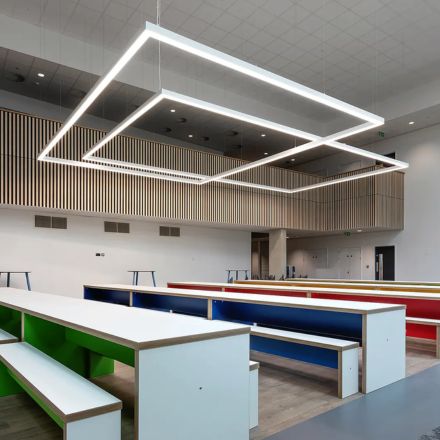
Additionally, LED panels can be suspended from the ceiling using cable kits. This creates a floating, architectural effect that is popular in modern commercial spaces with high ceilings. This variety of mounting options allows a single panel light model to be used across various applications within a building, simplifying procurement and ensuring a consistent design.
Advantages of LED Troffers
LED troffers are the go-to solution for buildings with suspended grid ceilings. Their primary advantage is their perfect compatibility with these systems, allowing for quick and seamless installation. The design of an LED troffer light ensures an efficient distribution of light, making them ideal for illuminating large commercial areas.
As a direct replacement for outdated fluorescent troffers, they provide immediate benefits in energy savings and light quality. The robust design and high lumen output of troffers make them a practical and powerful light source for many settings. Let’s delve into the specific benefits of choosing LED troffers.
Suitability for Drop Ceilings and Grid Systems
LED troffers are engineered specifically for drop ceilings, which are ubiquitous in commercial buildings. Their standard sizes, such as 2×2 and 2×4 feet, are designed to fit perfectly into the openings of a T-bar or suspended ceiling grid. This makes them the ideal choice for new construction and retrofitting projects in spaces with this type of ceiling.
The installation process is incredibly straightforward. The troffer is simply laid into the grid, secured, and wired, significantly reducing labor time and costs compared to more complex installations. This seamless integration creates a clean and professional appearance that looks built-in and intentional.
For facility managers and contractors working on large-scale projects in offices, schools, or hospitals, this compatibility is a major advantage. It ensures a consistent and efficient upgrade process across the entire building, making LED troffers the most practical and reliable option for modernizing lighting systems in these environments.
High Lumen Output for Large Spaces
When it comes to illuminating large areas, high lumen output is essential. LED troffers are known for their ability to deliver powerful, bright light, making them an excellent choice for spaces that require high visibility. Many 2×4 troffer models are capable of producing 5,000 lumens or more, ensuring that even large rooms are adequately lit.
This high light output makes troffers particularly effective in open spaces like large office floors, retail showrooms, and institutional corridors. With fewer fixtures, you can achieve the necessary brightness levels, which can contribute to lower initial costs and reduced energy consumption over the long term.
The efficient lighting provided by troffers ensures that light is directed where it is needed most. Combined with diffuser lenses that spread the light evenly, they can illuminate large areas without creating overpowering brightness or glare. This balance of power and quality makes them a reliable workhorse for commercial lighting.
2×4 vs 2×2 LED Troffer Options
LED troffers are available in various sizes, with the 2×4 and 2×2 foot models being the most common. The choice between these sizes depends on the ceiling grid, room dimensions, and required light levels. A 2×4 LED troffer is the standard for replacing traditional two-lamp fluorescent fixtures and is ideal for larger rooms and corridors due to its greater surface area and higher potential lumen output.
A 2×2 troffer, often compared to a 2×2 LED panel, is better suited for smaller rooms, hallways, or areas where less intense light is needed. They fit neatly into smaller grid patterns and can be used to create more nuanced lighting designs. Using a mix of both sizes allows for a customized lighting layout that matches the function of each space.
Ultimately, the type of lighting you need dictates the best option. A 2×4 troffer provides powerful, broad coverage, while a 2×2 fixture offers a more compact solution. Considering the room’s scale and purpose will help you decide which of these various sizes is the right fit.
Factors to Consider When Choosing LED Lighting
Making an informed decision between LED panels and troffers requires evaluating several key factors related to your space and goals. Your specific needs, from room size and layout to the desired ambiance, will guide you to the best choice. It’s not just a commercial vs residential question; it’s about matching the fixture to the environment.
By considering these factors, you can ensure your new lighting system is both functional and aesthetically pleasing. Let’s explore what you should think about before making your final selection to ensure you invest in the right LED technology for your project.
Room Size and Layout Impact
The size and layout of your room play a crucial role in determining the right lighting fixture. For large, open spaces with high ceilings, LED panels are often an excellent choice. Their ability to provide broad, uniform illumination ensures that the entire area is evenly lit without dark corners or shadows.
In contrast, smaller, compartmentalized rooms or spaces with standard ceiling heights may be better served by LED troffers. Their compatibility with drop ceilings makes them a natural fit for standard office layouts. They can also provide more focused light, which is useful for defining different zones within a larger room.
When planning your lighting, consider the following:
- Large, open-plan offices benefit from the uniform light of panels.
- Corridors and hallways are well-lit by long 2×4 or 1×4 troffers.
- Small meeting rooms or individual offices can use 2×2 troffers or panels effectively.
- The layout will impact the number and placement of fixtures needed to achieve ideal lighting levels.
Desired Lighting Levels and Color Temperatures
The intended function of a space dictates the necessary lighting levels and color temperature. For task-oriented environments like workshops or kitchens, brighter light with a cooler color temperature (4000K to 5000K) is often preferred as it promotes alertness and clarity. Both high-output troffers and panels can achieve these lighting levels.
For areas where ambiance is more important, such as break rooms or reception areas, a warmer color temperature (3000K to 3500K) creates a more inviting and relaxed atmosphere. Many modern LED fixtures are color-selectable, allowing you to choose the color temperature during installation.
Beyond brightness, consider the light quality. Features like a high Color Rendering Index (CRI) ensure that colors appear natural and vibrant, which is important in retail and healthcare settings. Good glare control is also essential for visual comfort in office environments. Evaluating these aspects will help you choose a fixture that delivers the right look and feel.
Commercial vs Residential Suitability
While both LED panels and troffers are primarily used in commercial settings, their suitability can differ. LED troffers are almost exclusively found in commercial, institutional, and industrial buildings with suspended ceilings. Their design is purpose-built for these environments, making them the standard for offices, schools, and hospitals.
LED panels, with their sleek design and versatile mounting options, have a broader appeal. They are a popular choice for modern commercial spaces but are also finding their way into residential spaces. A flat panel can provide a clean, contemporary look in a kitchen, basement, or garage, especially where a low-profile fixture is needed.
For most residential applications, the aesthetic of a panel light is more fitting than a troffer. However, proper installation is key in any setting. Whether you choose a panel for your home office or a troffer for a large commercial building, ensuring it is installed correctly will maximize its performance and lifespan.
Conclusion
In conclusion, understanding the differences between LED panels and LED troffers is crucial for making informed lighting decisions. Each option has its unique features and benefits that cater to various environments, whether in commercial or residential settings. By considering factors like room size, desired lighting levels, and installation complexity, you can choose the best solution to meet your specific needs. Investing in the right lighting not only enhances the aesthetic appeal of your space but also improves energy efficiency and functionality. If you’re ready to upgrade your lighting, get quotes from our trusted providers today to find the perfect fit for your project.
Frequently Asked Questions
Are LED panels or LED troffers easier to install?
Installation ease depends on your ceiling. An LED troffer is easier to install in a suspended ceiling grid, as it’s designed to simply drop into place. For solid drywall ceilings, a surface-mounted panel light is typically easier and faster to install, avoiding the need for extensive cutting or framing for proper installation.
Which provides better energy savings—LED panels or LED troffers?
Both LED lighting options offer excellent energy savings and significantly reduce energy consumption compared to fluorescent lights. While efficiency varies by model, neither has a definitive advantage. To maximize savings, compare the lumens per watt (lm/W) of specific fixtures to find the most efficient lighting for your needs.
Do LED panels and troffers offer superior light uniformity?
LED panels are specifically engineered for superior uniform lighting due to their edge-lit or fully backlit design, which minimizes shadows. While troffer lights also provide good light distribution, especially those with advanced diffusers, an LED panel is generally the better choice if your primary goal is perfectly even illumination and glare control.


Leave A Comment