
Key Highlights
- Strategic lighting solutions are vital for enhancing a grocery store’s customer experience and influencing purchasing behavior.
- Proper LED lighting significantly boosts the visual appeal of products, especially fresh food, making them more attractive to shoppers.
- Selecting the right color temperature and a high Color Rendering Index (CRI) is crucial for accurately representing product colors.
- Modern LED lighting offers substantial energy efficiency, leading to lower energy costs and helping stores meet sustainability goals.
- A layered lighting approach, combining ambient, accent, and task lighting, creates a functional and inviting atmosphere.
- Avoiding common mistakes like glare and uneven lighting ensures a comfortable and safe shopping environment for everyone.
Introduction
Lighting within a grocery store is much more than a simple utility; it is a critical element that shapes the entire shopping journey. The right lighting solutions can transform a retail space, guiding customer behavior and enhancing the store’s overall ambiance. As the industry moves toward more energy-efficient and effective options, LED lighting has become the standard for modern grocery environments. An effective lighting strategy is essential for highlighting products, creating an inviting atmosphere, and ultimately, driving sales in a competitive market.
The Impact of Lighting on Grocery Store Success
The success of a grocery store is heavily influenced by its lighting. Well-designed lighting solutions do more than just illuminate the space; they directly impact the customer experience. From making fresh food look more appealing to ensuring labels are easy to read, lighting plays a fundamental role in how shoppers perceive product quality and freshness.
In competitive retail environments, strategic lighting can be a key differentiator. It helps create a welcoming atmosphere that encourages customers to spend more time in the store. Proper illumination can make a store feel cleaner, safer, and more organized, contributing positively to brand perception and customer loyalty.


Enhancing Product Appeal and Customer Experience
Good lighting design is instrumental in boosting the visual appeal of products, particularly fresh food. The appearance of fruits, vegetables, and meats is directly affected by the quality of light. Can good lighting design enhance the appearance of fresh food displays? Absolutely. Lighting that enhances natural colors and textures makes fresh produce look more appetizing, directly influencing a customer’s decision to buy.
In contrast, poor illumination can make even the freshest items appear dull and uninviting. For a grocery store, ensuring that products are presented in the best possible light is crucial for sales. Proper lighting also helps customers easily read labels and nutritional information, which reduces frustration and improves the overall shopping experience.
Strategic placement of light can also draw attention to promotional items or seasonal displays. By using different lighting techniques, a grocery store can create a dynamic environment that not only showcases products effectively but also engages customers, guiding them toward specific areas and encouraging exploration.
Influencing Shopper Behavior with Strategic Lighting
Lighting has a profound psychological impact on shoppers, subtly guiding their behavior and perceptions. The warmth or coolness of light, known as color temperature, can set the entire mood of a store. Why is color temperature important in grocery store lighting? Warmer light can create a cozy, comfortable atmosphere, encouraging customers to relax and browse longer. This type of lighting is often used in bakery sections to evoke a sense of freshness and warmth.
Conversely, cooler, brighter lighting can create a feeling of cleanliness and efficiency. Strategic lighting solutions can also direct customer flow, highlighting specific departments or promotional areas to guide shoppers through the store. This careful orchestration enhances the shopping experience and can subtly influence purchasing decisions.
Ultimately, the lighting choices you make contribute to your brand image. A well-lit, inviting store communicates quality and care, enhancing the customer experience from the moment they walk in. By understanding how light affects mood and behavior, retailers can design a more effective and profitable space.
Energy Efficiency and Sustainability in Modern Retail Lighting
In today’s retail landscape, energy efficiency is a top priority. Lighting accounts for a significant portion of a grocery store’s energy consumption, making it a key area for improvement. Adopting energy-efficient solutions not only lowers operational energy costs but also helps businesses meet their sustainability goals. Modern LED lighting is a prime example, offering substantial energy savings compared to traditional options.
One of the best lighting design practices for supermarkets is incorporating smart controls. Systems that adjust lighting based on the time of day or customer traffic can optimize energy use and create a more dynamic shopping environment. For instance, daylight harvesting techniques, which use natural light from windows or skylights to supplement artificial lighting, can further reduce energy consumption.
By embracing these innovative strategies, grocery stores can achieve a crucial balance between operational efficiency and environmental responsibility. This commitment to sustainability can also enhance brand reputation and appeal to an increasingly eco-conscious consumer base.
Key Principles of Innovative Grocery Store Lighting Design
Effective grocery store lighting design revolves around a few core principles. The primary goal is to create a visually appealing and functional environment that enhances the shopping experience. This involves careful consideration of factors like color rendering and color temperature to ensure products look their best. Modern LED lighting offers the flexibility and control needed to implement these principles effectively.
By mastering these fundamentals, retailers can transform their store lighting from a basic necessity into a strategic asset. The next sections will explore how to balance different types of light, the importance of color metrics, and how to avoid common pitfalls in your lighting plan.
Balancing Ambient, Accent, and Task Lighting
One of the best lighting design practices for supermarkets is implementing a layered approach that combines three main types of lighting. This strategy ensures both functionality and aesthetic appeal throughout the grocery store. Proper lighting is achieved by balancing these distinct layers to create a cohesive and effective environment.
Each layer serves a specific purpose, and the most effective types of light fixtures for grocery stores are chosen accordingly:
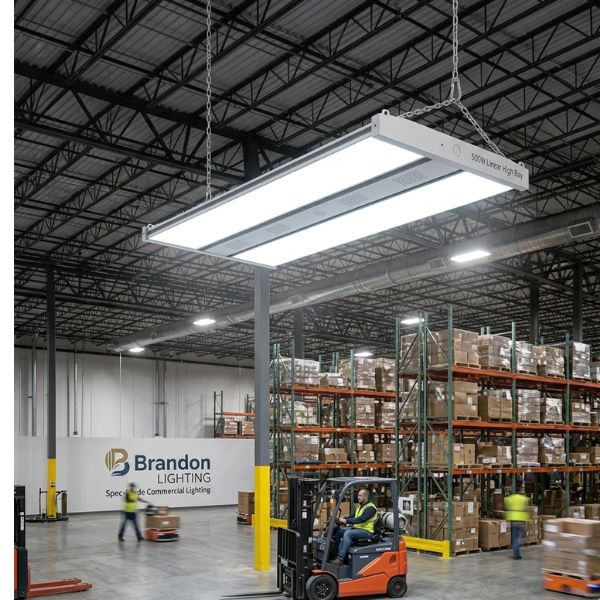
- Ambient lighting: This is the general, overall illumination that ensures visibility and safety throughout the store. Fixtures like high bay lights or linear strip lights are often used for this purpose.
- Accent lighting: Used to highlight specific products, displays, or architectural features, accent lighting draws customer attention. Track lights are a popular choice for their adjustability.
- Task lighting: This is focused light for specific activities, like at checkout counters or food preparation areas, ensuring clarity and accuracy. Recessed downlights are excellent for this.
By thoughtfully combining these lighting solutions, a grocery store can create a dynamic and engaging space. This layered approach improves product presentation, guides customers, and enhances the overall shopping experience, moving beyond simple illumination to strategic design.
Importance of Color Temperature and Color Rendering Index
Understanding color temperature and the Color Rendering Index (CRI) is essential for effective grocery store lighting. Color temperature, measured in Kelvin (K), describes the perceived warmth or coolness of a light source. As asked before, why is color temperature important in grocery store lighting? It sets the mood; a warmer tone (around 3000K) feels cozy, while a cooler tone (4000K) feels clean and bright. Finding the right balance is key to creating an inviting atmosphere.
The Color Rendering Index (CRI) is equally critical. CRI measures how accurately a light source reveals the true, natural colors of objects compared to natural daylight. For grocery stores, a high CRI of 80 or above is recommended. For sections with fresh produce, a high CRI of 90+ is ideal to truly showcase the vibrant, high color of fruits and vegetables.
When lighting has a poor CRI, products can appear dull, discolored, and unappealing, which can negatively impact sales. Investing in lighting with excellent color rendering ensures that your products are seen in their best, most natural light, building customer trust and enhancing perceived quality.
Avoiding Common Lighting Mistakes in Grocery Stores
Even with the best intentions, many grocery stores make common lighting mistakes that undermine their efforts. Poor lighting can detract from product appeal, create an uncomfortable shopping environment, and increase operational expenses. Being aware of these pitfalls is the first step toward creating a superior lighting plan.
What common lighting mistakes should grocery stores avoid? Retailers often overlook key details that can have a big impact. Issues like inconsistent lighting levels or harsh glare can frustrate shoppers and make them want to leave sooner.
Here are some frequent errors to steer clear of:
- Insufficient or Uneven Lighting: This creates dark spots and shadows, making it hard to see products.
- Ignoring Glare and Reflections: Overly bright or poorly positioned fixtures can cause discomfort and distract from displays.
- Neglecting Maintenance: Burnt-out bulbs and dirty lighting fixtures diminish a store’s appearance and can be a safety concern.
- Using Fixtures with Poor Color Rendering: This makes fresh food look unnatural and unappealing. Proper lighting avoids these issues, reducing long-term maintenance costs and improving the customer experience.
Smart LED Lighting Solutions for Different Store Zones
A grocery store is not a single, uniform space; it is a collection of different zones, each with unique lighting needs. Smart LED lighting solutions offer the flexibility to tailor illumination for each specific area, from the bright, welcoming entrance to the functional stock rooms. Using the right LED fixtures in the right place is key to optimizing the entire store.
Different retail environments within the store require different approaches. For example, the lighting that makes fresh produce look vibrant is not the same as what is needed for the frozen food aisle. The following sections will detail the best practices and fixture choices for various zones in your grocery store.
Produce Section: Best Practices and Fixture Choices
The produce section is where freshness is paramount, and the lighting must reflect that. The best light for this area enhances the natural vibrancy of fruits and vegetables without generating excess heat that could cause them to spoil. What’s the best type of LED lighting for a grocery store’s produce section? LED light fixtures with a high CRI (90+) are essential, as they render colors accurately and make fresh produce look its most appealing.
Because LEDs produce minimal heat, they are the ideal choice for preserving the freshness of delicate items. The ability to show true colors helps shoppers gauge the quality of the produce, directly influencing their purchasing decisions.
Adjustable fixtures are highly recommended for the produce section to accommodate changing seasonal displays. Here is a look at fixture types and their benefits:
| Fixture Type | Best Use Case |
|---|---|
| Track Lighting | Ideal for highlighting specific displays and offering flexibility for seasonal changes. |
| LED Downlights | Provides focused, bright light to enhance the colors and textures of produce. |
| Pendant Lights | Adds an aesthetic touch while providing general illumination over produce islands. |


Optimizing Aisle and Shelf Lighting
The grocery aisles are the core of the shopping experience, where customers spend most of their time. Proper lighting here is crucial for product visibility and operational efficiency. How can aisle lighting be optimized in a grocery store? The goal is to provide uniform, consistent illumination that eliminates shadows and makes it easy for shoppers to find products and read labels.
Effective aisle lighting enhances the visual appeal of packaging and helps products stand out on the shelves. This can be achieved using a variety of fixtures tailored to the specific layout of the grocery aisles.
Consider these options for optimal aisle lighting:
- LED Track Fixtures: These offer flexibility, allowing you to adjust beam angles and highlight end caps or promotional displays.
- LED Strip Lights: Perfect for integrating directly into shelving, these fixtures illuminate products from top to bottom, ensuring every item is visible.
- High Output LED Lights: For stores with high ceilings, these fixtures provide powerful, widespread illumination across large areas.
Effective Lighting for Refrigerated, Bakery, and Checkout Areas
Beyond the main aisles, several other areas require specialized lighting. Refrigerated areas, for example, need fixtures that perform well in low temperatures and do not emit heat that could compromise food safety. Airtight and wet-rated LED fixtures are ideal for refrigerated cases. Which areas of a grocery store benefit the most from LED lighting upgrades? While the whole store benefits, refrigerated sections see significant advantages due to the low heat and energy efficiency of LEDs.
Bakery lighting, on the other hand, should create a warm and inviting atmosphere. Warm-dim and accent lighting can be used to highlight the textures of fresh-baked goods, making them look irresistible. The goal is to enhance the delicious appearance of the products and entice customers.
Finally, checkout counters require bright, clear, and shadow-free illumination to ensure accuracy and speed during transactions. Recessed LED downlights or stylish pendant lights can provide focused, glare-free light, facilitating a smooth end to the shopping trip. These targeted lighting strategies improve both function and customer perception in key zones.
Conclusion
In conclusion, innovative lighting solutions play a crucial role in the success of grocery stores by enhancing product visibility and creating an inviting shopping atmosphere. By strategically implementing the right combination of ambient, accent, and task lighting, retailers can significantly influence shopper behavior and improve overall customer experience. Moreover, energy-efficient lighting not only supports sustainability goals but also reduces operational costs over time. As you explore and adopt these lighting strategies, remember that each zone of your store may require unique approaches to maximize appeal and functionality. Embracing these innovations can lead your grocery store to thrive in a competitive market. If you’re ready to elevate your store’s lighting design, consider reaching out for professional guidance on implementing these solutions.
Frequently Asked Questions
Which areas benefit most from LED lighting upgrades in grocery stores?
Nearly every area of a grocery store benefits, but refrigerated areas see huge gains from the low heat and energy savings of LED lighting. Produce sections, aisle lighting, and checkout counters also experience significant improvements in product appearance, visibility, and operational efficiency with targeted LED upgrades.
How does good lighting enhance fresh food displays?
Good lighting enhances the visual appeal of fresh food by using a high color rendering index (CRI) to show true, vibrant colors. This makes fresh produce look more appetizing and high-quality. Proper illumination can also highlight texture and shape, directly influencing a customer’s perception of freshness and their decision to purchase.
What are examples of innovative grocery store lighting ideas for retailers?
Innovative lighting solutions for retail environments include using adjustable track lighting for seasonal displays, decorative pendant lights over specialty counters, and smart systems with motion sensors to save energy in stock rooms. Tunable lighting that allows for changes in color temperature can also create different moods for specific promotions or times of day.

Leave A Comment