
Key Highlights
- This blog post contrasts Slot 4 (4-inch) and Slot 6 (6-inch) recessed linear lighting, focusing on their application in commercial spaces.
- We’ll explore how aperture size impacts visual aesthetics, especially with varying ceiling heights, to help you make the right choice for your project.
- The discussion highlights the advantages of field-selectable wattage and color temperature for ultimate design flexibility and energy efficiency.
- Installation best practices for both T-Bar and drywall ceilings are covered, ensuring a seamless and professional finish.
- Discover how our Slot series offers a high-quality, certified alternative to other leading brands in the market.
- Choosing the correct recessed linear light is as crucial as selecting the right RAM slot; both require careful consideration of specifications for optimal performance.
Introduction
When designing a commercial space, every detail matters. The choice between a 4-inch (Slot 4) and a 6-inch (Slot 6) recessed linear light might seem minor, but it has a significant impact on aesthetics, ambiance, and functionality. Similar to how selecting the correct RAM slot on a motherboard is critical for computer performance, choosing the right lighting aperture is fundamental to achieving your project’s design goals. This guide will walk you through the key differences, helping you specify the perfect lighting solution for your next project.
Understanding 4-Inch vs 6-Inch Recessed Linear Lighting
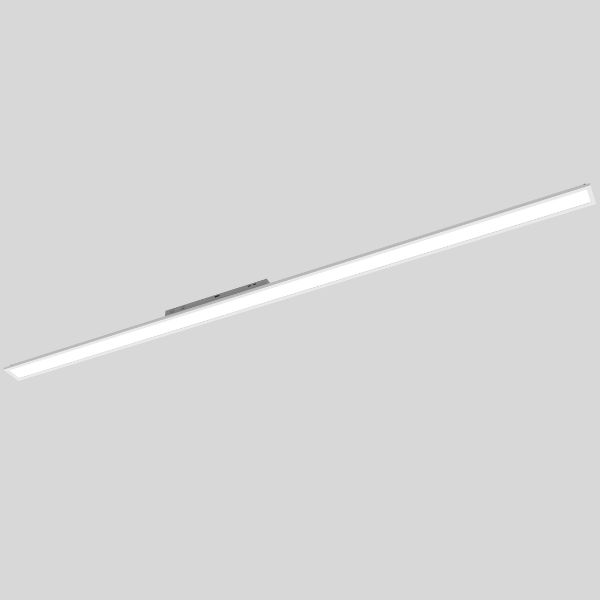
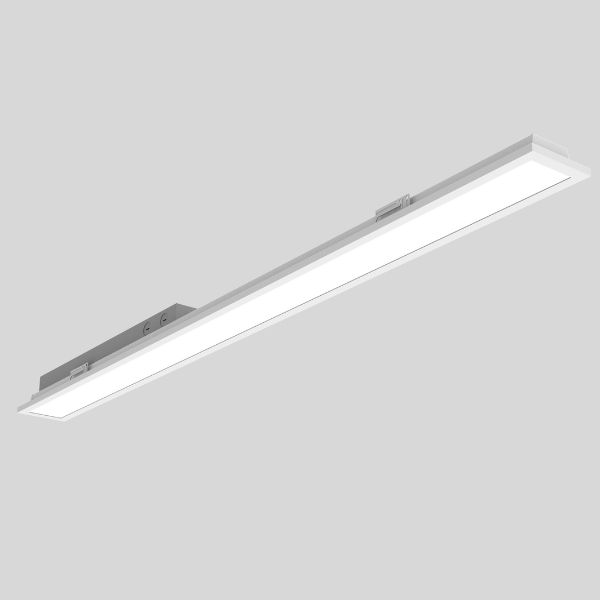
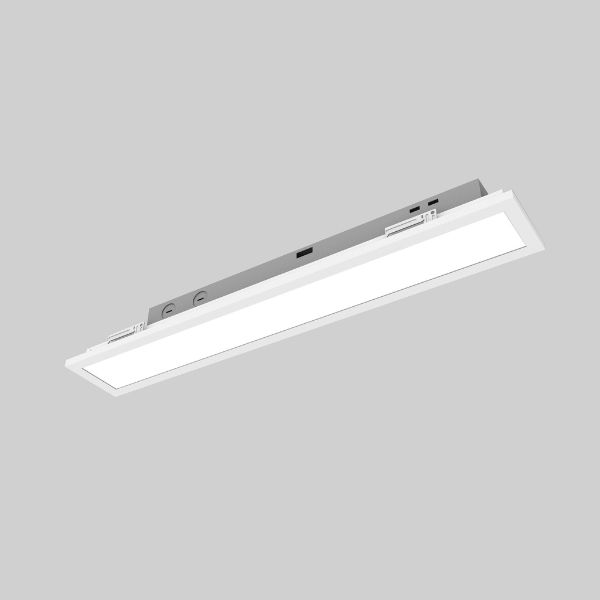
Recessed linear lighting systems offer a clean, modern aesthetic by integrating directly into the ceiling. The primary distinction between the 4-inch and 6-inch options is the width of the light-emitting aperture. This width influences the visual scale and the amount of light delivered.
Your choice of fixture will depend on the project’s specific requirements, including ceiling height, desired light levels, and overall design intent. Like choosing a RAM module with the right specifications, selecting the correct recessed linear light ensures the system performs as intended, providing both form and function.
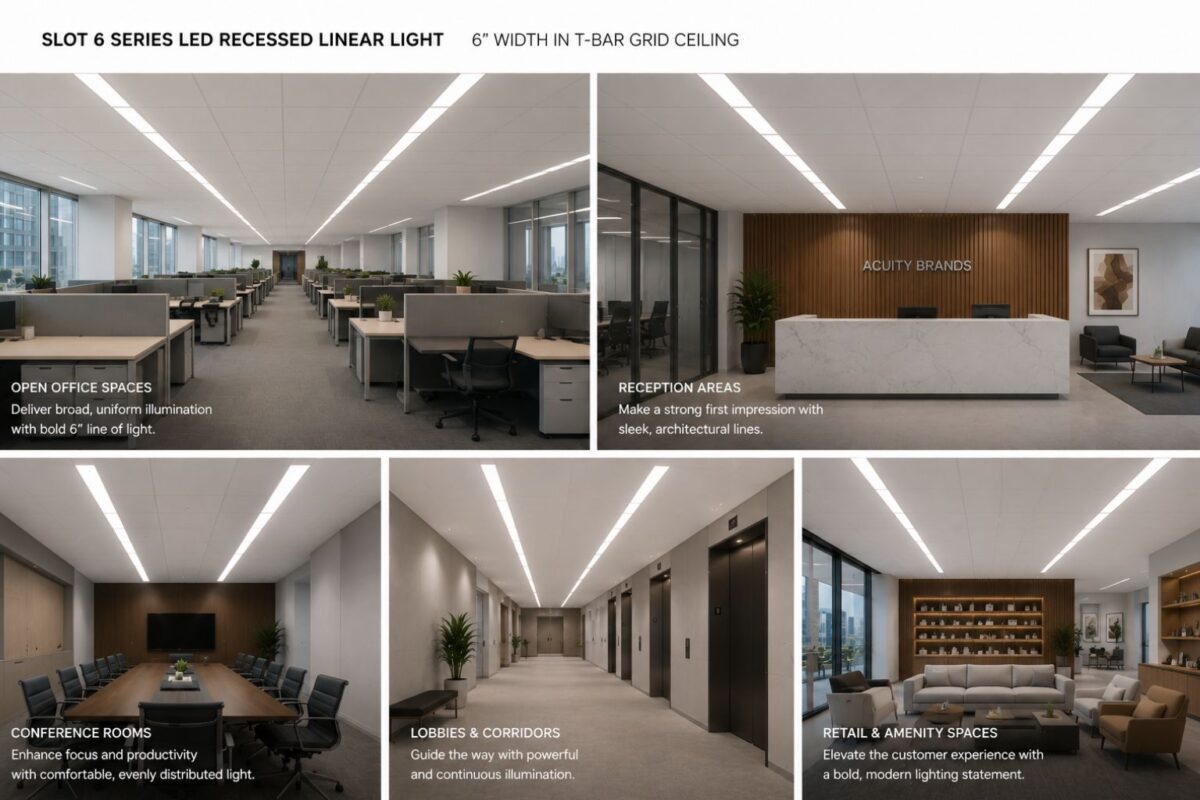
Visual impact of 4-inch and 6-inch apertures in commercial spaces
The visual impact of a recessed linear light is directly tied to its aperture size. A 4-inch aperture offers a more subtle, refined look. It creates clean, narrow lines of light that are ideal for spaces where the lighting is meant to complement the architecture without overpowering it, such as in high-end offices or boutique retail environments.
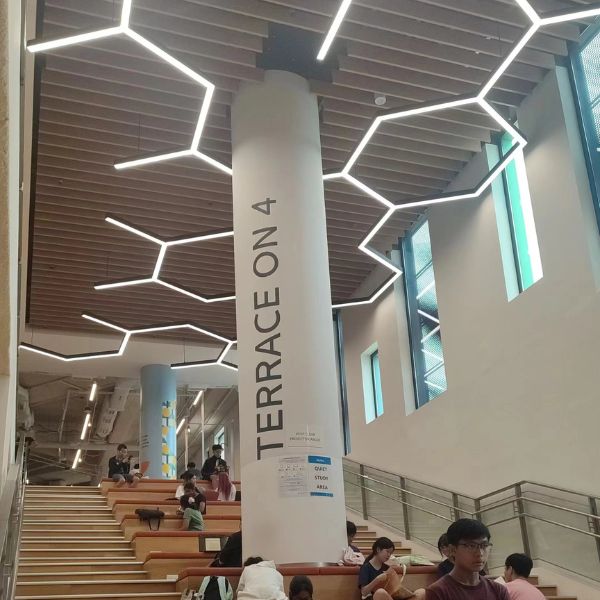
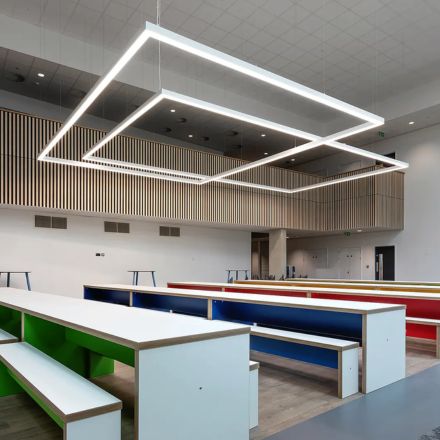
In contrast, a 6-inch aperture makes a bolder statement. The wider band of light has a greater presence in the ceiling plane, making it suitable for larger, more open areas like lobbies, atriums, and convention halls. The broader fixture can become a deliberate design element, drawing the eye and defining the space.
Ultimately, the choice affects the entire atmosphere. The right aperture size ensures the recessed linear light fixtures integrate seamlessly into the ceiling, enhancing the architectural design and creating the intended ambiance for the space. It’s a decision that balances aesthetic preference with functional lighting requirements.
Selecting the right aperture size for varying ceiling heights
Ceiling height is a critical factor when specifying recessed linear lighting. A light fixture that looks perfect in a standard 9-foot ceiling might appear lost or ineffective in a 15-foot atrium. The key is to match the scale of the fixture to the scale of the space for a balanced and proportional design.
Consider these factors when making your decision:
- Low to Standard Ceilings (8-10 ft): A 4-inch aperture is often preferred. Its smaller scale prevents the ceiling from feeling cluttered and provides ample light without creating uncomfortable glare.
- Mid-Height Ceilings (10-14 ft): Both 4-inch and 6-inch fixtures can work well here. The choice often depends on the desired visual impact and required lumen output.
- High Ceilings (15 ft and above): A 6-inch aperture is typically the better choice. Its larger size has a stronger visual presence in expansive, high-volume spaces, and it can house higher-output modules to deliver sufficient light to the floor.
Just as you must ensure a RAM module is compatible with a specific RAM slot, you must match the aperture’s specifications to the ceiling height. This ensures both visual harmony and optimal lighting performance.
Performance and Flexibility in Slot Series Lighting
In high-performance computing, configuring RAM modules for dual-channel operation is essential to maximize memory bandwidth and data transfer rates. A single-channel configuration can significantly limit system potential. This principle of optimizing for performance and flexibility has a parallel in modern lighting design.
Our Slot series of recessed linear lights embodies this concept of versatility. We offer features that allow you to fine-tune lighting performance directly in the field, ensuring the system is perfectly adapted to the space’s needs, much like a properly configured RAM setup unlocks a computer’s full capabilities.
Benefits of field-selectable wattage and color temperature (CCT)
Field-selectable options for wattage and color temperature (CCT) provide unparalleled versatility on a job site. Instead of being locked into a single specification, contractors and designers can make real-time adjustments to meet the exact needs of the space. This flexibility is a game-changer for commercial projects.
The main advantages of these features include:
- Reduced Inventory: Distributors and contractors can stock one fixture to cover multiple requirements, simplifying logistics.
- On-Site Adjustability: Fine-tune light levels and color tone during installation to match client preferences or respond to unforeseen site conditions.
- Future-Proofing: The lighting can be easily adjusted in the future if the use of the space changes.
This adaptability is akin to building a PC with compatible RAM modules. By selecting a versatile lighting module, you ensure the system is not only functional but also optimized for its environment. Having the ability to change the color temperature or wattage on-site prevents costly delays and ensures the final result meets everyone’s expectations.
Energy efficiency and lighting consistency in continuous runs
Achieving seamless, consistent illumination in continuous runs is a hallmark of high-quality linear lighting. Our Slot series is engineered to provide uniform light without dark spots or color shifts, ensuring a flawless line of light. This consistency is crucial for creating a professional and polished look in any commercial interior. Furthermore, with UL and DLC certifications, our fixtures guarantee high energy efficiency, reducing operational costs over the building’s lifetime.
The choice between a 4-inch and 6-inch fixture can influence both energy use and performance, similar to how a dual-channel RAM configuration affects bandwidth.
| Feature | Slot 4 (4-Inch) | Slot 6 (6-Inch) |
|---|---|---|
| Typical Application | Offices, Corridors, Retail | Lobbies, Atriums, Open Offices |
| Visual Scale | Subtle, discreet lines | Bolder, more pronounced presence |
| Energy Profile | Lower wattage options ideal for task/ambient lighting | Higher wattage options for high-ceiling applications |
| Lumen Output | Efficient for standard ceiling heights | Capable of higher output for greater light throw |
This balance of energy efficiency and performance ensures that your lighting design is not only beautiful but also sustainable and cost-effective. Just as you wouldn’t settle for subpar data transfer rates in a high-performance computer, you shouldn’t compromise on lighting quality and efficiency.
Installation Best Practices: Seamless Lines of Light in T-Grid Ceilings
Proper installation is the final, critical step in realizing a successful lighting design. For recessed linear lighting, the goal is to create long, continuous lines of light that appear as an integral part of the ceiling architecture. This requires precision and adherence to best practices, especially in common T-Grid and drywall ceiling systems.
Much like carefully inserting a module into the correct RAM slot to ensure a secure connection, installing linear fixtures correctly guarantees optimal performance and a flawless visual outcome. Paying attention to the details during installation prevents issues and delivers the professional finish your project deserves.
Comparing installation steps for 4-inch and 6-inch recessed linear lighting
While the general installation concept is similar for both 4-inch and 6-inch fixtures, there are subtle differences to consider. The wider and heavier 6-inch fixtures may require additional support or handling care compared to their 4-inch counterparts, especially in long continuous runs. Both are designed for seamless integration into T-Bar and drywall ceilings.
Key installation considerations include:
- Handling and Alignment: Ensure all fixture housings are perfectly aligned before joining them to prevent gaps or crooked lines.
- Structural Support: For drywall installations, verify that the ceiling structure can adequately support the fixture’s weight. In T-Grid ceilings, ensure the grid is properly installed and secured.
- Wiring and Connections: Make all electrical connections before lifting the fixture into the ceiling. Our fixtures are designed for easy wiring to simplify this process.
This process requires the same level of precision as installing hardware on a motherboard. Just as you wouldn’t force a component into the wrong RAM slot, careful alignment and handling are essential for a perfect lighting installation. Following the manufacturer’s instructions is the best way to avoid common mistakes and ensure a successful outcome.
Conclusion
In summary, selecting the right recessed linear lighting for your project hinges on both aesthetic and functional considerations. The visual impact of 4-inch versus 6-inch apertures can vary significantly based on ceiling heights and the overall design of the space. With the flexibility offered by our Slot series, you can optimize performance through field-selectable wattage and color temperature, ensuring energy efficiency and consistent lighting across continuous runs. Moreover, our installation best practices facilitate seamless integration into T-Grid ceilings, enhancing the overall appeal of your commercial projects. For those looking to elevate their lighting design, don’t hesitate to get quotes from us to discover the best options tailored to your needs.


Leave A Comment