
Key Highlights
- LED vaportight vs waterproof light decisions start with ingress protection and the actual exposure level.
- Vaportight lighting usually fits indoor or covered commercial spaces with dust, humidity, and occasional water jets.
- Waterproof lighting is better for outdoor use, heavy washdown zones, and places facing stronger water ingress.
- Both LED lighting options support energy efficiency, long lifespan, and lower maintenance costs than traditional lighting.
- IP65, IP66, and IP67 ratings help buyers match fixtures to risk, budget, and installation requirements.
Introduction
Moisture protection is a serious issue in commercial and industrial LED lighting. In warehouses, food processing areas, parking garages, and outdoor environments, the wrong fixture can raise maintenance costs, shorten service life, and create safety concerns. That is why buyers often compare vaportight lighting vs waterproof lighting when reviewing lighting solutions. The confusion is understandable. Both are sealed options, both improve energy efficiency, and both serve wet or dirty spaces, but they do not offer the same level of protection.
What is LED Vaportight Lighting?
LED vaportight lighting is a category of sealed lighting fixtures built to resist moisture, dust ingress, dirt, fumes, and other contaminants that can damage internal components. In most commercial settings, these tight lights use gasketed housings and durable lenses to create a reliable barrier around the led vapor source. That sealed construction gives a strong level of protection in wet or dirty areas where standard fixtures often fail.
For many projects, the main vaportight light vs waterproof light difference is intensity of exposure. Vaportight lighting is commonly selected for damp, dusty, or washdown-prone indoor spaces, while waterproof light products are chosen where water exposure is heavier. These lighting fixtures also support energy savings, long lifespan, and simpler installation requirements than older fluorescent systems. You will often see them in warehouses, parking garages, utility rooms, industrial corridors, and food processing areas. The next section breaks down design details and IP performance.
Design Features and Typical IP Ratings of Vaportight Fixtures
A vaportight fixture is built around sealed construction. Common materials include corrosion-resistant housings, often polycarbonate or aluminum, paired with gasketed lenses. This design helps vapor tight lighting handle dust, dirt, moisture, and debris without exposing sensitive parts inside the fixture.
IP ratings explain ingress protection. The first digit shows protection against solids, and the second shows resistance to water ingress. Many commercial tight fixtures are IP65, which means they are dust-tight and protected against water jets from any direction. That rating is a practical protection level for many indoor industrial settings.
Key design points usually include:
- Dust-tight housing based on the first digit of the IP code
- Protection against water jets in washdown or damp spaces
- Impact-resistant lens and sealed latches
- Surface or suspended mounting options for flexible layouts
Common Applications for Vaportight Lighting in Commercial Spaces
In practice, vaportight lighting works best in commercial spaces where humidity, dust, and occasional spray are present, but full waterproof performance is not always necessary. That makes it a strong option for facilities that need reliable illumination, energy efficiency, and low maintenance without overspecifying the fixture.
Common commercial uses include:
- Warehouses with dust, debris, and high ceilings
- Parking garages that need durable parking garage lighting fixtures
- Food processing facilities requiring sealed, easy-to-clean fixtures
- Cold storage support areas and utility spaces
- Industrial settings such as corridors, service rooms, and loading support zones
Some projects also use these fixtures in covered parking lots, transit areas, walkways, and bridges. In these locations, vaportight lights provide uniform lighting and dependable output while controlling maintenance costs. For buyers asking what is vaportight lighting, the short answer is simple: it is sealed lighting for moisture-prone indoor or semi-protected commercial environments.
What is Waterproof LED Lighting?
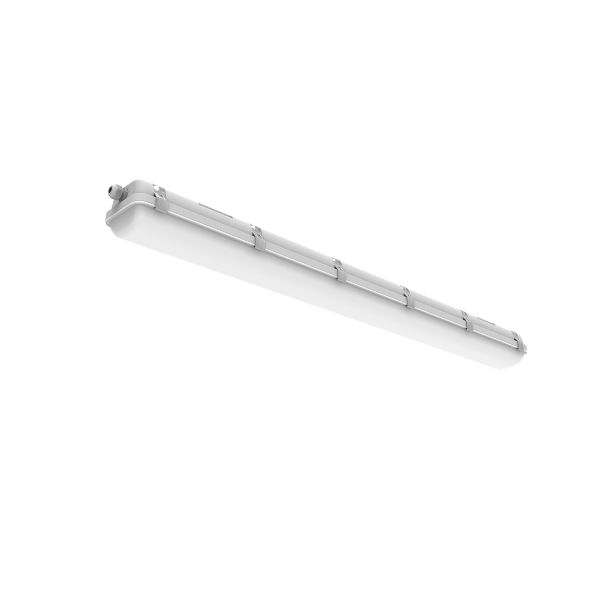
A waterproof LED light is a led light fixture designed for stronger protection against water ingress than a standard vaportight unit. These fixtures are made for harsh environments where direct rain, heavy spray, or washdown is expected. In many cases, they carry IP66 or IP67 ratings. That means they can resist powerful water jets, and some models can also handle temporary immersion, depending on the exact rating.
This is where many buyers get confused. Are LED vaportight lights considered waterproof or just water-resistant? In most project discussions, vaportight products are treated as water resistant sealed fixtures, while waterproof lighting is chosen for more severe exposure. Both can block dust ingress well, but waterproof lights are usually the better match for exterior industrial areas, washdown zones, and outdoor applications where the risk from water is higher.
Key Characteristics and Enhanced Protection Levels of Waterproof Lights
Waterproof lighting is defined by a higher protection level against water ingress. While vaportight fixtures can perform very well in damp or dirty areas, waterproof products are selected when the environment includes stronger spray, direct weather exposure, or repeated washdown. This difference matters when you compare LED vaportight vs waterproof light options for industrial use.
In ingress protection terms, IP66 means dust-tight and protected against powerful water jets. IP67 adds resistance to temporary immersion. That does not automatically make a fixture suitable for hazardous locations or explosion-proof service. Those applications require separate safety standards and certifications.
Typical waterproof lighting features include:
- Higher-rated seals for stronger water ingress resistance
- Dust-tight construction for dirty industrial environments
- Use in outdoor lighting and heavy wash areas
- Durable housings for harsh conditions and corrosion exposure
Typical Use Cases for Waterproof Lighting in Industrial Environments
Waterproof fixtures are used where moisture is constant, forceful, or unavoidable. These harsh environments demand reliable illumination, sealed electrical protection, and a fixture body that stands up to weather or aggressive cleaning. If the project team expects direct rain or strong hose-down cleaning, waterproof lighting is often the better fit.
Typical industrial and exterior uses include:
- Car washes and wash bays
- Tunnel lighting and exterior walkways
- Outdoor industrial facilities and coastal applications
- Pool areas and exposed service zones
- Heavy washdown environments with direct spray
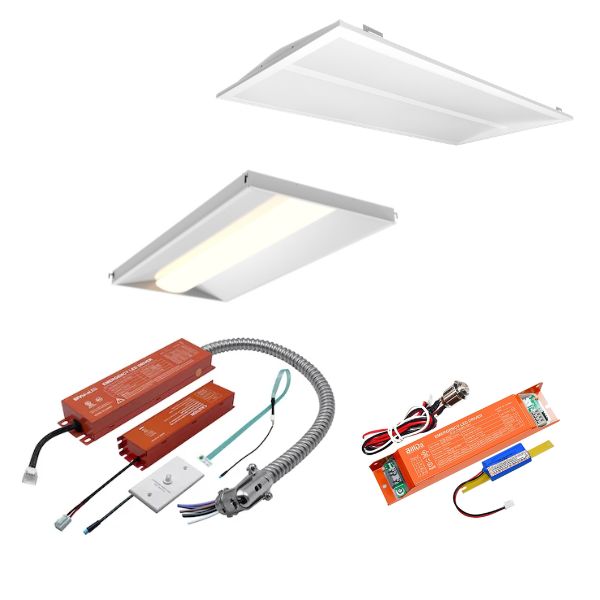
In larger spaces, waterproof high bay products may also be specified when mounting heights are significant and stronger environmental protection is required. Some project packages include emergency backup modules or other accessories, but the core buying decision still comes back to exposure level. If the fixture will face repeated water contact, waterproof lighting usually provides the safer margin.
Comparing LED Vaportight vs Waterproof Lights: Core Differences
The key differences between vapor proof lights and waterproof fixtures come down to exposure severity, IP rating, and intended installation environment. Both types of LED lighting support reliable lighting, energy savings, and long service life. Both also resist dust and moisture far better than standard fixtures.
Still, they are not interchangeable in every project. Vaportight fixtures are often the best choice for indoor commercial spaces with humidity, debris, and occasional spray. Waterproof fixtures are better suited to direct weather, stronger washdown, and more aggressive outdoor or industrial conditions.
Water Resistance, Dust Protection, and IP65 vs IP66/IP67 Explained
IP ratings are the fastest way to compare water resistance and dust protection. In the LED vaportight vs waterproof light debate, IP65 is common for vaportight products, while IP66 and IP67 are more common for waterproof lighting solutions. The higher second digit signals stronger resistance to water ingress. All three can offer strong dust ingress control.
Use this simple guide:
- IP65: dust-tight, protected against water jets
- IP66: dust-tight, protected against powerful water jets
- IP67: dust-tight, protected against temporary immersion
- Higher water rating usually means broader outdoor or washdown use
- The degree of protection should match the real site condition, not assumptions
| IP Rating | Dust Protection | Water Protection | Typical Fit |
|---|---|---|---|
| IP65 | Complete dust ingress protection | Water jets from any direction | Warehouse lighting IP65, parking garages, utility rooms |
| IP66 | Complete dust ingress protection | Powerful water jets | Industrial waterproof lighting, exterior service areas |
| IP67 | Complete dust ingress protection | Temporary immersion | Severe wet zones and demanding outdoor applications |
Installation Environments, Maintenance, and Cost Considerations
Installation environments shape the fixture choice. Indoor spaces such as warehouses, cold storage support rooms, and parking garages often use vaportight products because the installation requirements are straightforward and the protection level is usually sufficient. Outdoor environments, car washes, and exposed industrial zones often call for waterproof fixtures with stronger sealing.
From an ownership standpoint, both options reduce maintenance costs compared with traditional lighting. LEDs use less energy consumption, last about 50,000 hours or more in many products, and support low maintenance planning. Waterproof units may cost more when higher sealing and stronger materials are required, but they can prevent early failure in severe conditions.
Procurement teams should weigh:
- Exposure level and cleaning routine
- Expected maintenance access and labor cost
- Upfront price versus long-term cost savings
- Environmental impact and energy efficiency goals
Conclusion
In conclusion, understanding the differences between LED vaportight and waterproof lights is crucial for making informed decisions in commercial and industrial lighting applications. Vaportight fixtures are ideal for environments with high moisture and dust exposure, while waterproof lights are designed for harsher conditions with significant water ingress. Evaluating factors such as IP ratings, installation environments, and maintenance requirements will guide you in selecting the right fixture for your specific needs. By prioritizing these considerations, you can enhance safety, efficiency, and longevity in your lighting solutions. If you have further questions or need assistance, get in touch with our experts to find the perfect lighting solutions for your projects.
Frequently Asked Questions
Are LED vaportight lights considered waterproof or just water-resistant?
In most commercial discussions, vaportight lighting is treated as water resistant rather than fully waterproof. These lighting fixtures use sealed housings and good ingress protection, often around IP65, but the exact protection level depends on the product design and rating. Always verify specs before final selection.
When should I choose a vaportight LED fixture over a waterproof LED light?
Choose vaportight fixtures when your installation environments are indoors or covered and the main risks are humidity, dust, debris, and occasional spray. For many warehouses, parking garages, and utility spaces, they are the best choice because they provide durable LED lighting, energy efficiency, and lower operating demands.
Do vaportight and waterproof LED lights provide the same level of protection against dust and humidity?
Not always. Both types of LED light fixtures can provide strong dust ingress protection, but waterproof models usually offer a higher protection level against water ingress. Ingress protection ratings like IP65, IP66, and IP67 help show the difference, especially where humidity and direct spray vary by application.

Leave A Comment