
Key Highlights
- LED lights handle the unique challenges of cold storage better than traditional lighting.
- Proper lighting improves visibility in food storage areas and lowers the risk of accidents.
- Vapor tight cooler fixtures offer strong moisture resistance for damp, demanding environments.
- Efficient lighting cuts energy consumption, reduces energy savings losses, and gives off less heat.
- Lower heat output can reduce strain on refrigeration equipment and support better energy efficiency.
- Quality fixtures also help reduce maintenance costs while improving long-term reliability.
Introduction
Walk-in coolers need more than basic illumination. In cold environments, poor fixture choice can lead to weak output, early failure, and higher operating costs. That is why many contractors now move away from traditional lighting and specify purpose-built solutions instead. LED lighting has become the preferred option because it performs well in low temperatures, produces less heat, and supports safer, clearer visibility. If you source from China for U.S. and Canadian projects, choosing the right fixture details matters even more.
Understanding LED Vapor Tight Fixtures for Walk-In Coolers
Walk-in coolers create unique challenges for light fixtures. Cold environments, condensation, and frequent door openings can damage standard products fast. When poor lighting affects food storage spaces, staff work slower and the risk of accidents rises.
LED lights in a vapor tight complete fixture are built for reliable lighting where moisture resistance matters most. They give off less heat, support overhead lighting with optimal visibility, and help reduce energy consumption, energy costs, and strain on refrigeration equipment. The next sections explain what these fixtures are and why they fit cooler applications.
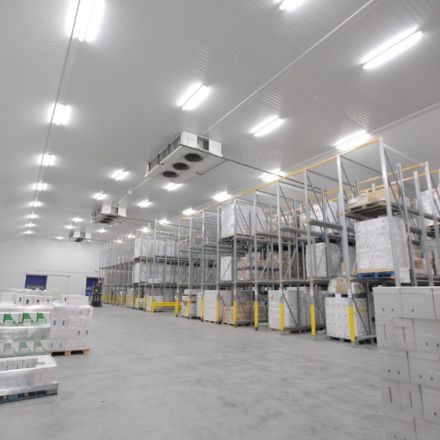
Definition and Features of LED Vapor Tight Fixtures
LED vapor tight fixtures are sealed light fixtures designed for damp, demanding spaces. For commercial walk-in coolers, they are one of the best types of lights because they combine led lights with strong moisture resistance and dependable output in low temperatures.
These cooler fixtures are commonly used in cold storage, food storage areas, and general storage spaces where food products must remain visible and safely handled. A sealed housing helps protect internal components from condensation and dust while supporting efficient lighting and steady performance.
Just as important, the right lighting reduces the risk of accidents and supports emergency lighting plans when required. Because these fixtures run with strong energy efficiency, they also lower energy costs and contribute to energy savings. In spaces with refrigeration units, that lower heat output is a practical advantage.
How LED Vapor Tight Fixtures Differ from Traditional Lighting
Regular lighting is usually a poor match for cold storage. Traditional lighting, especially fluorescent lights and incandescent bulbs, may struggle with startup, output, or lifespan in cooler conditions. That is why specialized led lighting is usually required rather than standard indoor products.
A vapor tight complete fixture is designed for temperature tolerance, moisture control, and long-term operation. It also gives buyers better control over color temperature and fixture performance for different cooler uses.
- Fluorescent lights may need warm-up time in cold rooms.
- Incandescent bulbs waste more power and add unwanted heat.
- LED lighting uses less energy and often lowers maintenance costs.
For contractors, this difference shows up in fewer callbacks, lower energy bills, and better energy savings. When you compare energy consumption over time, specialized fixtures clearly outperform standard options.
Key Benefits of Vapor Tight Fixtures in Cold Storage
LED lights perform very well in walk-in cooler environments because cold temperatures do not reduce their value the way they can affect older systems. In fact, these fixtures support reliable lighting and steady output in demanding cooler space conditions.
That performance matters because proper lighting improves handling, inspection, and movement around food products. When overhead lighting is clear and even, staff gain optimal visibility and the risk of accidents drops. Poor lighting does the opposite and can create avoidable operational problems.
- Sealed housings improve moisture resistance in cold rooms.
- Lower energy use supports stronger energy efficiency.
- Stable output helps maintain proper lighting across the space.
For owners and contractors, the result is better efficiency, practical energy savings, and dependable operation. In short, vapor tight fixtures solve the real problems that cold storage environments create.
Types of LED Fixtures for Walk-In Coolers
Not every walk-in cooler needs the same type of lighting. Fixture size, ceiling height, layout, and use all affect the best choice. LED lighting now gives contractors several options for proper lighting in both general storage rooms and more active work zones.
Some cooler fixtures are better for narrow aisles, while others fit overhead lighting in larger coolers with more open space. The right lighting should work with refrigeration equipment, shelf placement, and service access. The following fixture types are the most common choices.
Linear LED Vapor Tight Fixtures
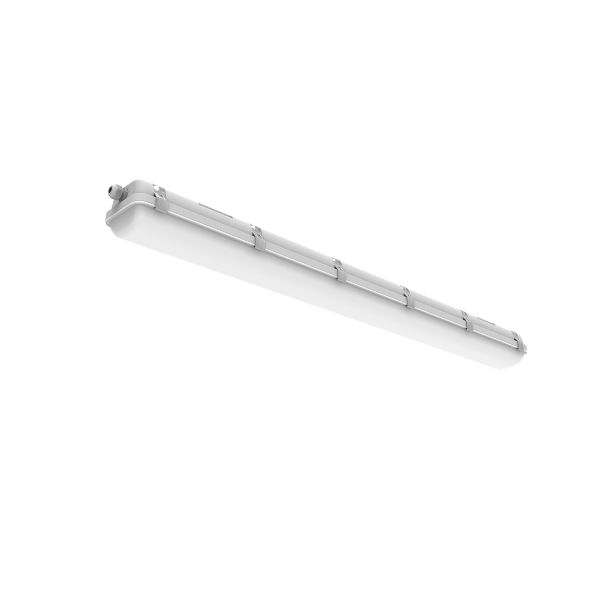
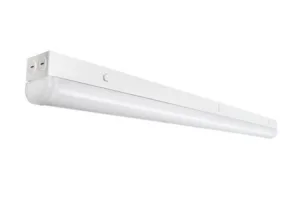
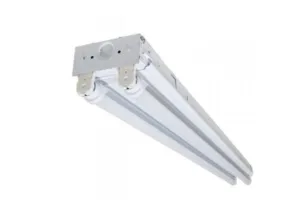
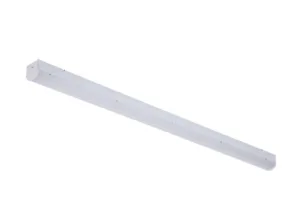
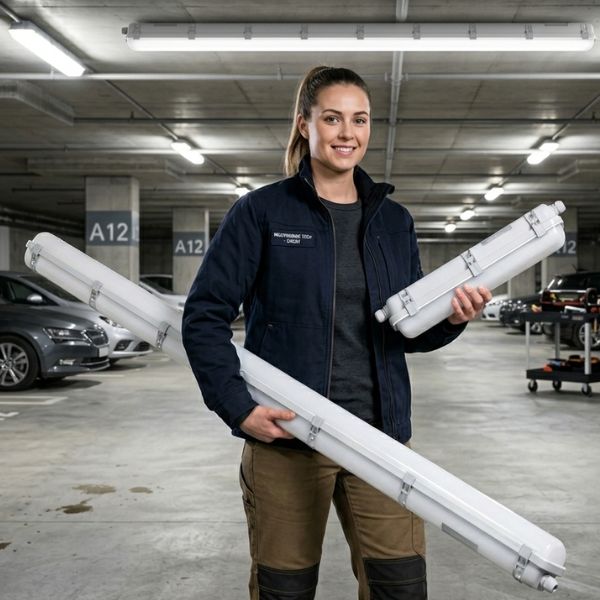
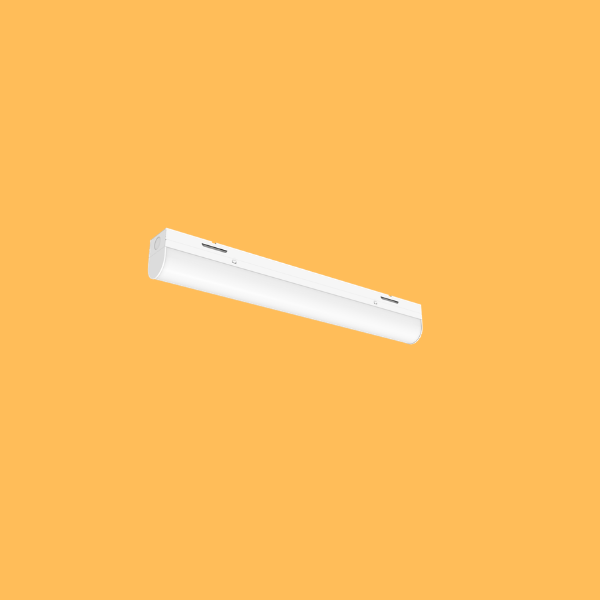
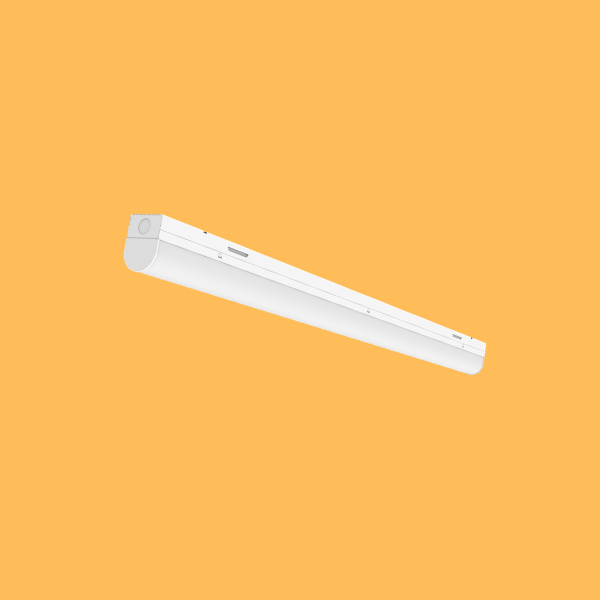
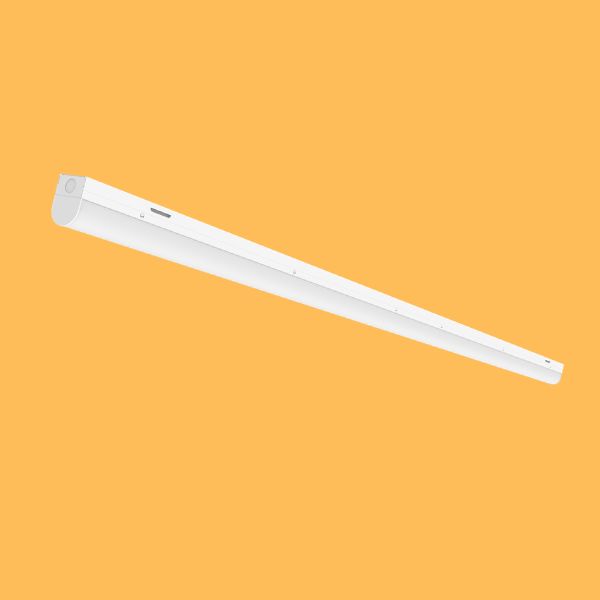
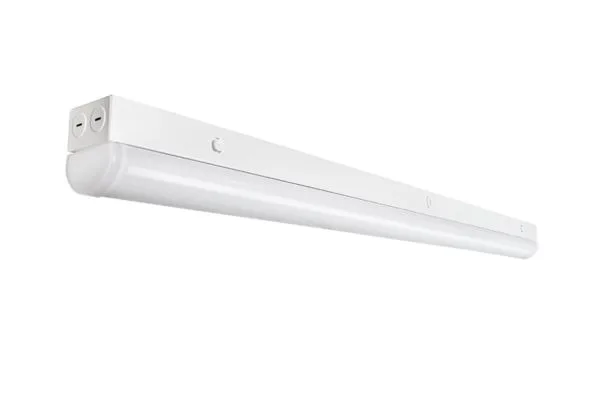
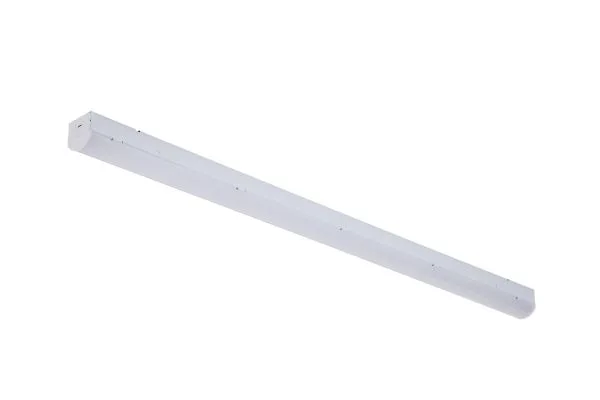
Linear led vapor tight fixtures are one of the most common products designed specifically for cold storage and freezers. They are often used as strip lights along ceiling centerlines to provide even overhead lighting across aisles and shelving.
In cold environments, this format works well because it spreads light consistently and supports optimal visibility in food storage areas. When dark spots are reduced, staff can move product more safely and the risk of accidents falls. For many standard cooler layouts, this is the simplest path to efficient lighting.
Another advantage is operating performance. These fixtures offer strong moisture resistance, produce less heat, and support good energy efficiency. That means solid energy savings over time, along with lower impact on the refrigerated space. For many contractors, linear vapor tight fixtures are the default answer.
High-Bay LED Fixtures for Large Coolers
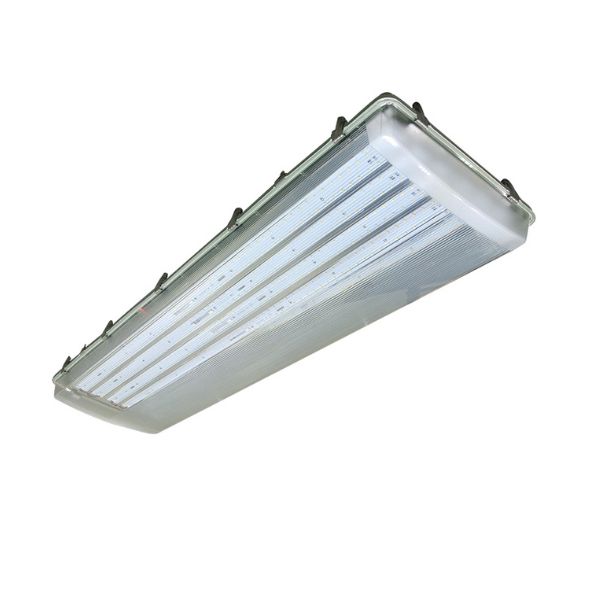
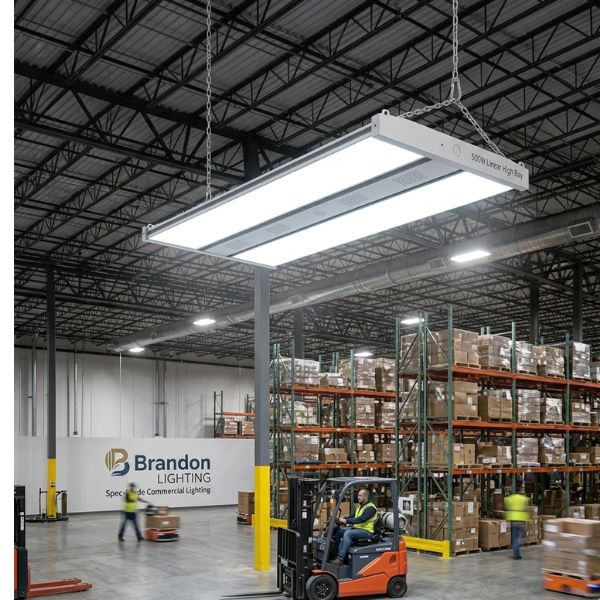
High-bay lighting is a better fit for larger coolers with wide layouts, significant overhead space, or higher ceilings. In these settings, standard linear products may not deliver enough spread or intensity at floor level.
This type of led lighting is useful in food processing rooms and large cooler space applications where visibility must remain strong across open areas. Contractors should match beam distribution and mounting height carefully so the fixture supports efficient lighting without over-lighting the room.
From a cost standpoint, the value comes from lower energy consumption and dependable output in cold environments. Good high-bay fixtures support energy efficiency and long-term energy savings while covering more space with fewer units. For bigger projects, that balance can simplify layout and installation planning.
Surface Mounted vs Suspended Fixture Options
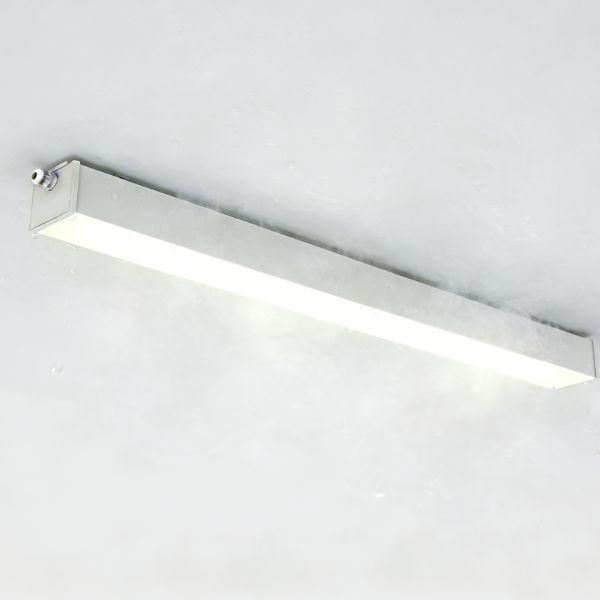
Mounting style affects fixture performance, service access, and light distribution. In cold storage projects, contractors often compare surface mount products with suspended fixtures based on room height, ceiling condition, and how the space is used for food storage.
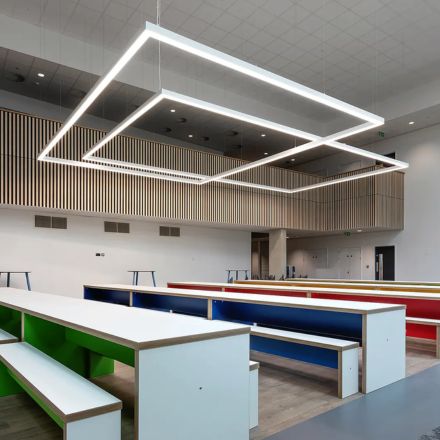
Surface mount options are common in compact walk-ins because they keep cooler fixtures tight to the ceiling. Suspended fixtures may work better when you need improved spread or want to position overhead lighting below obstructions.
- Choose surface mount when ceiling height is limited.
- Consider suspended fixtures for taller spaces needing broader coverage.
- Review washdown needs and maintenance access before final selection.
The main goal is proper lighting with practical installation. If the fixture fits the room, you improve efficient lighting and support energy efficiency without creating service problems later.
Selecting the Right LED Vapor Tight Fixture
Fixture selection should never be based on price alone. In cold storage, you need a product that matches the room size, operating temperature, and intended use. A poor match can reduce output, raise service issues, and increase the risk of accidents.
The best cooler fixtures balance led lighting performance, proper lighting levels, and strong temperature tolerance. They should also support energy efficiency in storage and food preparation areas. Before you order from any supplier, review the technical points below.
Lumen Output and Foot-Candle Requirements
Start with light levels, not fixture count. Lumen output should match the room size, shelf layout, and task type. If you do not provide enough light per square foot, the cooler space may look bright at the door but still feel dim where work happens.
For efficient lighting, general storage areas typically need lower levels than food prep areas. The goal is enough light for safe movement, clear product checks, and optimal visibility without wasting power. That is where fixture spacing and output matter.
Use these baseline targets during planning:
| Area Type | Recommended Light Level |
|---|---|
| General storage | 10-20 foot-candles |
| Food prep areas | 30-50 foot-candles |
| Common design target | 70-80 lumens per square foot |
| Efficiency reference | At least 40 lumens per watt |
When you compare fixture options, ask whether the stated lumen output still supports energy efficiency in actual mounting conditions.
Temperature Ratings for Cold Storage Environments
Temperature tolerance is one of the first specifications you should review. In cold storage, the fixture must be rated for the actual room conditions, not just standard indoor operation. If the product is installed below its limit, performance and service life can drop.
LED lights generally perform well in low temperatures, which is one reason they are widely used around food products and refrigeration units. For freezers, contractors often look for products rated down to -40°F. For coolers, lower ratings may still be enough, but the spec should always match the application.
This directly affects safety and cost. A fixture that starts reliably and holds output in the cold reduces the risk of accidents and avoids unnecessary energy consumption. Better product selection also protects energy efficiency over the long term.
Moisture and Dust Protection Standards
Cold rooms are not just cold. They are also wet, exposed to temperature swings, and often cleaned on a routine basis. That is why moisture resistance and dust protection matter so much in led lighting for colder environments.
For safer lighting in food storage areas, many buyers look for sealed housings with IP65 or higher protection. This helps prevent internal damage, electrical faults, and early failure. In cold storage, a well-sealed fixture supports both proper lighting and long-term reliability.
- Look for vapor tight housings with sealed gaskets.
- Check for IP65 or higher in damp cooler applications.
- Use non-glass, impact-resistant lenses where possible.
These details are not minor. They define whether a fixture is truly designed for freezers and coolers or simply marketed for them. Efficient lighting starts with the right level of enclosure protection.
Energy Efficiency and Cost Savings
Lighting choice affects more than the electric panel. In walk-in coolers, it also affects refrigeration load, service intervals, and long-term operating budgets. That is why energy efficiency should be part of every buying decision.
LED lights support efficient lighting with lower energy consumption, reduced maintenance costs, and less added heat inside the room. That combination can cut energy bills and lower total energy costs over time. The next sections show where those savings come from and how to estimate them.
Comparing Power Consumption of LED vs Fluorescent Fixtures
One of the clearest benefits of led lighting is lower power draw. Compared with fluorescent fixtures, LEDs usually need less energy to deliver proper lighting in a walk-in cooler. That matters every day the room is in use.
Cold conditions make the difference even more important. Traditional lighting such as fluorescents may require warm-up time, while LEDs provide more immediate output. With less energy going to waste, owners see stronger energy savings and more predictable performance.
- LED lights can save up to 75% on energy costs compared with older lighting.
- LEDs produce about 3.4 BTU/hour versus about 30 BTU/hour for fluorescents.
- Lower heat means the cooler adds less load to the refrigeration system.
For contractors and facility managers, the result is lower energy consumption, smaller energy bills, and a more efficient upgrade path.
Utility Rebates and Incentives for LED Upgrades
In many markets, utility rebates can improve the value of led upgrades. Some programs cover a meaningful share of project cost when the new system meets required energy efficiency targets. For owners, that shortens payback. For contractors, it can help close the job.
The key is documentation. Before work starts, record the existing fixtures, wattage, and layout. Gather product specifications for the replacement system and estimate energy savings from reduced operating load. Some rebate programs require approval in advance, so planning matters.
These incentives are worth checking because they stack with reduced maintenance costs and lower energy bills. When efficient lighting also lowers cooling demand, total cost savings can be stronger than many buyers expect. A good rebate strategy improves project economics fast.
Calculating ROI for Walk-In Cooler Lighting
A simple ROI estimate starts with wattage reduction. Compare the old system with the new fixture load, then multiply the difference by annual operating hours. That gives you a basic view of energy savings from lower energy consumption.
Next, include maintenance costs. LED lights usually last far longer than older systems, so fewer lamp or ballast changes reduce labor and service calls. If you are using retrofit kits, factor in the lower upfront cost. If you are replacing the full fixture, include that added investment.
Do not ignore cooling impact. Lower lighting heat means added cost savings because the refrigeration system has less heat to remove. When proper lighting is achieved with efficient lighting and reduced service needs, many walk-in cooler upgrades pay back within about two years.
Compliance and Certifications
Certifications are not just paperwork. In cooler projects, they help show that the fixture is suitable for the environment and acceptable for inspection. This is especially important in food storage areas, food prep areas, and other critical applications.
Buyers should review UL, NSF, and related certifications against local building codes and electrical codes before ordering. That step can reduce safety hazards, support food safety compliance, and avoid problems with the local inspector. Emergency lighting rules may also apply depending on the project.
UL, DLC, and NSF Certification Requirements
For commercial cooler projects, UL certification is a basic requirement. The complete fixture assembly should be listed for the intended environment, not just selected parts. That matters for electrical codes, inspection approval, and long-term confidence in the product.
If the fixture will be used around food storage or preparation, NSF certification may also be required. This supports food safety by confirming that the product is appropriate for sanitary environments. Smooth, cleanable surfaces and suitable materials are part of that value.
DLC can also matter when buyers want verified energy efficiency or plan to pursue rebates. In cold environments, these certifications help separate true commercial-grade products from general-purpose fixtures. For contractors buying from overseas factories, checking these documents before shipment is essential.
Meeting Food Safety and Health Regulations
Food safety rules affect more than refrigeration units and temperature logs. Lighting also matters because workers need clear visibility to inspect products, monitor cleanliness, and move safely in cold temperatures. In many sites, that means purpose-built fixtures are the smart choice.
Proper lighting in food storage areas supports safer handling and easier visual inspection. Where food preparation takes place, higher light levels may be required. That is why critical applications often specify sealed, easy-to-clean fixtures instead of ordinary indoor products.
Health regulations and sanitation expectations also favor materials that resist moisture and frequent cleaning. When you combine those needs with energy efficiency, LED vapor tight fixtures become a practical fit. They support compliance while reducing waste and helping maintain dependable light quality.
Emergency Lighting Codes for Commercial Coolers
Emergency lighting requirements can vary by project and jurisdiction. In a commercial setting, some walk-in coolers may not always require it, but relying on that assumption can create risk. If the main power fails while someone is inside, visibility becomes a serious safety issue.
Because local building codes and electrical codes differ, contractors should confirm requirements early. Even where not strictly required, emergency lighting can still be a strong safety upgrade for food storage areas and other enclosed spaces.
- Check code requirements with the local authority before installation.
- Consider battery-backup fixtures for safer exit visibility.
- Place controls and fixtures where they support fast orientation.
This approach reduces the risk of accidents and supports proper lighting during outages. It is a practical decision, not just a code question.
Installation Considerations for Contractors
Installation quality is just as important as fixture quality. Even the best product can fail early if wiring, sealing, or mounting is handled poorly. For contractors, cooler projects demand closer attention than many standard indoor jobs.
Wiring paths, fixture placement, and service access all affect proper lighting, safety, and energy efficiency. Whether you are using retrofit kits or planning a new construction project, the goal is the same: durable cooler fixtures that perform well in food storage environments. The next sections cover the main steps.
Wiring and Fixture Placement Best Practices
Good installation starts with layout. Fixture placement should provide even overhead lighting across aisles, doors, and shelf faces. If units are spaced poorly, shadows form quickly and optimal visibility drops, even when the lumen package looks strong on paper.
Centerline placement is often effective for standard cooler fixtures, especially with linear models. In larger rooms, additional rows may be needed to maintain proper lighting around storage racks and work zones. Think about how people actually move through food storage areas before finalizing the plan.
Wiring details matter too. Sealed conduit entries, proper drip loops, and protected connections help prevent moisture problems. Safe installation means matching the fixture to the environment, securing the mounting system correctly, and making sure the lighting design supports both energy efficiency and service access.
Safety Precautions During Installation
Cold rooms create real jobsite concerns. Moisture, slick floors, limited space, and metal surfaces can increase safety hazards during installation. Contractors should treat walk-in cooler work as a controlled environment, not a routine indoor task.
Before mounting or wiring fixtures, verify lockout procedures, stable ladder use, and clear access paths. It is also smart to review how the finished system will support proper lighting without creating future service risks. Efficient lighting begins with safe workmanship.
- Isolate power before opening or rewiring fixtures.
- Use mounting methods suited to cold storage surfaces.
- Keep work areas clear to reduce the risk of accidents.
These steps protect both workers and the finished project. In food storage spaces, careful installation also helps maintain cleanliness and long-term fixture reliability.
Retrofit vs New Construction Installations
Retrofit and new construction projects call for different strategies. In existing coolers, retrofit kits can be an economical way to improve led lighting if the housing is still sound. They often reduce disruption and shorten labor time.
New construction gives you more flexibility. You can plan spacing, mounting style, and controls around the cooler from day one. That usually leads to better proper lighting and stronger overall energy efficiency. Full fixture replacement can also improve sealing and long-term reliability.
- Use retrofit kits when existing bodies remain structurally suitable.
- Choose full replacement when seals, ballasts, or housings are failing.
- In new construction, design around layout, service access, and use.
For many projects, the right path depends on condition, budget, and expected maintenance costs. Either way, the goal is better energy savings and reliable performance in food storage spaces.
Maintenance and Longevity of LED Fixtures
Long service life is one of the biggest reasons buyers choose LED fixtures for walk-in coolers. In the right environment, they can run for years with minimal attention. That helps reduce maintenance costs and supports stable operation.
Still, longevity depends on product quality, sealing, and upkeep. Cooler fixtures used in food storage spaces must stay clean, dry inside, and mechanically secure. Good maintenance protects energy efficiency, preserves efficient lighting, and reduces the risk of accidents caused by dim or failed fixtures.
Lifespan of LED Vapor Tight Fixtures
The average lifespan of LED lights in walk-in cooler applications is often much longer than older lighting systems. In compiled project guidance, LED fixtures commonly reach 35,000 to 70,000 hours, and many perform especially well in colder environments.
That long lifespan is one reason they are so attractive for cold storage and food storage areas. When the fixture is properly sealed and correctly rated, led lights maintain efficient lighting with less frequent replacement. That directly lowers maintenance costs and reduces service interruptions.
Still, not every component ages at the same rate. Driver quality, condensation control, and product design all influence real-world lifespan. For contractors sourcing products, it is smart to review warranty terms and cold-rating details closely. Better specs usually lead to better long-term energy efficiency and reliability.
Cleaning and Upkeep in Cold Storage
Maintenance in a cooler should be simple and consistent. The main goals are cleaning exterior surfaces, checking seals, and confirming that the fixture still delivers proper lighting. In food storage spaces, that routine matters for both appearance and performance.
Good upkeep helps preserve moisture resistance and avoid internal damage from condensation. It also helps protect led lighting output and long-term energy efficiency. Instead of waiting for failures, contractors and facility teams should inspect fixtures on a set schedule.
- Wipe housings with suitable food-safe cleaning solutions.
- Check gaskets for cracks, compression, or wear.
- Replace failed drivers or modules with matching rated parts.
This approach lowers maintenance costs and supports cleaner, safer operation. When replacement is needed, always use components that match the original cold-room application.
Conclusion
In summary, selecting LED vapor tight fixtures for walk-in coolers is essential for both energy efficiency and safety. These specialized lights not only provide optimal illumination in challenging environments but also align with industry standards and regulations. A thorough understanding of the different types, their features, and installation considerations will enhance your decision-making process. By making informed choices, you can significantly reduce energy costs while ensuring compliance with health and safety guidelines. If you’re ready to elevate your lighting solutions, sign up today to explore the best options available for your needs.
Frequently Asked Questions
Are regular lights suitable for walk-in coolers, or is specialized LED lighting required?
Regular indoor fixtures are usually not the best choice for cold storage. Traditional lighting may struggle with moisture, startup, and service life. Specialized led lighting with proper moisture resistance and low-temperature ratings is the safer option and usually delivers better energy efficiency over time.
What are the average maintenance requirements and replacement intervals for LED fixtures?
LED lighting in cold environments usually needs routine cleaning, gasket checks, and occasional driver inspection rather than frequent lamp replacement. Because the lifespan is often far longer than older systems, maintenance costs are lower, and efficient lighting can continue for many years before full fixture replacement is needed.
Are dimmable LED vapor tight fixtures available for walk-in cooler applications?
Yes, dimmable fixtures are available in the market, but for cold storage projects you should confirm that dimming controls and fixture components are rated for the environment. The key is choosing led lights that maintain efficient lighting and energy efficiency without compromising low-temperature performance.








Leave A Comment