
Key Highlights
- LED lighting is essential for food processing facilities, enhancing both food safety and operational efficiency.
- Proper lighting solutions in the food industry must meet strict hygiene and compliance standards.
- Key certifications like NSF, ETL, and UL ensure that lighting fixtures are safe for food environments.
- Food-grade LED lighting is designed to withstand harsh washdown procedures, unlike standard industrial lights.
- Switching to LED technology significantly lowers energy consumption and reduces operational costs.
- The durability and long lifespan of LEDs lead to decreased maintenance needs in food processing plants.
Introduction
In the highly regulated food industry, every detail matters, and lighting is no exception. Proper illumination is critical not just for visibility but for ensuring the safety and quality of products. For any food processing facility, choosing the right lighting is a decision that impacts everything from hygiene to your bottom line. This guide will explore the best practices for implementing food processing LED lighting, detailing why it is a superior choice for meeting the stringent demands of the modern food industry.
Why LED Lighting Is Essential in Food Processing Facilities
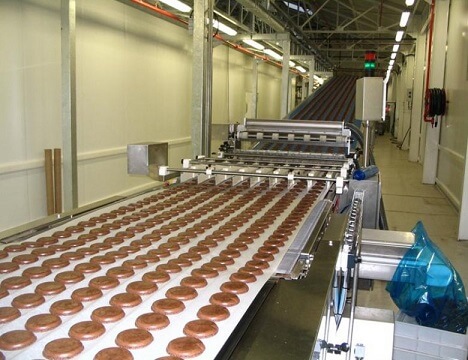
The move to LED lighting in food processing facilities is driven by the need for safer, more efficient operations. Unlike traditional lighting, LEDs provide bright, consistent light that helps workers spot contaminants and maintain high standards of cleanliness, directly supporting food safety protocols. These advanced lighting solutions are built to endure the demanding conditions of these environments.
Furthermore, the energy efficiency of LED technology offers significant financial benefits. By consuming less power and having a much longer lifespan, LEDs reduce both electricity bills and maintenance costs. This makes them a smart and sustainable choice for any business in the food industry looking to improve operations while managing expenses effectively. We will now look at how these lights impact hygiene and costs.
Advantages for Hygiene, Safety, and Compliance
Specialized LED lighting plays a crucial role in upholding the strict hygiene and cleanliness standards required in food processing. Food-grade fixtures are designed with smooth, non-porous surfaces that prevent the buildup of bacteria and are easy to clean. This design minimizes the risk of contamination, which is a top priority for any food-handling environment.
Good lighting also enhances workplace safety. Bright, uniform illumination reduces shadows and allows employees to operate machinery and inspect products accurately, lowering the risk of accidents. To ensure compliance, many facilities must adhere to specific lighting standards set by regulatory bodies. Fortunately, many government programs and incentives support the transition to safer, compliant lighting. The primary advantages include:
- Shatterproof materials to prevent contamination from broken parts.
- Sealed designs that protect against dust and moisture.
- Compliance with food safety regulations and standards.
- Improved visibility for quality control and inspections.
By investing in compliant LED lighting, you create a safer environment for both your products and your team. This proactive approach helps your facility pass inspections and maintain a strong reputation for quality.
Impact on Energy Efficiency and Operational Costs
One of the most compelling reasons to switch to LED lighting is its remarkable energy efficiency. LEDs consume significantly less energy than traditional lighting sources like fluorescent or metal halide bulbs to produce the same level of brightness. This reduction in power usage translates directly into lower electricity bills, which can have a major impact on a facility’s operational costs.
The long-term savings extend beyond just energy consumption. LED fixtures have an exceptionally long lifespan, often lasting 50,000 hours or more. This durability means fewer replacements and reduced maintenance needs. Consider these benefits:
- Up to 70% reduction in energy use compared to conventional lighting.
- Potential eligibility for rebates from utility companies.
- Lower labor costs associated with frequent bulb changes.
Ultimately, upgrading to LED lighting is a strategic move toward greater sustainability and financial health. The initial investment is quickly offset by substantial savings, making it a wise choice for any food processing operation looking to optimize its budget.
Key Certifications and Standards for LED Lighting in Food Processing
When selecting LED lighting for a food processing environment, it’s not enough to simply choose a bright and efficient fixture. You must ensure the lights meet specific regulatory requirements to guarantee safety and compliance. Certifications from recognized organizations indicate that a product has been tested and approved for use in these specialized settings.
Key standards from bodies like NSF International, Underwriters Laboratories (UL), and Intertek (ETL) are crucial. These certifications confirm that the lighting fixtures are designed to be cleanable, durable, and free of hazardous materials. Understanding these standards is essential for making an informed decision that protects your products, employees, and business. The following sections will provide more detail on these important certifications.
Understanding NSF Certification for Food-Safe Fixtures
NSF International is a key organization that sets public health standards for products used in food environments. An NSF certification on a light fixture means it has been rigorously tested and is deemed safe for use in food processing, preparation, and storage areas. This certification is a trusted mark within the food industry, signaling that a product meets strict criteria for design and material safety.
How do NSF certified LED fixtures improve safety? They are built to be easily cleaned and sanitized, with smooth surfaces that do not harbor bacteria or other contaminants. The fixtures are also required to be shatterproof and constructed from non-toxic, corrosion-resistant materials. This prevents broken glass or harmful chemicals from contaminating food products. The NSF has different zones of compliance, which are important to understand.
| NSF Zone | Description |
|---|---|
| Food Zone | Areas where fixtures may come into direct contact with food. These require the highest level of sanitation. |
| Splash Zone | Areas where fixtures are exposed to moisture and splashes during cleaning but do not directly contact food. |
| Non-Food Zone | General areas within the facility, like storage rooms or offices, with less stringent requirements. |
Choosing fixtures with the appropriate NSF rating for each area ensures your facility remains compliant and sanitary.
Compliance with FDA, ETL, and Other Regulatory Requirements
Beyond NSF, several other regulatory requirements are important for LED lighting in food processing. While the Food and Drug Administration (FDA) doesn’t directly certify lighting, it sets the overall food safety regulations that facilities must follow, making the choice of compliant lighting fixtures essential. Certifications from bodies like ETL and UL confirm that products meet North American safety standards.
An ETL Listed mark, for instance, indicates that a product has been tested by Intertek and complies with accepted national standards. If a light is “ETL Listed to NSF Standard 2,” it means ETL has certified that the fixture meets all the requirements of that specific NSF standard. This cross-certification is common and provides an extra layer of assurance. Similarly, UL certification is another widely recognized mark of safety and reliability.
To ensure full compliance, look for fixtures with the following marks:
- NSF: For sanitation and food-safe design.
- ETL or UL: For electrical safety and construction standards.
- IP Rating: Indicates protection against dust and water ingress.
Adhering to these regulatory requirements is not just about following rules; it’s about creating a fundamentally safe environment for food production.
Features of Food-Grade LED Lighting Fixtures
Food-grade LED lighting fixtures are specifically engineered to meet the unique challenges of food processing environments. Unlike standard lights, these fixtures incorporate specialized features that prioritize hygiene, safety, and durability. Their design focuses on preventing contamination and withstanding rigorous cleaning protocols, which are daily occurrences in the food industry.
The materials and construction of these lighting fixtures are central to their functionality. They use non-toxic, corrosion-resistant components and are sealed to prevent the entry of moisture, dust, and pests. This focus on robust engineering ensures that the lights not only support food safety but also contribute to long-term sustainability and operational excellence. Let’s examine some of these features more closely.
Construction Suitability for Washdown Areas
Food processing facilities require frequent and intense cleaning, often involving high-pressure, high-temperature water jets. These washdown areas demand lighting fixtures that can withstand such harsh conditions without failing or becoming a safety hazard. The construction of food-grade LED lighting is specifically designed for this purpose. The fixtures are sealed tightly to prevent water from entering the internal electronics.
A key indicator of a fixture’s suitability for washdown areas is its Ingress Protection (IP) rating. An IP65 rating means the fixture is protected against low-pressure water jets, while an IP69K rating signifies it can handle close-range, high-pressure, high-temperature spray-downs. This level of protection is essential for maintaining a sanitary environment. Features that make an LED light fixture suitable include:
- A high IP rating, such as IP65, IP66, or IP69K.
- Durable, corrosion-resistant housing made of materials like aluminum.
- Shatterproof polycarbonate lenses instead of glass.
- A smooth, seamless design that sheds water and debris.
These construction details ensure that the lighting fixtures continue to operate reliably even after repeated, aggressive cleaning, making them a perfect fit for the demanding needs of the food processing industry.
Differences Between Standard Industrial and Food-Grade LED Lighting
While both standard industrial and food-grade LED lighting are built for durability, there are critical differences rooted in food safety. Standard industrial lighting is designed to withstand tough conditions like dust and impact in warehouses or manufacturing plants. However, it does not have to meet the stringent sanitation requirements of the food processing industry.
Food-grade LED lighting, on the other hand, is engineered with hygiene as a top priority. Every aspect of its design, from the materials used to the shape of the housing, is intended to prevent contamination. The key distinctions include:
- Materials: Food-grade fixtures use non-toxic, corrosion-resistant materials, while standard lights may not.
- Design: Food-grade lights have smooth, crevice-free surfaces to prevent bacteria buildup, a feature often absent in standard industrial fixtures.
- Certifications: Food-grade lighting must carry certifications like NSF, which are not required for standard industrial use.
Ultimately, the choice between the two depends entirely on the application. For any environment where food is handled, processed, or packaged, using certified food-grade LED technology is not just recommended—it is essential for compliance and safety.
Conclusion
In summary, implementing LED lighting in food processing facilities is not just a matter of visibility; it plays a crucial role in maintaining hygiene, safety, and compliance with regulatory standards. The advantages of energy efficiency and operational cost savings further solidify the case for making this transition. By understanding the specific certifications and features that food-grade LED fixtures require, you can ensure that your facility meets all necessary guidelines while enhancing overall productivity. Prioritizing the right lighting solutions will not only support food safety inspections but also foster a healthier working environment. If you’re ready to upgrade your facility’s lighting, get in touch with us for expert advice and support tailored to your needs.
Frequently Asked Questions
What should I consider when installing LED lighting in a commercial kitchen or food processing plant?
When installing LED lighting, prioritize fixtures with NSF certification to ensure they are food-safe. Consider the IP rating for washdown compatibility, the Correlated Color Temperature (CCT) for accurate color rendering, and overall compliance with food safety regulations. Proper lighting solutions will improve both safety and operational efficiency.
How does LED lighting support food safety inspections and regulations?
LED lighting supports food safety inspections by providing bright, uniform light that makes it easier to spot contaminants or spoilage. Fixtures with NSF certification and high IP ratings demonstrate compliance with health regulations, as they are designed to be hygienic, easy to clean, and durable in food processing environments.
Are LED lights cost-effective for food processing and beverage facilities?
Yes, LED lighting is highly cost-effective. The significant energy efficiency of LEDs drastically reduces electricity bills, and their long lifespan minimizes replacement and maintenance costs. These savings on operational costs make them a financially sound investment for any facility in the food and beverage industry.


Leave A Comment