
Key Highlights
- LED linear lights are versatile, modern lighting solutions perfect for commercial spaces.
- These lighting fixtures offer significant energy efficiency, leading to lower electricity bills.
- Compared to traditional options, they have a much longer lifespan, reducing maintenance costs.
- LED linear light fixtures provide uniform, consistent illumination, improving visibility and aesthetics.
- They come in various styles, including suspended and surface-mounted, to fit any interior design.
- Customizable options like color temperature and dimming allow you to create the perfect ambiance.
Introduction
Modern lighting technology has transformed how we illuminate commercial spaces, with LED linear lights emerging as a leading choice. These fixtures offer a powerful combination of versatility, efficiency, and aesthetic appeal, catering to a wide array of applications. For businesses looking to upgrade their lighting, understanding the benefits and features of LED linear lighting is crucial. This guide will explore what makes these lights an ideal solution for offices, retail stores, and other commercial environments, helping you make an informed decision for your space.
What Are LED Linear Light Fixtures?
LED linear light fixtures are defined by their long, slender shape, which houses a series of light-emitting diodes (LEDs) to produce a continuous and uniform strip of light. This design distinguishes them from traditional point-source lighting, like incandescent bulbs, by providing broader, more even coverage.
Thanks to advanced LED technology, these fixtures are known for their efficiency and durability. Linear lighting is not just functional; it also offers a clean, modern aesthetic, making linear LED fixtures a popular choice for contemporary commercial and residential settings.
Basic Structure and Technology Behind LED Linear Lights
The core of a linear LED fixture is the arrangement of LEDs on a circuit board, housed within a long, typically aluminum, casing. This structure acts as a heat sink, drawing heat away from the LEDs, which is crucial for maintaining their long lifespan and performance. A diffuser, often made of polycarbonate, covers the LEDs to soften and distribute the light evenly, preventing harsh glare.
The primary benefit of this LED technology is its remarkable energy efficiency. Unlike traditional bulbs that waste energy as heat, LEDs convert a much higher percentage of electricity into light. This means they use significantly less power to produce the same amount of brightness, leading to substantial cost savings.
Furthermore, the longevity of LED fixtures is a major advantage. They can last for tens of thousands of hours, drastically reducing the need for frequent replacements and lowering maintenance efforts. This combination of efficiency, durability, and superior light quality makes linear LED fixtures a smart investment over traditional lighting.
Comparison with Traditional Lighting Technologies
When compared to traditional lighting, the advantages of LED lighting become clear, especially in terms of energy consumption and lifespan. Incandescent bulbs are notoriously inefficient, converting most of their energy into heat rather than light. Fluorescent bulbs are more efficient than incandescent ones but contain hazardous mercury and have a shorter lifespan than LEDs.
LED linear fixtures outperform both. They consume far less energy, which directly translates to lower electricity bills and a smaller environmental impact. Their extended lifespan also means fewer replacements and less waste.
This table highlights the key differences:
| Feature | LED Linear Lighting | Fluorescent Lighting | Incandescent Lighting |
|---|---|---|---|
| Energy Consumption | Very Low | Low to Medium | Very High |
| Lifespan (Avg. Hours) | 50,000+ | 10,000 – 20,000 | 1,000 – 2,000 |
| Heat Emission | Very Low | Low | High |
| Durability | High | Medium | Low |
Key Benefits of Using LED Linear Light Fixtures in Commercial Spaces
For commercial spaces, the switch to LED linear lighting solutions provides a multitude of compelling benefits. The most significant advantage is the drastic improvement in energy efficiency, which directly reduces operational expenses. This makes them a financially savvy choice for any business aiming to cut costs.
Beyond savings, these fixtures offer superior longevity, which minimizes maintenance costs and disruptions. Their reduced energy use also lowers a company’s environmental impact. In the following sections, we will look closer at how these benefits translate into tangible value for your business.
Energy Efficiency and Cost Savings Over Time
One of the most praised features of LED linear lights is their exceptional energy efficiency. These fixtures consume significantly less energy to produce the same level of brightness as their traditional counterparts. This efficiency means you can illuminate your space effectively while using a fraction of the power.
This reduction in energy use has a direct and positive impact on your bottom line. Lower energy consumption leads to substantially lower electricity bills, allowing your business to save a considerable amount of money over the life of the fixtures. The initial investment is quickly offset by these ongoing savings.
Moreover, by using less energy, your business reduces its carbon footprint. Choosing energy-efficient lighting is a simple yet impactful step toward creating a more sustainable operation. It demonstrates a commitment to environmental responsibility while also improving your financial performance.
Longevity and Low Maintenance Features
The long lifespan of LED fixtures is another key advantage for any commercial setting. An average LED linear light can operate for 50,000 hours or more, which is many times longer than fluorescent or incandescent bulbs. This durability means you won’t have to worry about changing bulbs for years.
This extended life results in significantly lower maintenance costs. With fewer replacements needed, you save money on both new bulbs and the labor required to install them. This is particularly beneficial in commercial spaces with high ceilings or hard-to-reach areas where changing a light fixture can be a complex and costly task.
Because LED fixtures use less power and are built with durable components, they are highly reliable. This dependability ensures your spaces remain consistently well-lit without the frequent interruptions caused by burnt-out bulbs, creating a safer and more productive environment.
Factors to Consider When Choosing LED Linear Light Fixtures
Selecting the right LED fixtures for your commercial applications involves more than just picking a design. To achieve the best results, you need to assess your specific lighting requirements carefully. Factors such as the size of the space, the tasks performed within it, and the desired atmosphere all play a crucial role in your decision.
By understanding the key technical aspects of linear lighting, you can ensure your choice provides optimal performance and value. We’ll now examine important considerations like sizing, layout, light output, and control options to help you choose the perfect lighting solution.
Sizing and Layout for Optimal Illumination
To choose the right LED linear fixture, start by evaluating your space’s dimensions and lighting requirements. The length of the fixtures and their placement are critical for achieving uniform lighting. For large, open areas, longer fixtures or continuous runs of interconnected lights can prevent dark spots and create a seamless look.
Consider the ceiling height as well. In spaces with high ceilings, you may need fixtures with higher light output or a suspended installation to ensure adequate brightness reaches the floor. Conversely, in areas with lower ceilings, surface-mounted fixtures can provide ample light without feeling intrusive. A well-planned layout is essential for even distribution.
Because of the wide range of sizes available, from 2ft to 8ft and beyond, linear LEDs are suitable for many different applications. Whether you are lighting a long hallway, a large office, or a retail display, planning the layout based on the fixture size will ensure you get the best possible illumination for your needs.
Light Output, Color Temperature, and Controls
When replacing existing fixtures, it’s vital to consider light output, measured in lumens. You need to ensure the new LED fixtures provide at least as much brightness as the old ones. Look for options with adjustable wattage or lumens to fine-tune the light output for different areas.
Color temperature, measured in Kelvin (K), determines the look and feel of the light, from warm white (around 3000K) to cool white (5000K or more). Offices often benefit from neutral or cool white light (4000K-5000K) to promote alertness, while retail or hospitality spaces might prefer warmer tones. Many modern fixtures offer tunable color temperatures for maximum flexibility.
Finally, explore lighting options for control. Dimmable fixtures allow you to adjust brightness, saving energy and setting the mood. Integrating your lights with smart lighting systems offers even greater control, with features like scheduling and motion sensors. These considerations ensure you get consistent illumination tailored to your exact needs.
Popular Design Styles and Applications for Modern Commercial Spaces
The sleek, clean lines of linear lighting fixtures make them a favorite choice for modern lighting solutions in commercial spaces. Their minimalist design complements contemporary interior design, adding a touch of sophistication to offices, retail stores, and galleries. Linear LED lighting is not just functional; it is a design element in itself.
From creating dramatic focal points to providing subtle ambient light, the versatility of these fixtures is unmatched. In the sections below, we will explore the different installation styles and how they can be integrated into various commercial environments to enhance both function and form.
Surface-Mounted vs. Suspended LED Linear Lights
One of the key decisions when selecting linear light fixtures is the installation method. The two most popular options are surface-mounted and suspended, each offering distinct aesthetic and functional benefits.
Surface-mounted fixtures are installed directly onto the ceiling. This style is ideal for spaces with lower ceiling heights, as it provides a clean, unobtrusive look that maximizes headroom. It’s a straightforward and versatile option for providing general ambient lighting.
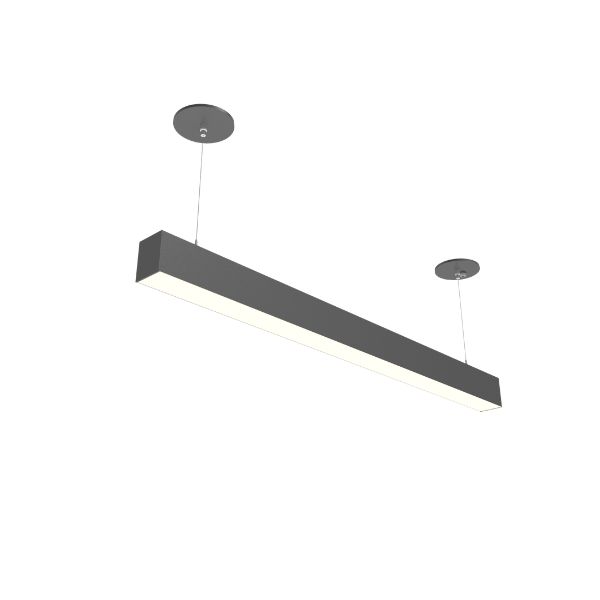
Suspended fixtures, also known as pendant lights, hang from the ceiling via cables or rods. This installation method is perfect for spaces with high or open ceilings, as it brings the light source closer to the task area. Suspended lights can also create a dramatic design statement. Many modern fixtures offer both direct (downward) and indirect (upward) light distribution to illuminate the entire space beautifully.
Key installation options include:
- Surface-Mounted: Attached directly to the ceiling.
- Suspended: Hung from the ceiling with cables or rods.
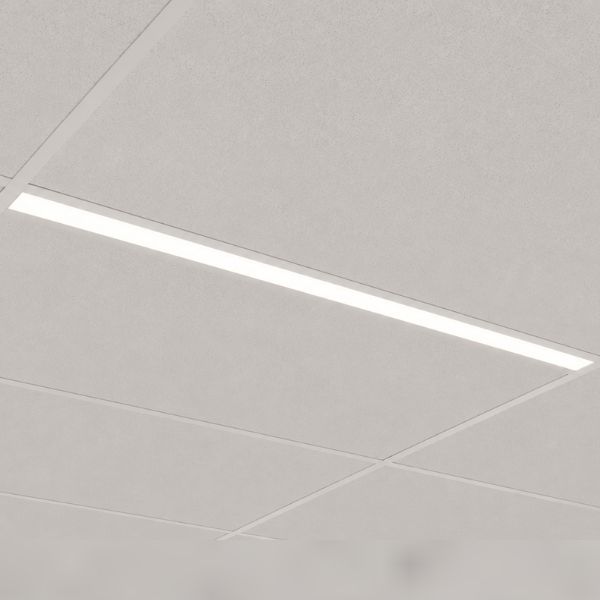
- Recessed: Installed flush within the ceiling for a seamless look.
Integrating LED Linear Fixtures with Contemporary Interior Designs
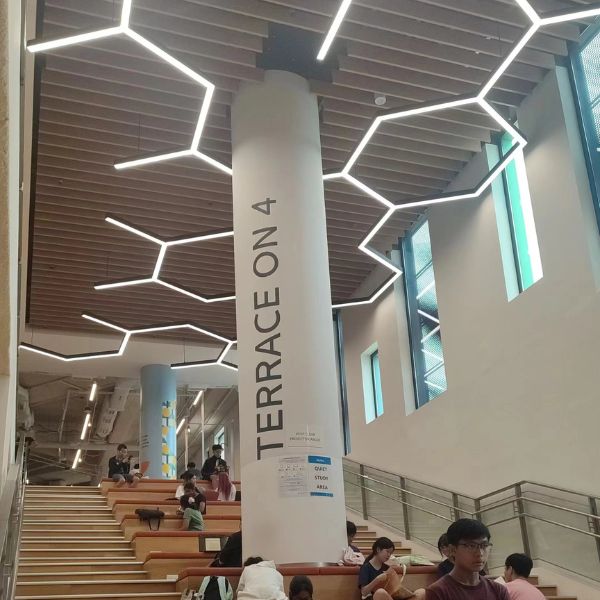
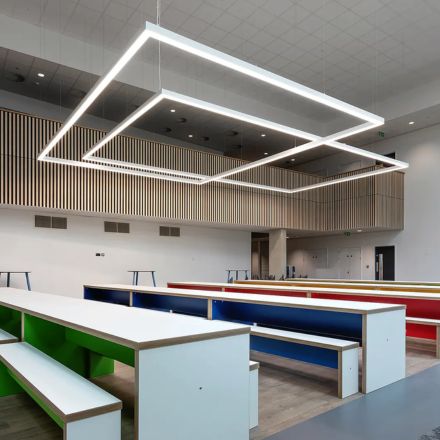
LED linear fixtures are a powerful tool for enhancing contemporary interior design. Their simple, geometric form complements minimalist aesthetics and can be used to define spaces, guide movement, or create striking visual patterns. You can arrange them in straight lines, L-shapes, T-shapes, or even custom configurations to match your design vision.
The aesthetic appeal of these lighting solutions goes beyond their shape. By choosing the right color temperature, you can dramatically affect the ambiance of a space. For example, a warm light can make a reception area feel welcoming, while a crisp, cool light can create a productive atmosphere in an office. The clean lines of the fixtures work to elevate the overall design.
In modern commercial environments, lighting is no longer just about illumination; it’s about creating an experience. Popular styles include sleek, black or white aluminum fixtures for a minimalist look, as well as up-down lights that cast light both upwards and downwards, adding depth and dimension to a room.
Conclusion
In conclusion, LED linear light fixtures are an invaluable addition to modern commercial spaces, offering not only energy efficiency and cost savings but also a sleek aesthetic that complements various design styles. Their longevity and low maintenance requirements make them a smart investment for businesses looking to enhance their environments while minimizing operational costs. By carefully considering factors such as sizing, light output, and integration with contemporary designs, you can create an optimal lighting solution that meets your specific needs. If you’re ready to upgrade your lighting, get quotes today to explore the best options for your commercial space.
Frequently Asked Questions
Are dimmable options available for LED linear light fixtures?
Yes, many LED linear lights are available with dimmable options. This feature allows you to adjust the brightness to save energy and create the desired ambiance. For advanced control, some lighting systems can be integrated with smart lighting systems, enabling features like scheduled dimming and remote operation.
How long do LED linear light fixtures typically last?
High-quality LED linear light fixtures have a very long lifespan, typically rated for 50,000 hours or more. Thanks to advanced LED technology, this durability means fewer replacements and significantly lower maintenance costs over time compared to traditional lighting sources, making them a cost-effective choice for any business.
Where can I buy high-quality LED linear light fixtures online?
You can find a wide range of high-quality linear LED fixtures online at Brandon Lighting. We offer a comprehensive selection of lighting solutions designed for commercial spaces, featuring various styles, sizes, and customizable options. Visit our website at https://brandon-lighting.com to explore our products and find the perfect fixtures for your project.


Leave A Comment