
Key Highlights
- Architectural lighting enhances both residential and commercial spaces by integrating lighting design with architectural features to improve aesthetics and functionality.
- Effective lighting design, including ambient lighting and accent lighting, significantly impacts the mood, energy efficiency, and overall well-being of occupants.
- The main types of architectural lighting include recessed, track, and monorail systems, each offering unique solutions for interior and exterior applications.
- Careful planning is essential for successful architectural lighting, involving the selection of appropriate fixtures and techniques to meet project goals.
- Current trends emphasize energy efficiency, with LED technology and smart controls playing a key role in modern lighting projects.
Introduction
Architectural lighting has become a transformative element in modern building design, moving beyond simple illumination to shape and define spaces. Its role is increasingly recognized as crucial for creating environments that are not only functional but also aesthetically compelling and emotionally resonant. This guide will explore the benefits of integrating professional lighting design into your building projects, highlighting how strategic illumination can elevate a structure from ordinary to extraordinary.
Understanding Architectural Design Lighting
Architectural lighting is a specialized field that merges art and science to create a cohesive lighting system within a building. It focuses on using light to enhance architectural elements and support the intended function of a space, making it a critical component of modern construction.
Unlike basic illumination, architectural lighting design is intentional and integrated. It sculpts spaces, highlights architectural features, and creates specific moods. We will now look at its core principles and how it differs from standard lighting solutions.
Definition and Core Principles of Architectural Lighting
Architectural lighting is the practice of integrating light with the form and structure of a building. It represents the intersection of art and technical precision, where illumination is used to define space, accentuate architectural features, and create a specific atmosphere. The primary objective of architectural lighting design is to craft a visual experience that complements the building’s purpose.
This discipline rests on core principles that guide every decision. The concept of “form follows function” is central, ensuring each light source serves a deliberate purpose, whether for tasks, ambiance, or highlighting architectural elements. This approach transforms lighting from a mere utility into an integral part of the design narrative.
Ultimately, great lighting design adds visual interest and brings architectural elements to life. By carefully controlling light and shadow, designers can sculpt environments, influence perception, and support the overall vision of the project, creating spaces that are both beautiful and highly functional.
How Architectural Lighting Differs from Standard Lighting Solutions
Standard lighting solutions typically prioritize general lighting, providing uniform, widespread illumination across a room. The main goal is simply to make a space visible. While functional, this approach often lacks nuance and fails to engage with the architectural context of the environment.
In contrast, architectural lighting employs a layered approach, combining general lighting with accent lighting and task lighting. This method allows for greater control and creativity. Accent lighting draws attention to specific features like artwork or structural details, while task lighting provides focused illumination for activities such as reading or cooking.
The fundamental difference lies in intent. Standard lighting is about making things bright enough to see. Architectural lighting design is about using light strategically to enhance aesthetics, improve functionality, and create a richer, more dynamic spatial experience. It is a deliberate and integrated component of the overall building design.
The Role of Lighting in Building Projects
Lighting plays a crucial role in any building project, influencing everything from the perception of space to occupant comfort. It is far more than a practical necessity; it is a powerful design tool that can define a building’s character and enhance its usability. Effective lighting design seamlessly blends with the building design itself.
From highlighting architectural features to ensuring a space is functional, the impact of lighting is profound. The following sections will explore how architectural lighting is central to the design process and how it can elevate both the aesthetics and functionality of any environment.
Why Lighting Is Central to Architectural Design
Lighting is central to architectural design because it has the power to shape how we experience a space. It’s not just about visibility; it’s about revealing form, texture, and color. Through strategic architectural lighting, designers can accentuate specific architectural features, guiding the eye and telling a story about the building’s structure and intent.
The interplay of light and shadow creates visual interest and depth, preventing spaces from feeling flat or monotonous. A well-designed ambient lighting plan establishes the overall mood, whether it’s warm and inviting for a home or crisp and professional for an office. This base layer of light sets the stage for more dramatic and focused lighting applications.
Furthermore, lighting has a significant psychological impact. It can influence our mood, productivity, and even our perception of time. By understanding these effects, architects and designers use lighting as a fundamental tool to craft environments that are not only visually stunning but also supportive of the people within them.
Enhancing Space Functionality and Aesthetics with Lighting
An effective lighting design directly enhances space functionality by ensuring the right amount and type of light is available where it’s needed. For example, focused task lighting over a kitchen counter eliminates shadows and makes food preparation safer and easier. In an office, proper illumination can reduce eye strain and improve productivity.
Thoughtful lighting also contributes to visual comfort, which is essential for making a space feel welcoming and usable. Architectural lighting techniques can minimize glare and manage brightness contrasts, creating a comfortable environment for occupants. This balance between performance and comfort is a hallmark of professional lighting design.
Ultimately, the best lighting solutions support both aesthetics and function simultaneously. A dramatic accent light on a textured wall not only highlights architectural features but can also provide subtle, indirect illumination for a hallway. This integrated approach ensures that lighting transforms a space, making it both more beautiful and more livable.
Main Types of Architectural Lighting Used Today
Modern architectural lighting relies on several key types of illumination to create layered and effective designs. These include ambient lighting for general brightness, task lighting for specific activities, and accent lighting to highlight features. Each type serves a distinct purpose in achieving a balanced and functional space.
By understanding these different categories, you can better appreciate how they are applied in various settings. We will now explore the specific solutions used for both interior and exterior architectural projects, from recessed fixtures to landscape illumination.
Interior Architectural Lighting Solutions
In interior design, architectural lighting is layered to create a functional and aesthetically pleasing environment. The foundation is general lighting, which provides overall illumination, often achieved with recessed cans or large fixtures. This is then supplemented with task lighting and accent lighting to meet specific needs.
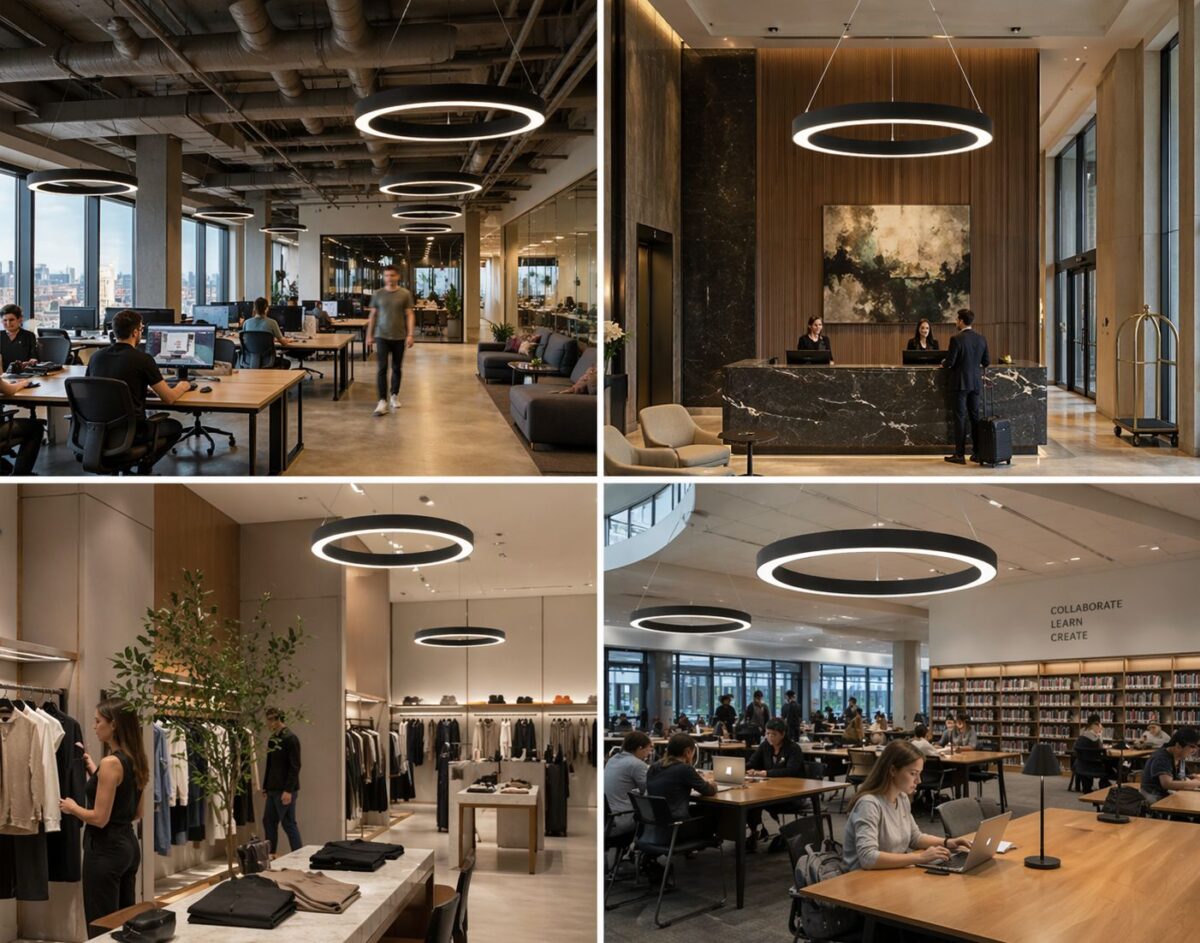
Common methods and fixtures are chosen based on the room’s function and the desired atmosphere. These solutions are integrated directly into the building’s architecture for a seamless look.
- Recessed Lighting: Installed within the ceiling, these fixtures provide a clean, low-profile source for general lighting or focused downlighting.
- Track and Monorail Systems: These offer flexible, adjustable spots for accent lighting, perfect for highlighting artwork or architectural details.
- Undercabinet and Cove Lighting: Often using linear fixtures, this provides focused task lighting in kitchens or creates soft, indirect ambient light from concealed locations.
These solutions are applied across various interior spaces. Kitchens benefit from a mix of recessed, undercabinet, and pendant lights, while living rooms may use track systems to highlight art and recessed fixtures for a comfortable glow.
Exterior and Landscape Architectural Lighting Options
Exterior and landscape architectural lighting extends a building’s design into the night, enhancing safety, security, and curb appeal. Façade lighting is a key component, using techniques like wall grazing or washing to emphasize a building’s texture, form, and scale. This creates a striking visual identity after dark.
A well-designed lighting system for the outdoors also includes landscape lighting to create a cohesive experience. This involves illuminating pathways, highlighting trees or garden features, and ensuring safe navigation.
- Objectives: Key goals include enhancing security by illuminating dark areas, providing safe passage along walkways, and creating aesthetic appeal by highlighting architectural and natural features.
- Fixtures: Common examples are ground-mounted uplights for façades, path lights for walkways, and soffit lights for gentle downlighting around the building’s perimeter.
The impact on a building’s exterior is dramatic. Strategic architectural outdoor lighting not only makes a property more secure and usable at night but also transforms its appearance, creating a powerful statement. Proper general illumination of outdoor spaces is critical for both function and beauty.
Choosing the Right Fixtures and Techniques
Selecting the right fixtures and techniques is a critical step in any lighting design project. The choice is about more than just aesthetics; it involves a complex interplay of technical specifications, environmental factors, and project goals. A well-conceived lighting plan considers every detail.
From creating dramatic accent lighting with a narrow beam to providing functional illumination with linear lighting, every choice contributes to the overall success of the lighting system. The following sections will detail the factors designers consider and provide examples of how different techniques create specific visual effects.
Factors Lighting Designers Consider Before Selection
Lighting designers undertake a thorough analysis before finalizing a lighting plan. This process ensures the chosen fixtures and techniques align perfectly with the project’s goals, budget, and physical constraints. It’s a balance of art, science, and practical considerations.
Several critical factors influence their decisions, guiding them toward the most effective solutions for each unique space. These considerations ensure the final installation is not only beautiful but also safe, durable, and efficient.
- Project Requirements: Designers start by understanding the intended use of the space, desired light levels, and aesthetic goals.
- Installation Environment: The physical conditions matter greatly. Is it a new build or remodel? What are the ceiling heights and materials? Is the fixture for a damp location like a bathroom?
- Safety Requirements: All fixtures must meet local building codes and safety standards, such as UL ratings and IC ratings for fixtures in contact with insulation.
- Aesthetics and Integration: The fixture must complement the architectural style and integrate seamlessly into the design.
By carefully weighing these priorities, lighting designers can craft a comprehensive plan that meets all technical and design objectives, ensuring a successful outcome.
Examples of Lighting Techniques and Their Visual Impact
Different lighting techniques can dramatically alter the look and feel of a space. The choice of technique, combined with factors like beam angle and color temperature, is what allows designers to sculpt with light. For example, accent lighting with a narrow beam can create a focused point of interest, making an object pop.
Cove lighting, a form of indirect linear lighting, washes a ceiling with a soft, uniform glow. This technique can make a room feel larger and more open while providing comfortable, glare-free ambient light. The visual impact is subtle yet powerful, adding a sense of elegance and sophistication.
The table below illustrates how various techniques achieve different effects, showcasing the importance of selecting the right method for the desired visual impact.
| Technique | Intended Effect | Common Use Cases |
|---|---|---|
| Wall Grazing | Highlights texture by placing light close to a surface at a steep angle. | Emphasizing stone or brick walls. |
| Wall Washing | Creates a smooth, even wash of light on a vertical surface. | Making a room feel brighter and more spacious. |
| Downlighting | Provides general or task illumination from fixtures in the ceiling. | General room lighting, kitchen task areas. |
| Uplighting | Directs light upward to bounce off the ceiling or highlight features. | Accentuating columns, creating indirect ambient light. |
Key Applications in Residential and Commercial Spaces
Architectural lighting finds diverse applications in both residential and commercial settings, transforming everyday environments into functional and engaging spaces. The goal is always to enhance the user experience, whether at home or in a public venue. The right architectural lights can dramatically improve aesthetic appeal.
From creating a cozy atmosphere in a living room to making a grand statement in a hotel lobby, the principles of architectural lighting are versatile. We’ll now examine specific uses in homes before exploring innovative approaches in commercial spaces.
Common Uses of Architectural Lighting in Homes
In residential lighting, architectural solutions are used to create layers of light that enhance comfort and functionality. A common application is using recessed downlights to provide clean, unobtrusive ambient lighting throughout a home, from hallways to living areas. This creates a consistent base layer of illumination.
To add depth and character, homeowners use accent lighting to highlight artwork, architectural details, or family photos. Adjustable track lighting is perfect for this, allowing for flexibility as displays change over time. This targeted light draws the eye and adds a personal touch to the interior design.
The overall lighting system in a home often combines these architectural elements with decorative fixtures like chandeliers or pendants. This layered approach ensures that the lighting is not only practical for everyday tasks but also contributes to the home’s unique style and welcoming atmosphere.
Innovative Approaches for Office, Retail, and Hospitality Sectors
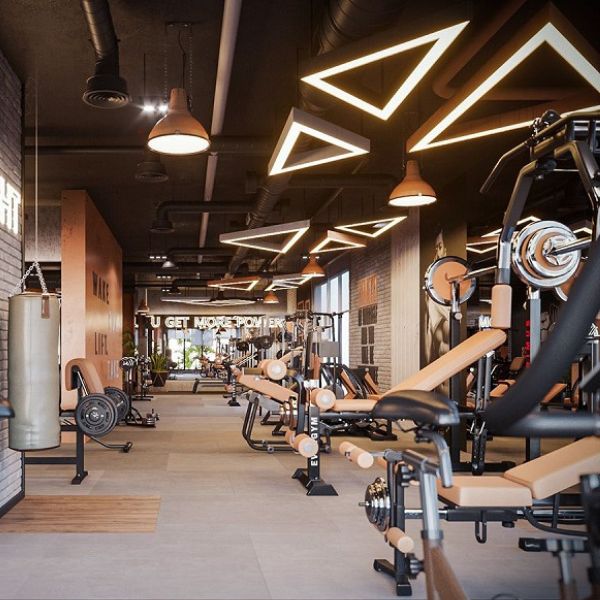
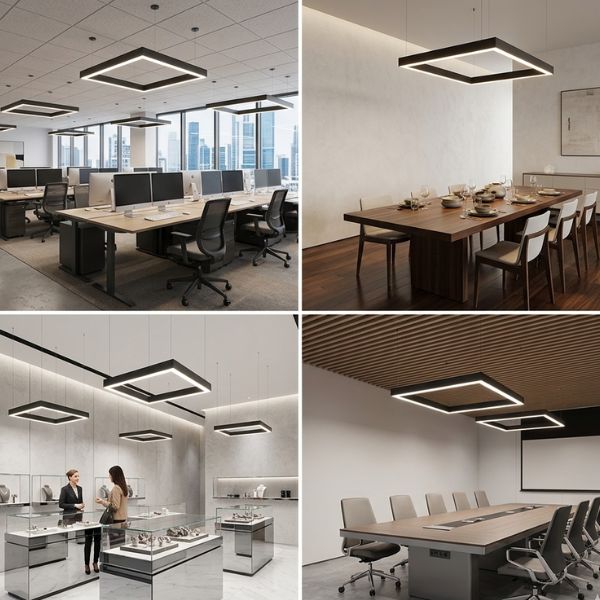
In commercial spaces, architectural lighting is a powerful tool for branding and enhancing customer experience. For office spaces, innovative lighting plans now often focus on human-centric design, using tunable white light that mimics natural daylight patterns to improve employee well-being and productivity.
Retail environments leverage lighting to guide customers, highlight merchandise, and create an inviting atmosphere. Dynamic lighting can draw attention to new displays, while high-quality accent lighting ensures products look their best. The lighting becomes an integral part of the sales strategy.
The hospitality sector, especially in areas like a hotel lobby, uses lighting to make a memorable first impression. A combination of grand decorative lighting and subtle, integrated architectural fixtures creates a sense of luxury and comfort. Different “scenes” can be programmed to transition the mood from a bright, bustling daytime environment to a warm, intimate evening setting.
Trends and Energy Efficiency in Architectural Lighting
The world of architectural lighting is constantly evolving, driven by new technologies and a growing emphasis on sustainability. Current trends are shaping how we approach lighting design, with a strong focus on creating smarter, more responsive, and environmentally friendly solutions. Energy efficiency is no longer an afterthought but a core component of good design.
Reducing energy consumption is a primary goal, leading to innovations like advanced LED systems and smart controls. The following sections will discuss the latest trends in the U.S. market and explore how techniques like daylight harvesting are being incorporated into modern lighting plans.
Current Trends Shaping the U.S. Market
One of the most significant trends in architectural lighting in the U.S. is the move toward human-centric lighting. This design philosophy prioritizes the well-being of occupants by using lighting that supports natural circadian rhythms, often through tunable color temperature and intensity that mimics the changes in natural lighting throughout the day.
Another major trend is the integration of smart technology. Lighting systems are becoming increasingly connected, allowing for greater control, automation, and data collection. This enables dynamic adjustments based on occupancy, time of day, and user preference, leading to more efficient and personalized environments.
Global influences, from the minimalist aesthetics seen in Scandinavian design to the dynamic façade lighting popular in cities like Hong Kong, also shape U.S. trends. Architects and designers are increasingly adopting a global perspective, blending different styles and technologies to create innovative and impactful lighting design solutions.
Incorporating Energy-Efficient Solutions in Lighting Design
Energy efficiency is a cornerstone of modern lighting design, driven by both environmental concerns and the desire to reduce operational costs. The primary goal is to minimize energy consumption while providing optimal light levels for the intended task or atmosphere. This is achieved through a combination of technology and strategic planning.
Advanced technologies play a crucial role in achieving these goals. By specifying the right components and control systems, designers can create highly efficient and intelligent lighting solutions.
- LED Technology: The widespread adoption of LEDs has been a game-changer, offering long lifespans and significant energy savings compared to traditional sources.
- Smart Controls: Occupancy sensors, dimmers, and timers ensure that lights are only on when and where they are needed, drastically cutting down on wasted energy.
- Daylight Harvesting: This technique uses sensors to detect the amount of natural light in a space and automatically adjusts artificial light levels accordingly.
By incorporating these solutions, a lighting design not only reduces a building’s carbon footprint but also delivers substantial long-term savings on energy bills.
Architectural Lighting Systems Explained
Architectural lighting systems are the hardware that brings a lighting design to life. These systems are engineered to integrate seamlessly into a building’s structure while providing the necessary function and flexibility. Common examples include recessed lighting, track lighting, and monorail lighting.
Each lighting system offers distinct advantages and is suited for different applications. Understanding their unique characteristics is key to making the right choice for your project. We will now compare these systems and discuss the benefits of integrating them into a cohesive whole.
Differences Between Recessed, Track, and Monorail Lighting
Recessed, track, and monorail lighting are three of the most common architectural lighting systems, but they serve different purposes and offer unique visual and functional qualities. Recessed lighting is installed directly into the ceiling, providing a clean, minimalist look ideal for general ambient light or focused downlighting.
Track lighting consists of linear fixtures with adjustable heads, offering excellent flexibility for accent lighting. It’s a practical choice for galleries or retail spaces where displays change frequently. Monorail lighting is even more versatile, as the rail itself can be bent into custom shapes, allowing for creative, flowing designs that can also support decorative pendants.
The table below summarizes the key differences to help guide your selection.
| System | Installation & Form | Primary Use | Flexibility |
|---|---|---|---|
| Recessed Lighting | Installed inside the ceiling; very low-profile. | General ambient lighting, task downlighting. | Fixed position once installed. |
| Track Lighting | Straight or L-shaped rigid rails mounted on the surface. | Adjustable accent and task lighting. | High; heads can be moved along the track. |
| Monorail Lighting | Flexible rail that can be curved; surface mounted or suspended. | Creative decorative and accent lighting. | Very high; rail can be shaped and heads are adjustable. |
Advantages of Integrated Systems for Modern Buildings
Integrated architectural lighting systems combine various lighting types, fixtures, and controls into a single, cohesive network. This approach offers significant advantages over using standalone, uncoordinated components. The primary benefit is centralized lighting control, allowing users or facility managers to adjust entire zones or scenes with a single command.
This integration greatly simplifies operation and maintenance. With a smart, connected system, facility managers can monitor energy usage, receive alerts about maintenance requirements, and even troubleshoot issues remotely. This proactive approach reduces downtime and lowers long-term operational costs.
Furthermore, integrated systems are designed for flexibility and future-readiness. They can be easily reprogrammed to accommodate changes in space usage or upgraded with new technology as it becomes available. This adaptability ensures that the lighting remains effective and efficient throughout the building’s lifespan, providing lasting value.
Essential Tips for Successful Lighting Design Projects
Embarking on a lighting design project requires careful planning and a clear understanding of best practices. A successful outcome depends on more than just choosing attractive fixtures; it involves developing a comprehensive lighting plan that addresses both aesthetic and technical requirements.
To help you get started on the right foot, the following sections offer practical advice for beginners. We’ll cover foundational knowledge and share tips for creating a lighting system that is not only beautiful but also durable, flexible, and easy to maintain.
What Beginners Should Know About Architectural Lighting
For those new to architectural lighting, the field can seem complex. The most important thing to know is that good lighting is layered. Instead of relying on a single overhead fixture, think in terms of ambient (general), task (focused), and accent (highlighting) layers to create a dynamic and functional space.
Before you begin, it’s crucial to establish a clear vision and plan. Rushing into fixture selection without a strategy is a common pitfall. Consider the following steps.
- Define the Goal: What is the primary function of the space? What mood do you want to create?
- Create a Lighting Plan: Sketch a basic layout of the room, marking where you need different types of light.
- Think About Control: How will you turn lights on and off? Dimmers are a must-have for flexibility.
- Don’t Overlook the Details: Pay attention to color temperature (Kelvin) and color rendering index (CRI) for better light quality.
Finally, don’t be afraid to seek professional advice. Consulting with interior designers or lighting specialists, like the team at Brandon Lighting, can save you from costly mistakes and ensure your project achieves its full potential.
Planning for Longevity, Maintenance, and Flexibility
A successful lighting design project considers the future. Planning for longevity means selecting high-quality fixtures and components, especially long-lasting LEDs, that will perform reliably for years to come. This initial investment pays off by reducing the frequency of replacements and repairs.
It’s also essential to consider maintenance requirements from the outset. Will fixtures be easy to access for cleaning or replacement? Choosing systems with low maintenance needs and establishing clear maintenance schedules will help keep the lighting system functioning optimally and minimize long-term operational costs.
Finally, build in flexibility. The way you use a space may change over time. Systems like track lighting or those with smart controls offer the adaptability to adjust your lighting as your needs evolve. This forward-thinking approach ensures your lighting design remains relevant and effective for the long haul.
Conclusion
In conclusion, architectural design lighting is not just about illuminating spaces; it plays a vital role in enhancing both functionality and aesthetics within building projects. By understanding the core principles and applications of different lighting solutions, designers can create environments that promote well-being and efficiency. As trends shift towards energy efficiency and innovative design techniques, staying informed and adaptable is essential for any successful project. Whether you’re working on a residential or commercial space, prioritizing architectural lighting can significantly impact the overall experience for occupants. If you’re ready to elevate your building projects with expert lighting design, reach out to us for a free consultation today!
Frequently Asked Questions
What are the long-term benefits of investing in architectural design lighting?
Investing in architectural design lighting enhances property value and improves occupant experience. A well-executed lighting plan also leads to significant long-term savings through energy efficiency and reduced maintenance requirements. These benefits lower operational costs and ensure the lighting system remains effective and sustainable for years to come.
How does architectural lighting contribute to occupant well-being?
Architectural lighting promotes occupant well-being by creating visual comfort and reducing eye strain. Unlike harsh general lighting, it uses layers and controls glare. By managing factors like color temperature and intensity, it can support natural circadian rhythms, improving mood, focus, and overall comfort in a space.
Are there regulations or best practices to follow when designing lighting for buildings in the United States?
Yes, lighting design in the United States is guided by regulations and best practices. These include building codes like the International Energy Conservation Code (IECC) and standards from organizations like ASHRAE, which set minimum requirements for energy efficiency. Following these ensures safety, compliance, and optimal performance.




Leave A Comment