
Key Highlights
- A vapor tight fixture protects your lighting from moisture, dust, and contaminants, ensuring reliability in harsh industrial settings.
- LED vapor tight lights offer superior energy efficiency, using up to 70% less electricity than traditional options for significant cost savings.
- When choosing a fixture, consider the IP rating, which indicates its level of protection against solids and liquids.
- The robust, sealed design of these fixtures minimizes maintenance needs and allows for easy cleaning, reducing operational downtime.
- Selecting the right fixture involves evaluating size, wattage, light output, and material to match your facility’s specific environmental challenges.
Introduction
When selecting industrial lighting, you need solutions that can withstand demanding conditions. Vapor tight fixtures are specifically engineered to perform in harsh environments where moisture, dust, and corrosive elements are present. Choosing the right fixture is crucial for maintaining safety, improving productivity, and ensuring long-lasting performance. This guide will walk you through everything you need to know about selecting the best vapor tight fixtures for your industrial projects, ensuring you get reliable illumination where you need it most.
Understanding Vapor Tight Fixtures for Industrial Use
Vapor tight fixtures are essential lighting solutions designed for industrial use, offering protection against contaminants that could damage standard lights. They are built to endure harsh conditions, ensuring your operations have consistent and dependable illumination.
By understanding what makes these fixtures unique, you can better appreciate their importance in maintaining a safe and productive workspace. We’ll explore their construction and why they are a critical component for any industrial facility facing environmental challenges.
What Makes a Fixture Vapor Tight
A fixture is considered vapor tight because of its sealed housing, which is designed to prevent the ingress of moisture, dust, and other contaminants. This design protects the internal electrical components from environmental damage, ensuring the light continues to function correctly in tough settings. The level of protection is a key factor, and it is often verified by specific ratings.
When choosing these fixtures, you should consider factors like the materials used, such as polycarbonate or fiberglass, which provide durability and corrosion resistance. The construction guarantees that the fixture can withstand the specific challenges of your industrial environment, from moisture exposure to chemical vapors.
Furthermore, the impact resistance of the fixture is an important consideration. A robust design ensures it can handle accidental bumps without failing. The combination of a sealed design, durable materials, and high ingress protection gives you a lighting solution that delivers reliable performance year after year.
Importance of Vapor Tight Fixtures in Industrial Environments
In demanding industrial environments, using vapor tight fixtures is critical for safety and operational continuity. Standard lights can fail when exposed to moisture, dust, or chemicals, leading to potential hazards like short circuits or fires. Vapor tight fixtures provide reliable illumination, which is essential for preventing accidents and ensuring workers can perform tasks safely and accurately.
Consistent performance is another reason these fixtures are so important. Unplanned downtime due to lighting failures can halt production and lead to significant financial losses. Because vapor tight lights are built to withstand harsh environmental conditions, they offer a longer lifespan and reduce the need for frequent maintenance or replacement.
By investing in these specialized lighting solutions, you ensure that your facility complies with safety regulations and maintains a productive workflow. Their durable construction guarantees that you have a dependable light source, no matter how challenging the setting.
Differences Between Vapor Tight and Vapor Proof Fixtures
While the terms “vapor tight” and “vapor proof” are often used interchangeably, they have distinct differences. Vapor tight fixtures are designed to keep out moisture and dust, but vapor proof lights are engineered to contain an internal explosion and prevent it from igniting the surrounding atmosphere.
For most industrial applications where moisture and dust are the primary concerns, vapor tight fixtures are the appropriate choice. Understanding the distinctions in their construction and intended applications will help you select the right solution to optimize lighting performance and safety.
Construction and Material Distinctions
Vapor tight fixtures feature a robust construction with a sealed design to protect internal components from non-combustible elements like moisture and dust. They are often made from materials like polycarbonate and fiberglass, with gaskets to ensure a tight seal. In contrast, vapor proof lights are built to withstand and contain an explosion, often using heavier materials like cast aluminum.
The primary difference lies in their purpose. Vapor tight lights prevent external elements from getting in, while vapor proof fixtures prevent internal events from getting out. This distinction is crucial for safety in hazardous locations where flammable gases are present.
Here is a comparison of their key features:
| Feature | Vapor Tight Fixtures | Vapor Proof Fixtures |
|---|---|---|
| Primary Purpose | Protects against moisture, dust, and corrosion. | Contains internal explosions to prevent external ignition. |
| Typical Materials | Polycarbonate, fiberglass, stainless steel accents. | Heavy-duty cast aluminum or reinforced steel. |
| Sealing Method | Gaskets and sealed housing to prevent ingress. | Thick, tempered glass and threaded enclosures. |
| Common Application | Wet locations, food processing, car washes. | Hazardous locations with flammable gases or vapors. |
Performance and Applications Compared
The lighting performance of vapor tight and vapor proof fixtures is tailored to their specific applications. Vapor tight lights focus on delivering reliable performance and high light output in environments with moisture and dust, such as food processing plants or parking garages. Their efficiency helps lower operating costs in these common industrial settings.
Vapor proof fixtures, on the other hand, are designed for performance in hazardous locations where safety is the absolute priority. While they provide necessary illumination, their primary function is to operate safely in the presence of explosive materials, which can sometimes come at the cost of peak lighting efficiency compared to standard industrial lights.
Ultimately, your choice depends on the environment. If your facility needs protection from non-combustible elements like water and dust, a vapor tight fixture is the correct and more cost-effective choice. If you are operating in an area with a risk of explosion, a vapor proof fixture is required by safety codes.
Key Factors to Consider When Choosing Vapor Tight Fixtures
Selecting the right vapor tight fixtures requires careful evaluation of your facility’s unique needs. To ensure you get the best lighting solutions, you must consider several key factors beyond just the initial price. The right fixture will provide the necessary level of protection while delivering optimal performance.
Making an informed decision involves looking at technical specifications like IP ratings, light output, and material durability. By paying attention to these details, you can choose a fixture that guarantees safety, efficiency, and longevity for your industrial project.
IP Ratings and Protection Levels
The IP rating, or Ingress Protection rating, is one of the most important factors when choosing vapor tight fixtures. This two-digit number indicates the level of protection the fixture has against solids (first digit) and liquids (second digit). A higher number signifies greater protection against environmental conditions.
For industrial environments, you should look for fixtures with a high IP rating to ensure they can withstand the challenges of your facility. For example, a fixture rated IP65 is dust-tight and protected against low-pressure water jets from any direction. For areas with more intense cleaning routines, a higher rating may be necessary.
Common IP ratings for vapor tight fixtures include:
- IP65: Dust-tight and protected against water jets. Ideal for many industrial and outdoor applications.
- IP66: Dust-tight and protected against powerful water jets. Suitable for areas that require frequent, high-pressure washdowns.
- IP67: Dust-tight and protected against temporary immersion in water. This is necessary for locations with a risk of flooding.
Selecting Size, Wattage, and Light Output
Choosing the correct size, wattage, and light output is crucial for ensuring your space is properly illuminated. The size of the fixture often correlates with its light output, so larger spaces may require bigger fixtures or multiple smaller ones to achieve even lighting. Start by assessing the area’s dimensions and mounting height.
Wattage indicates the amount of energy the fixture consumes, while lumen output measures the amount of light it produces. To maximize efficiency, you should focus on achieving the desired lumen output with the lowest possible wattage. When selecting a fixture, consider these key lighting metrics:
- Lumen Output: Determine the required brightness for the tasks being performed in the area.
- Color Temperature: Choose a color temperature (measured in Kelvins) that suits the environment. Cooler temperatures (4000K-5000K) are often preferred for industrial tasks.
- Beam Angle: Consider how the light is distributed to ensure it covers the intended area effectively.
For factories with high ceilings, you will need fixtures with a higher lumen output and potentially a more focused beam angle to ensure sufficient light reaches the floor. Always match the fixture’s specifications to the unique requirements of your space to ensure optimal safety and productivity.
Benefits of Using LED Vapor Tight Fixtures
Switching to LED vapor tight fixtures offers significant advantages for any industrial facility. The primary benefits revolve around superior energy efficiency and dramatically reduced maintenance costs. These fixtures use advanced LED technology to provide bright, consistent light while consuming far less power than traditional options.
This upgrade not only leads to immediate energy savings on your utility bills but also enhances operational reliability. We will explore how their efficiency translates to cost savings and how their long lifespan minimizes the need for maintenance.
Energy Efficiency and Cost Savings
One of the most compelling benefits of LED vapor tight fixtures is their exceptional energy efficiency. These lights consume significantly less energy—up to 70% less—than their fluorescent or HID counterparts to produce the same level of brightness. This efficiency translates directly into lower electricity bills and reduced overall operating costs for your facility.
The technology behind LED vapor tight lights is designed to maximize light output while minimizing wasted power. By converting a larger percentage of energy into light rather than heat, these fixtures operate more coolly and efficiently. Over time, these energy savings can be substantial, especially in large industrial spaces that require continuous illumination.
Upgrading to LED technology is a smart financial decision that also supports your company’s sustainability goals. By using less energy, you lower your carbon footprint and contribute to a greener environment. The long-term cost benefits make the initial investment in high-quality vapor tight lights a clear winner for any budget-conscious operation.
Longevity and Reduced Maintenance
LED technology provides remarkable longevity, with lifespans that can exceed 50,000 to 100,000 hours. This is five to ten times longer than traditional fluorescent lamps. For your facility, this extended lifespan means you no longer have to deal with the hassle and expense of frequent replacements.
The durability of LED vapor tight fixtures drastically cuts down on maintenance costs. Fewer bulb changes mean less labor and reduced disruption to your operations. Their reliable performance ensures that your facility remains well-lit and safe without the need for constant attention from your maintenance team.
Ultimately, the combination of a long lifespan and minimal upkeep makes LED fixtures a highly practical and cost-effective lighting solution. You can count on consistent, worry-free illumination for years, allowing you to focus on your core business activities instead of lighting maintenance.
Best Locations for Installing Vapor Tight Lighting in Industrial Facilities
Identifying the best locations for vapor tight lighting is key to maximizing its benefits in industrial facilities. These fixtures are specifically designed for challenging environments where ordinary lights would quickly fail. Placing them correctly ensures optimal performance and a long service life.
From areas prone to moisture and dust to specific indoor and outdoor applications, understanding where to install these lights will help you create a safer and more efficient workspace. Let’s look at the ideal spots for these durable lighting solutions.
Areas Prone to Moisture, Dust, or Chemicals
Vapor tight fixtures are the ideal choice for any area where moisture, dust, or corrosive chemicals are a concern. Their sealed construction protects the sensitive internal electronics from damage, making them essential for maintaining reliable lighting in these harsh conditions.
Locations such as food processing plants, car washes, and commercial kitchens are prime examples. In these settings, frequent washdowns and high humidity levels would quickly ruin standard light fixtures. Vapor tight lights are built to withstand these conditions, ensuring they continue to operate safely and effectively.
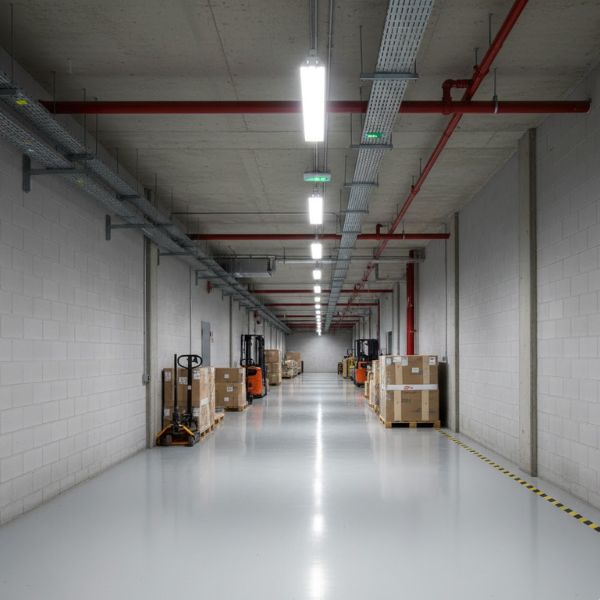
Similarly, dusty environments like manufacturing plants, workshops, and warehouses benefit immensely from vapor tight lighting. The sealed housing prevents dust particles from accumulating inside the fixture, which could otherwise cause overheating or become a fire hazard. By installing these fixtures, you ensure consistent illumination and enhance safety.
Indoor vs. Outdoor Installation Considerations
When installing vapor tight lighting solutions, the considerations for indoor and outdoor applications differ. For indoor spaces like cold storage or manufacturing lines, the focus is often on hygiene, resistance to specific chemicals, and easy cleaning. The fixtures must support a clean and safe working environment.
For outdoor applications, the primary concern is durability against the elements. These fixtures must be able to withstand rain, snow, extreme temperatures, and UV exposure. Outdoor vapor tight lights are commonly used in:
- Parking garages
- Loading docks
- Building exteriors
Whether for indoor or outdoor use, the ingress protection (IP) rating is a critical factor. For outdoor installations, a higher IP rating (like IP66 or IP67) is recommended to ensure protection against powerful water jets and potential submersion. For indoor use, the required rating will depend on the specific environmental challenges, such as humidity or dust levels.
Certifications and Standards for Industrial Vapor Tight Fixtures
When procuring industrial vapor tight fixtures, it is vital to ensure they meet specific certifications and industry standards. These credentials are not just a mark of quality; they are a guarantee that the product has been tested and proven to meet stringent safety and performance requirements. Compliance with these standards protects your workers, your facility, and your investment.
Choosing certified products ensures that your lighting solution adheres to national and international safety standards. Reputable manufacturers, like Brandon Lighting, ensure their products carry the necessary listings to give you peace of mind. Understanding these certifications will help you make a compliant and responsible purchasing decision, avoiding potential legal and safety issues down the road.
UL Listings, IP Ratings, and Relevant Compliance Requirements
When selecting vapor tight fixtures, looking for specific certifications is essential to ensure they meet safety and quality benchmarks. UL Listings are one of the most recognized marks of safety in North America. A UL Listed product has been tested by Underwriters Laboratories and meets their rigorous safety standards.
The IP rating is another critical compliance requirement, as it defines the fixture’s resistance to solids and liquids. For industrial use, you should seek fixtures with ratings like IP65, IP66, or IP67 to ensure they are adequately protected against dust and water.
Other important certifications and compliance requirements to look for include:
- NSF Certification: This is crucial for fixtures used in food processing plants, as it indicates the product is easy to clean and resistant to contamination.
- DLC Listing: A DesignLights Consortium (DLC) listing verifies the fixture’s energy efficiency and quality, often making it eligible for utility rebates.
- RoHS Compliance: This standard restricts the use of specific hazardous materials in electrical and electronic products.
Common Mistakes to Avoid When Purchasing Vapor Tight Fixtures
Purchasing vapor tight fixtures for your industrial project is a significant investment, and avoiding common mistakes can save you time, money, and frustration. One of the biggest purchasing mistakes is focusing solely on the initial price while ignoring long-term performance and durability. A cheap fixture that fails prematurely will cost you more in replacements and downtime.
To make a smart purchase, you need to pay close attention to the proper specifications for your application and carefully vet the manufacturer’s quality and credentials. By being thorough in your selection process, you can avoid the pitfalls that lead to buyer’s remorse and ensure you get a lighting solution that truly meets your needs.
Overlooking Proper Specifications
A frequent mistake when buying vapor tight fixtures is overlooking the proper specifications for your environment. Choosing the right fixture goes beyond just finding one that is sealed. You must match the fixture’s capabilities to the specific challenges of your facility, or you risk premature failure and poor performance.
For example, selecting a fixture with an inadequate IP rating for a high-moisture area will lead to water ingress and damage. Similarly, ignoring the required light output can result in a poorly lit, unsafe workspace. To avoid these issues, carefully assess your needs regarding:
- Brightness and Color: Ensure the lumen output and color temperature are suitable for the tasks performed.
- Durability: Check the fixture’s impact resistance (IK rating) and material compatibility with any chemicals present.
Taking the time to define your requirements and cross-reference them with the fixture’s specifications is essential. This diligence ensures you invest in a product that will perform reliably for years to come, rather than one that fails when you need it most.
Ignoring Manufacturer Quality Credentials
Another critical error is ignoring the manufacturer’s quality credentials. A reputable manufacturer will adhere to strict industry standards and have their products certified by third-party organizations. These credentials are a testament to the product’s safety, reliability, and performance. Choosing a fixture from an unproven or non-certified manufacturer can be a risky gamble.
When you partner with a trusted manufacturer like Brandon Lighting, you are not just buying a light fixture; you are investing in a promise of quality. We are committed to meeting safety standards and providing consistent lighting solutions. Our fixtures are designed to deliver reliable illumination and are backed by solid warranties and customer support.
Always research potential suppliers and look for evidence of quality control, industry certifications (like UL and DLC), and positive customer reviews. A manufacturer’s reputation is built on the performance of its products, so choosing one with a proven track record is the best way to ensure you get a solution that lasts.
Maintenance Tips for Vapor Tight Fixtures
Although vapor tight fixtures are designed for durability and low maintenance, a few simple practices can extend their lifespan and ensure consistent performance. Proper care helps you get the most out of your investment and keeps maintenance costs to a minimum.
Regular cleaning and routine inspections are the cornerstones of effective maintenance. By following a simple schedule, you can keep your fixtures operating at peak efficiency and identify potential issues before they become serious problems.
Cleaning Procedures for Extended Lifespan
Following proper cleaning procedures is essential for an extended lifespan and reliable performance from your vapor tight fixtures. Over time, dirt and grime can accumulate on the lens, reducing light output and efficiency. Regular cleaning ensures your space remains brightly and safely lit.
Before cleaning, always ensure the power to the fixture is turned off to prevent accidents. Use a soft cloth and a mild, non-abrasive cleaner to wipe down the exterior surfaces. Harsh chemicals or abrasive materials can damage the lens or compromise the seals, so it is important to use appropriate cleaning agents.
Here are a few simple cleaning steps:
- Power down the fixture.
- Wipe the lens and housing with a damp cloth and a gentle detergent.
- Rinse with a clean, damp cloth to remove any soap residue.
- Allow the fixture to dry completely before restoring power. This simple routine helps keep maintenance costs low while protecting the fixture’s internal components.
Routine Inspection and Troubleshooting
Routine inspection is a proactive way to ensure your vapor tight fixtures maintain optimal performance and to catch potential problems early. During an inspection, you should check for any signs of damage to the housing, lens, or seals. Look for cracks, discoloration, or evidence of moisture inside the fixture.
If you notice flickering, dimming, or a fixture that will not turn on, some simple troubleshooting can help. First, confirm that the fixture is receiving power and check the circuit breaker. For LED fixtures, these issues are rare, but if they occur, it could indicate a problem with the driver, which may need to be replaced.
Regularly inspecting your tight fixtures allows you to address minor issues before they escalate, preventing costly repairs and unexpected downtime. A simple visual check during routine cleaning can save you significant maintenance costs and ensure your lighting system remains reliable.
Conclusion
In conclusion, selecting the right vapor tight fixtures is crucial for ensuring efficiency and safety in industrial environments. By understanding the key factors such as IP ratings, construction materials, and maintenance requirements, you can make informed decisions that enhance operational performance. Proper installation not only mitigates risks associated with moisture, dust, and chemicals but also ensures compliance with relevant standards. Remember to avoid common pitfalls, such as neglecting manufacturer credentials or specifications. Your choice of fixtures can dramatically impact your facility’s lighting quality and energy consumption. If you have any questions or need further assistance in choosing the best vapor tight fixtures for your project, get in touch with us today!
Frequently Asked Questions
How do I choose the right size and wattage for my facility?
To choose the right fixture size and wattage, first assess your space’s dimensions and ceiling height. For areas with high ceilings, you’ll need a higher light output (lumens) to ensure adequate brightness. Always aim to achieve the desired light output with the lowest possible wattage for maximum efficiency.
Which certifications are required for vapor tight fixtures in the US?
In the US, look for UL listings to ensure compliance with safety standards. An appropriate IP rating is also essential to verify protection against dust and moisture. Depending on the application, additional certifications like NSF for food safety or DLC for energy efficiency may also be important compliance requirements.
What industries benefit most from vapor tight lighting?
Industries that operate in harsh or demanding environments benefit most from vapor tight industrial lighting. This includes food processing facilities, manufacturing plants, car washes, parking garages, cold storage warehouses, and any other location where fixtures are exposed to moisture, dust, or corrosive elements.



Leave A Comment