
Key Highlights
- LED lighting gives you strong energy savings while providing reliable low bay lighting for ceilings under 20 feet.
- Low bay fixtures are a practical lighting solution for warehouses, aisles, assembly lines, and other indoor work areas.
- In a high bay vs low bay comparison, ceiling height and beam angle shape the best fit for your project.
- Many models offer dimmable control, high lumen output, and different color temperature options.
- Rebate-eligible fixtures can lower upfront cost and improve long-term operating value.
- Smart fixture selection helps you reduce maintenance, replacements, and installation concerns.
Introduction
If you are planning a project with ceilings below 20 feet, LED lighting deserves a close look. Low bay lighting is built for these spaces and can help you balance brightness, operating cost, and upkeep. This comprehensive guide explains what these fixtures do, how they compare with other options, and what to check before you buy. If you want a dependable lighting choice for commercial or industrial use, this will help you move toward a smarter fixture decision.
Understanding LED Low Bay Lights for Modern Projects
Start with the basics. Low bay fixtures are designed for indoor spaces where the ceiling height is less than 20 feet. That makes them a strong lighting solution for many work and storage areas that need broad, useful coverage without the intensity required for taller spaces.
This matters when comparing them with a high bay product. If your ceiling height falls in the lower range, low bay units often provide the right spread and brightness more efficiently. The next sections break down how they work and when to choose them over high bay fixtures.
What Are LED Low Bay Lights and How Do They Work?
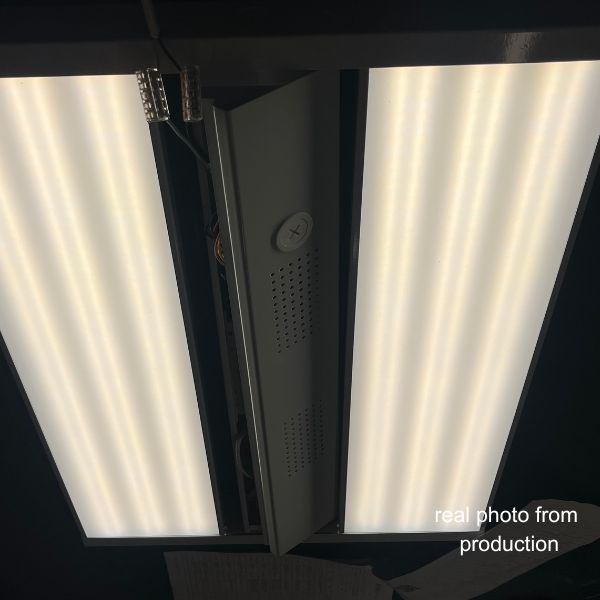
LED low bay lights are fixtures made for spaces with ceilings under 20 feet. In simple terms, low bay lighting is used where you need strong, even illumination without installing a high bay unit meant for taller areas. Common locations include warehouses with lower ceilings, aisles, assembly lines, and other indoor facilities.
Their job is straightforward. LED lighting turns electrical power into usable light output with less energy than older systems. Many low bay models also offer dimmable features, so you can adjust the lighting level based on the task and the layout of the room.
They are often chosen to replace metal halide fixtures. That switch can improve efficiency, reduce frequent replacements, and simplify maintenance. So yes, LED low bay light fixtures can work very well in warehouses with low ceilings when the mounting height fits the fixture design.
Key Differences Between Low Bay and High Bay Light Fixtures
When you compare high bay vs low bay fixtures, the biggest difference is ceiling height. Low bay products are intended for ceilings below 20 feet, while a high bay fixture is used for taller spaces. Beam angle also matters because lower mounting heights usually need a wider spread for balanced coverage.
| Factor | Low Bay Fixtures | High Bay |
|---|---|---|
| Ceiling height | Below 20 ft | For higher ceilings |
| Beam angle | Often wider for broad spread | Often tighter for distance |
| Common use | Aisles, assembly lines, low-ceiling warehouses | Large, taller indoor areas |
| Buying focus | Rebates, dimming, lumen range, CCT | Higher mounting performance |
For 12–20 ft ceilings, look closely at rebate eligibility, DLC listed status, dimmable control, lumen range, color temperature, and mounting style. Those specs can help you cut energy costs, support utility rebate goals, and match the fixture to the actual working height.
Benefits of Using LED Low Bay Light Fixtures
One clear benefit is energy savings. LED low bay fixtures use less energy than traditional lighting solutions such as incandescent, fluorescent, or metal halide bulbs. That makes them appealing if you want better energy efficiency without giving up brightness.
At the same time, they support a strong lighting level in lower-ceiling spaces. Many models provide adequate illumination and high output in a compact form, which is useful in work zones, storage areas, and general-purpose indoor settings. The next sections look at cost and performance in more detail.
Energy Savings and Utility Rebate Advantages
If reducing operating cost is part of your project goal, this is where LED low bay fixtures stand out. They use less energy than traditional lighting solutions, which can create significant cost savings over time. While exact savings depend on the fixture and usage pattern, the main advantage is clear: you get strong illumination with lower energy demand.
There is also a purchasing benefit. Some low bay products are utility rebate eligible, which can improve project payback and lower your upfront expense. For contractors and buyers managing multiple fixtures, that can make a big difference.
- LED low bay lighting uses less energy than incandescent, fluorescent, and metal halide systems.
- Rebate-eligible fixtures may help offset purchase cost through a utility rebate program.
- Longer operating life reduces replacement frequency and labor needs.
- Lower energy use and fewer service calls can add up to significant cost savings.
Enhanced Lighting Performance and Application Versatility
Performance is not only about efficiency. A good low bay unit is also a flexible lighting solution that gives you the right lighting level for the job. Some models offer higher lumen output, dimmable control, and selectable settings, making them useful across different work environments.
You should also pay attention to color temperature. Cooler temperatures are often preferred in workspaces, while neutral whites can suit retail stores or leisure environments. That choice affects how the space feels and how clearly tasks can be performed.
- High brightness supports aisles, assembly lines, and general indoor work areas.
- Different color temperature options help match the fixture to the setting.
- Dimmable features let you fine-tune the lighting level.
- Common applications include warehouses, shop lights, and other low-ceiling commercial spaces.
Choosing the Right LED Low Bay Fixtures for Your Space
Choosing the right fixture starts with your layout. Low bay models are not one-size-fits-all, even when they serve the same ceiling range. You need a lighting solution that matches how the space is used, how bright it needs to be, and how the fixture will be mounted.
That is especially important across different types of spaces. Aisles, assembly lines, and general-purpose rooms may need different beam spread, wattage, or color settings. In the next section, we will focus on the specs, mounting details, and maintenance points you should review before ordering.

Factors to Consider: Specs, Mounting Options, and Maintenance
Before you buy, review the core specs. For 12–20 ft ceilings, look at wattage, lumens, color temperature, dimmability, and rebate-related listings such as DLC listed status. Ratings like IP65, IK08, and UL, ETL, or CE listed can also help you judge durability and suitability for the job site.
Mounting options matter just as much. Some fixtures are made for ceiling brackets, while others use a suspended hook setup. If your project calls for suspended installation, ask about compatible hardware such as a chain mount kit or similar hanging accessories.
Maintenance is usually simple because LEDs last a long time and need fewer replacements. Even so, you should choose fixtures built for low maintenance and easy access.
- Check lumen range and wattage against your ceiling height and task needs.
- Confirm mounting options before purchase to avoid installation delays.
- Choose durable, certified fixtures to reduce future maintenance work.
Low bay VS high bay lights
If you are weighing high bay vs low bay lighting options, think first about fixture height and light distribution. Low bay fixtures are intended for ceilings below 20 feet, while high bay lighting serves taller interiors. That difference affects the type of lighting, the beam angle, and how the light reaches the work surface. Choosing the wrong category can create uneven coverage or unnecessary brightness.
A more detailed exploration of their differences usually comes back to project fit. Low bay is the better lighting solution for lower-mounted applications like aisles, shop lights, and compact warehouse zones. High bay lighting is better suited to larger areas with higher ceilings. When your ceiling is in the low range, low bay fixtures typically offer the more practical and cost-conscious answer.
Conclusion
In conclusion, LED low bay light fixtures present an excellent choice for modern projects, offering a blend of energy efficiency and versatile applications. By understanding their benefits, such as significant energy savings and improved lighting performance, you can make informed decisions that enhance your space. Whether you’re distinguishing between low bay and high bay options or selecting the right fixture based on specifications and maintenance needs, these lights stand out as a reliable solution. Don’t hesitate to explore how LED low bay lights can transform your project. Get quotes today to find the best options tailored to your requirements!


Leave A Comment