
Key Highlights
- Circular fixtures are shaping lighting design with clean forms, even output, and strong visual balance.
- In architectural lighting, these products work well in homes, offices, retail, and hospitality projects.
- Modern lighting systems now pair circular forms with LED performance, smart lighting, and flexible control.
- Energy efficiency remains a major driver, thanks to low wattage, long life, and reduced maintenance.
- Contemporary interiors benefit from circular lights that act as both functional illumination and refined focal points.
- Materials, finishes, and modular options are expanding design choices for buyers and specifiers.
Introduction
Architectural circular fixtures are no longer a niche choice. They are now central to lighting design trends across residential and commercial projects. For US and Canadian brands, designers, and contractors sourcing from China, this shift matters because buyers want products that combine style, performance, and flexibility. In today’s architectural lighting market, circular forms support clean interiors, smart controls, and efficient output. That makes them a practical option for projects that need visual impact without adding design complexity.
Understanding Architectural Circular Lighting Design
Architectural circular lighting design centers on fixtures that use a ring or rounded profile to deliver balanced illumination and strong visual appeal. In architectural lighting, this approach fits modern lighting design because it blends simplicity with performance.
Current trends focus on LED-based lighting systems, smart controls, and adaptable formats. Many fixtures include an integrated light source, dimming, and adjustable color temperature. That gives designers and buyers more control over ambiance, efficiency, and placement. To understand why this format is growing, it helps to look at how circular lighting developed in modern architecture.
The Evolution of Circular Lighting in Modern Architecture
Circular lighting has evolved from a simple ceiling fixture into a defining element in modern lighting design. In earlier years, these products were valued mostly for basic illumination. The focus was practical use, with fewer finish options, limited controls, and less variation in scale or style.
Today, lighting design trends show a clear shift. The lighting industry now treats circular fixtures as both functional lighting solutions and architectural features. Designers use them to shape a room’s tone, guide movement, and create focal points in open layouts. That is a major difference from past years, when they were often selected only for utility.
Advanced technologies have pushed this change further. LED systems deliver more light with less energy, while smart features allow app control, voice commands, and color tuning. As a result, circular fixtures now meet performance goals and visual goals at the same time.
Key Characteristics of Contemporary Circular Lighting Fixtures
Contemporary circular lighting fixtures stand out because they combine clean geometry with broad application range. In many projects, they support architectural design without competing with other interior elements. That balance makes them effective in both understated and statement-driven spaces.
Their main benefits come from even light distribution, flexible styling, and strong aesthetic appeal. Because the form is visually balanced, these fixtures often become focal points while still serving daily lighting needs. That is useful in residential rooms, offices, retail stores, and shared commercial areas.
Key characteristics include:
- Simple round forms that suit modern and minimalist interiors
- Even illumination that reduces dark spots and harsh contrast
- LED-based lighting fixtures with long life and lower upkeep
- Adjustable brightness or color temperature in many models
- Finishes and materials that support varied architectural design themes
Leading Trends in Circular Lighting Design
The latest trends in circular lighting design reflect a market that wants flexibility, efficiency, and a refined look. Buyers are asking for products that fit multiple project types without sacrificing consistency in style or output.
At the same time, advanced technologies are changing what these fixtures can do. Smart lighting systems, tunable settings, and modular designs are moving from premium options to expected features. For brands and contractors sourcing at scale, the next two trends explain where demand is heading and what specifications matter most.
Integration of Minimalism and Geometric Shapes
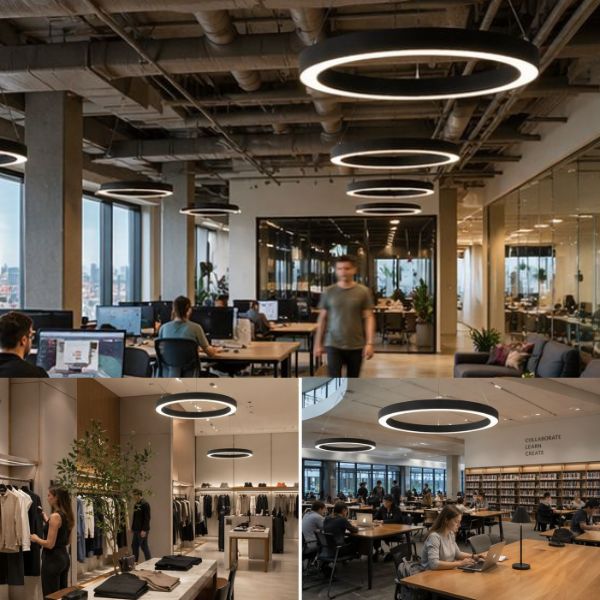
One of the clearest changes in current circular lighting is the stronger link between geometric shapes and minimalist design. Circular forms are being used not just because they are attractive, but because they create order and visual calm in contemporary spaces.
That differs from past years, when many ceiling fixtures were chosen mainly for brightness or decorative detail. Today’s lighting solutions lean toward slimmer profiles, cleaner outlines, and less visual clutter. The result is a fixture that supports the room instead of overwhelming it.
This approach also improves aesthetic appeal in open layouts. Rounded forms soften straight architectural lines, while maintaining a disciplined look. In residential and commercial projects alike, circular fixtures help create a cohesive visual experience. For specifiers, that makes them an adaptable choice across a wide range of interior styles and project budgets.
The Rise of Customizable and Modular Circular Fixtures
Demand is growing for circular fixtures that can be tailored to different layouts, activities, and branding goals. That is why modular lighting and customizable fixtures are getting so much attention. Buyers want flexibility without redesigning an entire lighting plan.
For a new project, designers should consider room size, intended mood, mounting conditions, control options, and the fixture’s role in the space. Adaptable lighting arrangements are especially useful when one product family needs to work across multiple zones or meet specific needs in changing interiors.
Important selection factors include:
- Diameter and depth for scale and ceiling proportion
- Adjustable brightness and color temperature for varied use
- Smart controls or app access for operational flexibility
- Material and finish compatibility with the overall design
- Modular layouts that support expansion or reconfiguration
Impact of Circular Lighting on Interior Spaces
Circular lighting influences interior spaces by shaping how light spreads, how surfaces read, and how a room feels. Because these lighting systems often distribute illumination evenly, they reduce heavy shadows and help rooms appear more open.
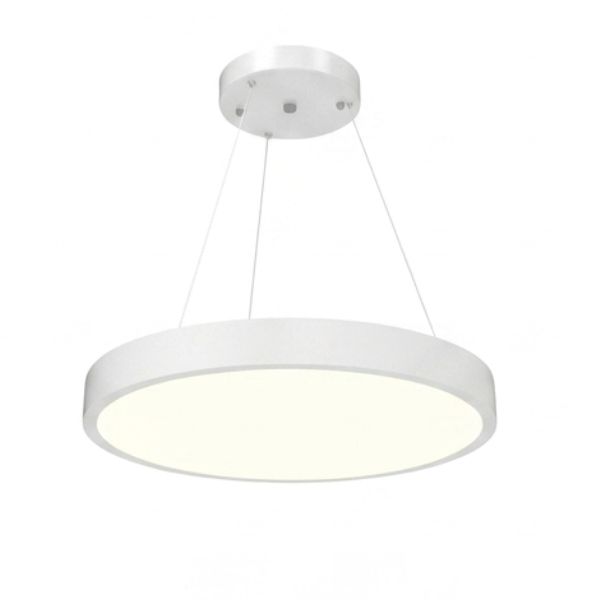
That directly affects the ambiance of a space. A sleek white ring can make an area feel bright and airy, while a darker finish can introduce depth and drama. Along with visual appeal, this makes circular fixtures valuable tools for designers who want atmosphere and function to work together.
Enhancing Mood and Ambiance with Circular Light
Circular light improves mood because it creates smooth, balanced illumination across a room. Instead of leaving harsh patches or dark corners, it supports a more comfortable visual experience. That makes these lighting solutions effective in spaces where people work, relax, shop, or gather.
Ambiance also changes with settings. Adjustable color temperature lets users move from cooler light for focus to warmer tones for rest. Light intensity matters just as much. Brighter output supports task-driven use, while softer levels create an inviting atmosphere in living, retail, or hospitality settings.
There is also a practical side. LED-based circular fixtures offer lower energy use and longer life, which reduces environmental impact over time. So you are not only shaping how a room feels. You are also selecting a solution that supports efficiency, usability, and long-term value for modern interiors.
Spatial Perception and Visual Comfort in Different Environments
Circular fixtures can change how people read a room. In compact areas, their even spread improves spatial perception by reducing dark edges and making the ceiling plane feel more open. In larger rooms, they help organize sightlines and support a cleaner lighting design.
Visual comfort is another advantage. Diffused output can soften glare, while balanced ambient lighting improves daily usability. Architects can also combine circular forms with accent lighting to draw attention to furniture, circulation paths, or key architectural features without making the space feel crowded.
Architects often use circular lighting to enhance spaces by:
- Opening up small rooms with broad ambient lighting
- Guiding movement through halls or transitional zones
- Highlighting seating, counters, or displays with accent lighting
- Improving visual comfort in offices, retail, and shared interiors
Materials and Finishes Shaping Circular Lighting
Materials and finishes now play a larger role in circular fixture selection because buyers expect more than basic output. They want products that match project style, support durability, and align with broader lighting design trends.
Common choices include metal, plastic, and glass, often paired with sleek or understated surface finishes. Interest in sustainable materials is also growing as the market places more value on lower waste and responsible production. The next sections show which material choices are popular and how finishes influence the final look.
Popular Material Choices in 2026
In 2024, circular lighting fixtures are commonly made from metal, plastic, and glass. These materials support different price points, visual styles, and installation needs. For buyers sourcing from China for North American projects, this range helps match product lines to residential, office, retail, or hospitality demand.
Glass remains popular for its premium feel and ability to influence light patterns. Metal adds structure and a clean modern look. Plastic supports lightweight, cost-conscious production. At the same time, interest in sustainable materials is increasing as brands respond to concerns about waste, energy consumption, and long product life.
| Material | Value in Circular Lighting |
|---|---|
| Metal | Strong, durable, and well suited to slim modern forms |
| Glass | Adds reflective surfaces, depth, and softer visual effects |
| Plastic | Lightweight, versatile, and useful for broad product ranges |
| Recycled or sustainable materials | Supports lower environmental impact goals |
| LED-integrated components | Improve efficiency and pair well with long-life led technology |
Surface Finishes and Their Role in Fixture Aesthetics
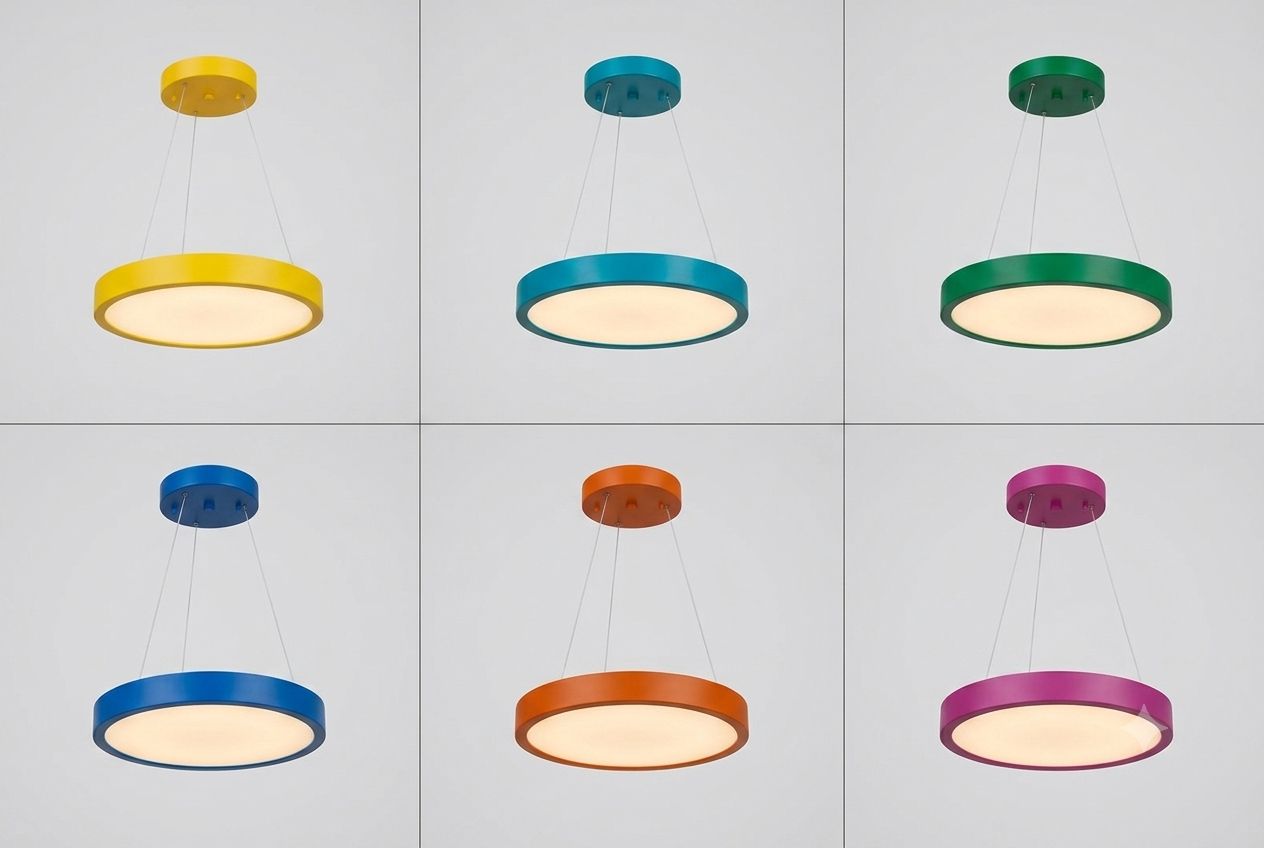
Surface finishes strongly affect how a circular fixture is perceived in a room. A bright white finish can make a space feel cleaner and more open, while matte black can add contrast and a more dramatic tone. These details shape fixture aesthetics as much as the form itself.
Current trends differ from past years because finishes are now part of the design strategy, not just a final cosmetic choice. In modern lighting design, buyers look for finishes that coordinate with furniture, wall colors, and architectural features. That creates stronger visual consistency across a project.
Finishes also influence light patterns. Smooth, reflective surfaces can enhance brightness and depth, while softer finishes create a more restrained effect. For brands and contractors, this means finish selection should be tied to both style goals and the type of atmosphere the project needs to deliver.
Application Examples in Residential and Commercial Architecture
Circular lighting is used widely because it adapts to many room types and design goals. In residential settings, it supports kitchens, bedrooms, living rooms, and circulation areas while strengthening the overall interior design language.
In commercial spaces, the same form works in offices, retail stores, and hospitality venues. These lighting solutions can improve comfort, define focal zones, and support brand atmosphere. To see how versatile they are, look at how circular fixtures perform in workspaces first, then in homes and customer-facing environments.
Circular Lighting Solutions for Workspaces and Offices
In workspaces, circular fixtures help balance visual comfort with a clean professional appearance. They can provide broad general illumination while supporting a more open ceiling look than many traditional options. That is useful in offices that want a modern, uncluttered feel.
For specific activities such as focused desk work, meetings, or collaborative tasks, circular fixtures can be paired with task lighting and dimmable controls. Smart lighting features add even more value by allowing brightness changes throughout the day. This supports productivity while making the environment easier to manage.
They also perform well on the efficiency side. LED systems reduce energy use and maintenance demands, which matters in large office installations. Recent innovative uses include fixtures with app control, adjustable color settings, and layouts that help guide movement through open-plan workspaces and corridors.
Creative Uses in Homes, Retail, and Hospitality Spaces
In homes, retail environments, and hospitality settings, circular fixtures do more than provide light. They can define a room’s identity, support ambient lighting, and strengthen the link between function and style. A circular pendant light over a dining area or lobby can quickly become the visual center of the room.
Architects use these fixtures to transform spaces by improving balance, highlighting architectural features, and adjusting atmosphere across different zones. In homes, pairing them with home automation systems adds control and convenience. In retail and hospitality, they help create an inviting atmosphere that supports customer experience.
Common creative applications include:
- Centering a living room or dining space with a pendant light
- Brightening kitchens and bedrooms with soft ambient lighting
- Highlighting counters, displays, or reception areas in retail
- Creating welcoming hotel lounges or dining zones
- Extending the look outdoors with weather-resistant circular fixtures
Conclusion
In summary, architectural circular lighting design trends are reshaping the way we perceive and experience interior spaces. From their minimalist aesthetics to their customizable features, these fixtures enhance both functionality and ambiance in residential and commercial environments. As we embrace the evolution of circular lights, it’s essential for architects and designers to consider the interplay of materials, finishes, and spatial perception to create harmonious settings. Whether you’re looking to elevate a workspace or add character to a home, circular lighting offers innovative solutions that can transform any space. If you’re ready to incorporate these stunning designs into your projects, don’t hesitate to get quotes today!
Frequently Asked Questions
What are the main benefits of circular lighting design in architecture?
Circular lighting design offers lighting solutions that combine even illumination with strong aesthetic appeal. These fixtures often improve energy efficiency through LED performance, create natural focal points, and help shape an inviting atmosphere. They also fit many project types, making them practical for both design-driven and functional architectural spaces.
How should architects select the right circular lighting for a project?
Architects should match circular lighting systems to room size, ceiling conditions, user expectations, and the fixture’s role in the layout. Smart lighting options, dimming, finish, and color temperature should align with specific needs. The best lighting solutions also support key architectural features and the intended mood of the space.
Are circular ceiling lights considered a game-changer for contemporary interiors?
Yes, a well-designed circular ceiling fixture can be a game-changer for contemporary interiors. It blends clean form, efficient output, and strong adaptability in one product. These lighting systems work for general illumination or accent lighting, helping designers create spaces that feel modern, balanced, and easy to use.


Leave A Comment