
Key Highlights
- Selecting the right underground parking garage lighting involves balancing safety, compliance, and energy efficiency.
- LED fixtures, particularly vapor tight models, offer significant energy savings and lower operational costs due to their long lifespan and high efficacy.
- Adherence to UL, ETL, and DLC certifications is crucial for ensuring product safety, performance, and eligibility for rebates.
- Implementing smart lighting solutions like 0-10V dimming and motion sensors can drastically reduce energy consumption.
- Proper lighting design focusing on uniformity and illuminance levels enhances safety by eliminating dark spots and improving visibility.
- Choosing a reliable OEM vapor tight lighting supplier ensures access to high-quality, compliant products for your projects.
Introduction
Selecting the appropriate underground parking garage lighting is a critical decision for any commercial or industrial project. Proper lighting design not only ensures the safety and security of users but also has a significant impact on operational costs and energy consumption. This guide offers a comprehensive overview for contractors, project managers, and distributors, covering everything from core design requirements and fixture selection to advanced energy-saving strategies. It will equip you with the knowledge to specify the best lighting solutions for your next project.
Understanding the Importance of Underground Parking Garage Lighting
Effective underground parking garage lighting is fundamental to creating a secure and functional environment. Because these facilities often operate 24/7, the lighting system directly influences user safety, perceptions of security, and the owner’s bottom line through energy use.
High-quality illumination is not a luxury but a necessity. It enables drivers and pedestrians to navigate safely, deters criminal activity, and ensures compliance with building codes. A well-designed system minimizes energy consumption while maximizing visibility in all parking areas. Now, we’ll explore the specific functions of this lighting and its effect on safety and costs.
Key Functions of Parking Structure Vapor Tight Lighting
Parking structure vapor tight lighting serves several essential functions beyond simple illumination. These specialized fixtures are engineered to perform reliably in the demanding conditions of a garage, which often include moisture, dust, and vehicle exhaust fumes. Their primary role is to provide consistent, high-quality light that supports the overall safety and usability of the space.
According to guidelines from bodies like the Illuminating Engineering Society (IES), proper garage lighting is crucial for operational success. Vapor tight fixtures are designed to meet these standards by delivering durable and efficient performance. The best lighting solutions for underground parking garages are those that can withstand harsh environments while delivering optimal light output.
The key functions include:
- Ensuring Visibility: Providing clear, uniform light for drivers to see obstacles, pedestrians, and other vehicles.
- Enhancing Security: Eliminating dark corners and shadows where potential threats could be concealed.
- Protecting Fixtures: Sealing internal components from moisture, dust, and corrosive elements, which extends the fixture’s lifespan.
- Maintaining Performance: Delivering reliable illumination even in areas with temperature fluctuations and high humidity.

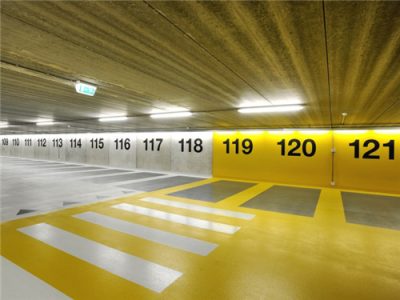
How Proper Lighting Enhances Safety and Security
Proper lighting is one of the most effective measures for improving safety and security in an underground parking garage. High-quality LED lighting enhances clear visibility, allowing both drivers and pedestrians to identify potential hazards, navigate the space confidently, and feel more secure. The absence of dark spots is critical for preventing accidents and deterring unwanted activity.
A well-lit environment makes it easier for security cameras to capture clear footage and for individuals to be aware of their surroundings. This heightened visibility is particularly important in areas like stairwells, elevators, and pedestrian walkways. By ensuring these spaces are adequately illuminated, you create an atmosphere that discourages crime and promotes a sense of safety for everyone using the facility.
Effective lighting strategies that enhance safety include:
- Uniform Illumination: Distributing light evenly to prevent harsh shadows and high-contrast areas.
- High Color Rendering (CRI): Using lights with a high CRI to help people and cameras accurately identify colors, which is crucial for security.
- Strategic Fixture Placement: Placing lights to illuminate key areas like entrances, exits, and payment stations effectively.
- Eliminating Dark Spots: Ensuring corners, columns, and other structural elements do not create hiding places.
Impact on Operating Costs and Energy Efficiency
The lighting in an underground parking garage represents a substantial portion of the facility’s total energy consumption, as lights often run continuously. Therefore, the choice of fixture has a direct and significant impact on operating costs. Transitioning from traditional sources like metal halide or fluorescent to modern LED technology is a primary strategy for improving energy efficiency.
LED fixtures consume up to 75% less energy than their older counterparts, leading to immediate and substantial reductions in electricity bills. This high efficiency, often measured in lumens per watt (lm/W), means you get more light output for less energy input. Furthermore, the long lifespan of LEDs, which can exceed 50,000 hours, drastically cuts down on maintenance costs associated with frequent lamp replacements.
By choosing energy-efficient LED lighting, facility managers can lower operational costs while also reducing their environmental footprint. The combination of reduced energy consumption and minimal maintenance makes LED a financially sound investment for any new construction or retrofit project.
Core Requirements for Underground Parking Garage Lighting Design
A successful underground parking garage lighting design must adhere to specific core requirements to ensure it is safe, efficient, and compliant. These requirements are guided by industry standards set by organizations like the Illuminating Engineering Society (IES) and regulatory bodies. The design must achieve appropriate light levels and uniformity across all areas of the garage.
Beyond just brightness, the lighting system must meet safety certifications and energy codes. Neglecting these standards can lead to an unsafe environment, non-compliance penalties, and higher long-term costs. The following sections will detail the specific illuminance levels, certification requirements, and code differences you need to know.
Illuminance Levels and Uniformity Standards
Achieving correct illuminance levels and uniformity is foundational to a safe parking garage environment. The Illuminating Engineering Society (IES) provides detailed recommendations that are widely adopted in building codes. These lighting standards specify the minimum amount of light, measured in foot-candles (fc), required for different zones within the garage to ensure clear visibility.
Uniformity is just as important as the overall light output. A high uniformity ratio (the ratio of maximum to minimum light levels) can create distracting hot spots and deep shadows, which pose safety risks. The IES recommends a maximum-to-minimum uniformity ratio of 10:1 in general parking areas to ensure smooth, consistent lighting that enhances visual comfort and safety.
Here are the IES-recommended illuminance levels for key areas in a parking garage:
| Area | Minimum Horizontal Illuminance (fc) | Maximum/Minimum Horizontal Uniformity Ratio | Minimum Vertical Illuminance (fc) |
|---|---|---|---|
| Basic Parking & Aisles | 1.0 | 10:1 | 0.5 |
| Ramps (Day) | 2.0 | 10:1 | 1.0 |
| Ramps (Night) | 1.0 | 10:1 | 0.5 |
| Entrance (Day) | 50.0 | N/A | 25 |
| Entrance (Night) | 1.0 | 10:1 | 25 |
| Stairways | 2.0 | N/A | 1.0 |
Compliance with UL, ETL, and DLC Premium Certifications
Ensuring your lighting fixtures comply with recognized certifications is non-negotiable for safety, performance, and legal reasons. UL (Underwriters Laboratories) and ETL (Intertek) are Nationally Recognized Testing Laboratories (NRTLs) that certify products meet North American safety standards. A UL Listed or ETL Listed mark signifies that a fixture has been tested and is safe for its intended use.
Beyond safety, the DesignLights Consortium (DLC) provides a standard for high-quality, energy-efficient commercial lighting. A DLC Premium certification indicates a fixture meets even higher efficacy and performance criteria, often making it eligible for the largest utility rebates. Specifying DLC Premium listed fixtures is a smart way to maximize energy savings and reduce the project’s upfront cost.
Key certifications to look for include:
- UL Listed or ETL Certified: Confirms the fixture meets critical safety standards for electrical and fire hazards.
- DLC Premium: Verifies superior energy efficiency and quality, maximizing potential rebates and long-term energy savings.
Choosing certified products from a reputable LED vapor tight light manufacturer like Brandon Lighting ensures compliance and peace of mind.
Differences Between Garage and Outdoor Lot Lighting Codes
While both serve the purpose of vehicle parking, lighting codes for underground garages and outdoor parking lots differ significantly. These differences are rooted in the unique environments and safety considerations of each space. Outdoor lighting codes, for instance, often focus on minimizing light pollution and trespass onto adjacent properties, concerns that are less relevant in an enclosed garage.
Underground garage lighting standards, such as those from the IES, place a greater emphasis on uniformity and managing the transition from bright daylight to lower indoor light levels at entrances. Garages require continuous, 24/7 operation and must address challenges like low ceiling heights, potential moisture, and exhaust fumes, leading to requirements for durable, sealed fixtures like IP65 lighting for parking garage applications.
In contrast, outdoor parking lots can leverage natural daylight and typically use pole-mounted fixtures to cover large areas. Energy codes like ASHRAE 90.1 have different Lighting Power Density (LPD) allowances for garages versus open lots, reflecting the different operational needs and fixture types used. Understanding these distinctions is crucial for proper specification and compliance.
Overview of LED Vapor Tight Fixtures for Parking Garages
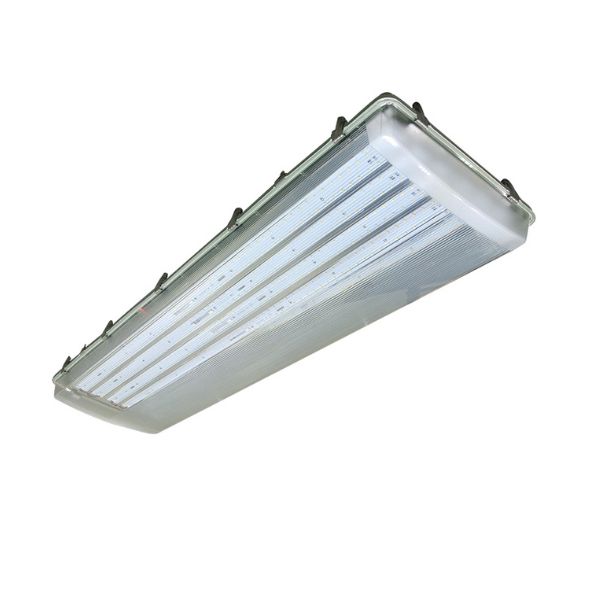
LED vapor tight fixtures have become the industry standard for underground parking garage lights, and for good reason. These luminaires are specifically designed to thrive in the challenging conditions of a garage, offering durability, high performance, and exceptional energy efficiency. Their sealed housings protect sensitive electronic components from moisture, dust, and corrosive fumes.
This resilience makes them an ideal choice for ensuring long-term, reliable operation with minimal maintenance. By combining the benefits of LED technology with a robust, protected design, these high-quality fixtures deliver superior illumination and significant cost savings. The following sections will explain what makes a fixture “vapor tight” and the advantages of different fixture lengths.
What Makes a Fixture “Vapor Tight” (IP65, IP66 Ratings Explained)
A fixture is considered “vapor tight” when it is fully sealed to prevent the intrusion of moisture, dust, and other contaminants. This is formally defined by its Ingress Protection (IP) rating. An IP rating consists of two digits: the first indicates protection against solid objects (like dust), and the second indicates protection against liquids (like water).
For damp or wet garage environments, fixtures with at least an IP65 rating are recommended. An IP65 rating means the fixture is completely dust-tight and can withstand low-pressure water jets from any direction. An even higher rating, IP66, indicates protection against powerful water jets. These waterproof LED fixtures are essential for areas prone to humidity, condensation, or wash-downs.
Key characteristics of a vapor tight fixture include:
- Sealed Housing: A gasketed enclosure, often made of polycarbonate or die-cast aluminum, prevents ingress.
- Shatterproof Lens: A durable lens protects the light source from impact and contaminants.
- IP65 or Higher Rating: This certification is the official measure of its protective capabilities.
- Corrosion Resistance: Materials are chosen to resist degradation from exhaust fumes and cleaning agents.
Advantages of Using 4ft, 5ft, and 8ft Vapor Tight Lights
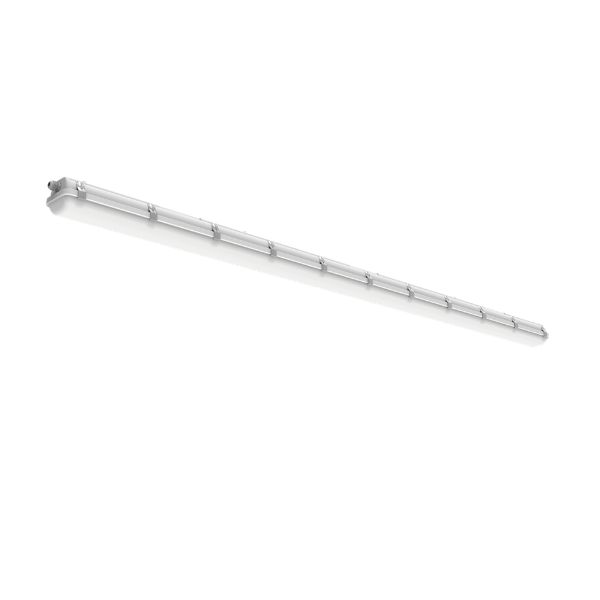
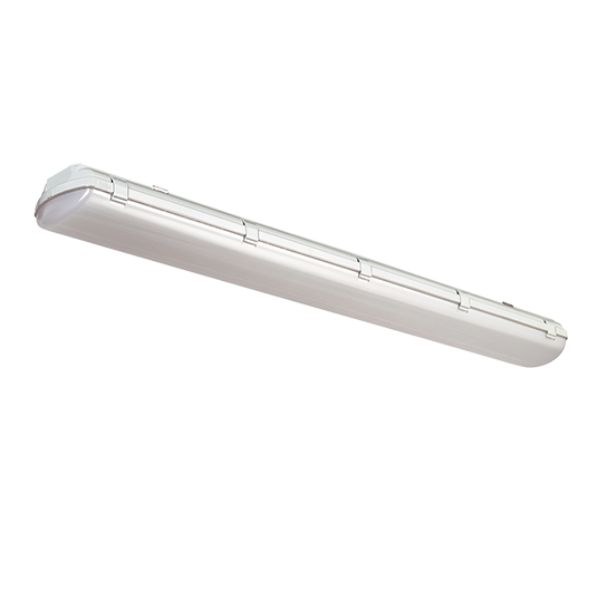
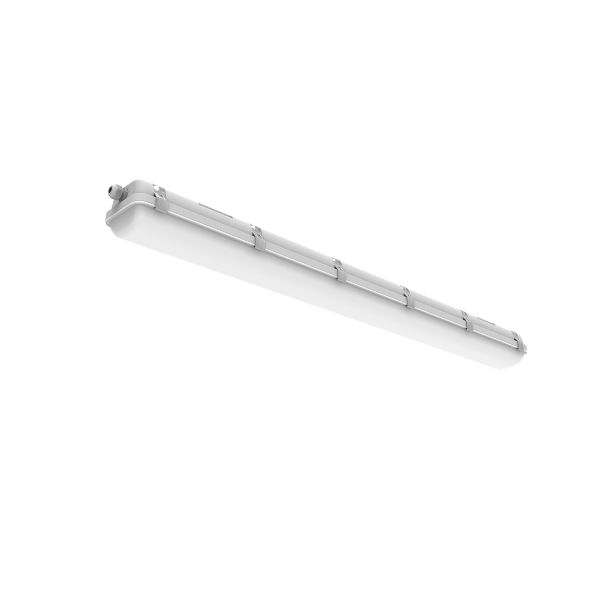
Linear LED vapor tight lighting is available in various lengths, most commonly 4ft, 5ft, and 8ft, each offering distinct advantages for parking garage lighting design. The choice of length often depends on ceiling height, desired light distribution, and the specific layout of the parking structure.
A 4ft vapor tight light is highly versatile and ideal for areas with lower ceiling heights or for filling in gaps in a lighting layout to ensure uniform coverage. Their compact size allows for precise placement in tight spaces. A 5ft vapor tight light is less common in North America but can be a good intermediate option. The 8ft vapor tight light is excellent for long, straight driving lanes and areas with higher ceilings, as it provides powerful, continuous illumination over a larger area with fewer fixtures.
Using longer fixtures like the 8ft model can reduce the total number of fixtures needed for a project, potentially lowering both material and installation costs. This can also simplify the electrical plan and reduce maintenance points over the life of the system. Ultimately, combining different lengths can create a highly optimized and efficient lighting design that maximizes energy savings.
Selecting a UL Listed or DLC Premium Vapor Tight Light
When selecting a vapor tight light, prioritizing fixtures with UL Listed and DLC Premium certifications is a critical step. A UL Listed mark ensures the product has been rigorously tested for safety against fire and electrical shock, a fundamental requirement for any commercial installation. This certification provides assurance that the light fixture is safe and reliable for its intended environment.
Opting for a DLC Premium vapor tight light goes a step further by guaranteeing top-tier energy efficiency and performance. These fixtures meet stringent criteria for light output, longevity, and quality, making them eligible for the highest utility rebates available. This can significantly reduce the initial project investment and maximize long-term energy savings, delivering a faster return on investment.
When making your selection, remember to:
- Verify Certifications: Always check for the official UL or ETL mark on the product datasheet and the fixture itself.
- Check the DLC QPL: Confirm the model is listed on the DesignLights Consortium’s Qualified Products List (QPL) to ensure rebate eligibility.
- Partner with a Trusted Supplier: Work with a reputable OEM vapor tight lighting supplier that can provide documentation for all certifications.
Beginner’s Guide to Choosing Underground Parking Garage Lighting Fixtures
For those new to specifying underground parking garage lighting, the process can seem complex. The goal is to select a lighting system that is safe, efficient, and compliant. This guide breaks down the selection process into manageable steps, from assessing your project’s needs to comparing suppliers.
By focusing on key factors such as fixture performance, code compliance, and layout requirements, you can confidently choose the right LED lighting for your garage areas. The following sections provide the essential information and a step-by-step process to guide you from start to finish.
Essential Equipment and Resources Needed to Get Started
Before you begin selecting fixtures, it’s important to gather the right equipment and resources. A successful lighting plan is built on accurate data and a clear understanding of the project’s requirements. These tools will help you assess the existing conditions and design a new system that meets all standards.
A light meter is an indispensable tool for measuring current illuminance levels throughout the garage space, allowing you to identify poorly lit areas. You will also need detailed architectural drawings or a floor plan of the garage. These plans are essential for mapping out fixture placement and ensuring complete coverage.
Here are some key resources to have on hand:
- A light meter to measure foot-candles (fc).
- Architectural plans or blueprints of the parking structure.
- Copies of local building and energy codes.
- The IES Lighting Handbook or other relevant Illuminating Engineering Society publications.
- Product specification sheets from potential suppliers.
Step-by-Step Guide to Selecting the Right Fixtures
Selecting the right fixtures for an underground parking garage involves a structured approach. This step-by-step guide will walk you through the process, ensuring you cover all critical aspects of the lighting design. Following these steps will help you specify a system that balances performance, cost, and compliance.
The process begins with a thorough assessment of your project’s unique needs and concludes with choosing a reliable supplier. Each step builds upon the last, leading to a well-informed decision that will result in a safe and efficient parking garage lighting design. This methodical approach helps avoid common pitfalls and ensures a successful outcome.
The key steps are:
- Step 1: Assess your project’s lighting needs and layout.
- Step 2: Evaluate fixture performance metrics like wattage, efficacy, and controls.
- Step 3: Ensure compliance with all relevant safety and building codes.
- Step 4: Compare OEM vapor tight lighting suppliers and manufacturers.
- Step 5: Finalize your lighting plan and fixture selection.
Step 1: Assess Your Project’s Lighting Needs and Layout
The first step in any lighting project is to conduct a comprehensive assessment of the garage space. This involves understanding the physical layout, identifying different usage zones, and determining the specific lighting requirements for each area. Consider factors like ceiling height, column spacing, and the presence of ramps, stairwells, or pedestrian walkways.
Walk through the entire facility to identify any problem areas, such as dark corners, areas with heavy shadows, or places where glare could be an issue. Use the architectural plans to map out these different garage areas and note their unique characteristics. This initial assessment forms the foundation of your lighting system design.
Are there recommended layouts for underground parking garage lighting fixtures? While there are best practices, every garage is different. The ideal layout depends on your specific structure. A custom lighting plan based on a detailed assessment will always yield the best results, ensuring uniform coverage and optimal safety in all garage environments.
Step 2: Evaluate Fixture Performance (Wattage, Efficacy, and Controls)
Once you understand your layout, the next step is to evaluate the performance of potential LED fixtures. Look beyond the initial price and consider key metrics that will determine the long-term cost and effectiveness of the lighting system. Three of the most important factors are wattage, efficacy, and controls.
Wattage indicates the amount of power a fixture consumes, directly affecting your energy bill. Efficacy, measured in lumens per watt (lm/W), tells you how efficiently a fixture converts electricity into light. A higher efficacy, such as 150lm/W high efficiency vapor tight, means more light for less energy consumption. Finally, evaluate the available controls. Fixtures compatible with 0-10V dimming, motion sensors, or other smart controls offer greater opportunities for energy savings.
When evaluating fixtures, focus on:
- High Efficacy (lm/W): Choose fixtures that provide the most light for the lowest wattage to maximize energy savings.
- Appropriate Lumen Output: Select a brightness level that meets IES standards for the specific area without over-lighting.
- Control Compatibility: Ensure the fixtures can integrate with dimmers and sensors to further reduce energy use.
Step 3: Ensure Compliance with Safety and Building Codes
Compliance is a critical, non-negotiable step in selecting garage lighting. All fixtures must meet national and local safety standards to protect against electrical and fire hazards. This means specifying products that are UL Listed or ETL Certified for use in damp or wet locations, a common requirement for underground garages.
Beyond safety, you must adhere to local building and energy codes. These codes often dictate minimum energy efficiency levels (e.g., through ASHRAE 90.1), required lighting controls, and emergency lighting provisions. For example, codes typically mandate that exit routes and stairwells have emergency battery backup lighting to ensure safe egress during a power outage.
Failing to select compliant listed fixtures can result in failed inspections, costly rework, and potential legal liability. Always verify that the products you choose meet all applicable regulations in your project’s jurisdiction. Partnering with a knowledgeable supplier can help ensure your lighting design is fully compliant.
Step 4: Compare OEM Vapor Tight Lighting Suppliers and Manufacturers
After defining your technical requirements, the final step is to select a reliable OEM vapor tight lighting supplier. Not all manufacturers are created equal, and your choice of partner can significantly impact project success. Look for a supplier with a proven track record, strong technical support, and a commitment to quality.
Evaluate potential suppliers based on their product range, warranty terms, and ability to provide comprehensive documentation, including spec sheets and certification files. An experienced manufacturer like Brandon Lighting can also offer value-added services such as lighting layout assistance, which helps ensure the final design is optimized for performance and efficiency. This is particularly valuable for contractors seeking a turnkey solution.
When comparing suppliers, consider the following:
- Product Quality and Certifications: Do they offer high-quality, fully certified LED fixtures?
- Technical Support and Services: Can they provide lighting layouts and expert advice?
- Warranty and Lead Times: Are their warranty terms robust and are they able to meet your project timeline?
Energy-Saving Strategies and Advanced Lighting Controls
Upgrading to LED fixtures is the first step toward significant energy savings, but incorporating advanced lighting controls can unlock even greater efficiency. A smart lighting system adapts to the real-time needs of the parking garage, ensuring light is only used when and where it’s needed.
By integrating technologies like dimming, motion sensors, and daylight harvesting, you can dramatically reduce energy consumption without compromising safety or visibility. These smart controls empower facility managers to optimize their lighting system for maximum performance and minimal operating cost. The following sections will explore some of the most effective strategies available.
Benefits of 0-10V Dimmable Vapor Tight Fixtures
One of the most effective energy-saving options is using 0-10V dimmable vapor tight fixtures. This widely adopted technology allows you to smoothly adjust the light output of your LED lighting from 100% down to 10% or even 0%. This level of control enables you to tailor light levels to meet the specific needs of an area or time of day, significantly reducing energy consumption during off-peak hours.
For example, you can set the general lighting in parking areas to a lower level (e.g., 30%) overnight and have it ramp up to full brightness only when motion is detected. This strategy maintains a baseline level of security lighting while capturing substantial energy savings. The simplicity and reliability of 0-10V dimming make it a popular choice for commercial projects.
The key benefits of 0-10V dimming include:
- Increased Energy Savings: Reduces power consumption by lowering light output when full brightness isn’t needed.
- Extended Fixture Lifespan: Operating LEDs at lower levels can reduce heat and prolong their operational life.
- Enhanced User Comfort: Gradual dimming is less jarring than abrupt on/off switching.
- Code Compliance: Helps meet modern energy codes that mandate dimming capabilities.
Integrating Motion Sensors and Daylight Harvesting
Integrating motion sensors and daylight harvesting are powerful smart lighting solutions that maximize energy efficiency. Motion sensors are particularly effective in underground parking garage lighting because they respond directly to occupancy. Fixtures can be programmed to operate at a low, energy-saving light level and then instantly ramp up to full brightness when a vehicle or pedestrian is detected, ensuring safety without wasting electricity on empty areas.
Daylight harvesting is another valuable strategy for parking structures with openings to the outside, such as entrances, exits, or open-sided levels. Photosensors measure the amount of available natural light and automatically dim the artificial lighting accordingly. This prevents the system from using unnecessary energy when sufficient daylight is present.
Effective integration strategies include:
- Zoned Control: Grouping fixtures into zones based on traffic patterns to optimize sensor response.
- Bi-Level Dimming: Using motion sensors to switch between a low standby light level and a full-brightness active level.
- Daylight-Responsive Dimming: Dimming fixtures near openings to take advantage of natural light.
- Networked Systems: Connecting all sensors and fixtures to a central controller for advanced programming and monitoring.
Emergency Battery Backup Solutions for Parking Structures
A reliable emergency lighting system is a life-safety requirement for any parking structure. In the event of a power failure, emergency battery backup solutions ensure that key areas remain illuminated, allowing for safe egress. Building codes, such as NFPA 101, mandate that exit routes, stairwells, and other critical paths maintain a minimum level of illumination for at least 90 minutes.
Modern LED fixtures can be specified with integrated emergency battery backup drivers. These devices automatically switch to battery power when the main AC power is cut, activating the LED fixture at a reduced light output. This provides a clean, seamless solution that eliminates the need for separate, bulky emergency lighting units.
When specifying emergency lighting, it’s crucial to work with your supplier to ensure the chosen LED fixtures and backup drivers are compatible and provide the required light output to meet code. Proper placement of these emergency-equipped fixtures along all paths of egress is a fundamental part of a safe parking garage lighting design.
Common Mistakes to Avoid When Specifying Parking Garage Lighting
When specifying parking garage lights, certain common mistakes can undermine the safety, efficiency, and compliance of the entire system. Overlooking key aspects of the lighting design or choosing the wrong products can lead to poor performance, higher costs, and potential liability.
Being aware of these pitfalls is the first step toward avoiding them. From neglecting uniformity to selecting non-compliant fixtures, these errors can be easily prevented with careful planning and attention to detail. The following sections will highlight some of the most frequent mistakes made in parking garage lighting projects.
Overlooking Uniformity and Shadow Reduction
A common mistake in parking garage lighting design is focusing solely on the average light level while overlooking uniformity. A design that produces bright hot spots and deep shadows creates a hazardous environment. Poor uniformity can reduce visibility, cause visual discomfort for drivers, and create hiding spots that compromise security.
The goal should be to achieve smooth, uniform coverage across the entire area, including around columns and in corners. This requires careful fixture placement and selecting luminaires with an appropriate beam angle or distribution pattern, such as a “batwing” distribution that pushes light out to the sides. A professional lighting layout can model the light distribution to ensure the design meets IES uniformity ratio recommendations.
To avoid this mistake:
- Request a Lighting Layout: Use photometric software to simulate the final light distribution and verify uniformity ratios.
- Choose the Right Optics: Select fixtures with wide distribution patterns designed for parking garage applications.
- Pay Attention to Placement: Position fixtures strategically to minimize shadows cast by structural elements.
Selecting Non-Compliant or Incorrectly Rated Fixtures
Another critical error is selecting fixtures that are not compliant with safety standards or are incorrectly rated for the environment. Using a light fixture that is not UL or ETL Listed is a major safety risk and a code violation. Similarly, installing a fixture that is not rated for damp or wet locations (e.g., IP65 or higher) in an underground garage can lead to premature failure and electrical hazards.
This mistake often happens when trying to cut costs by choosing a cheaper, uncertified product. However, the long-term consequences, including failed inspections, costly replacements, and potential safety incidents, far outweigh any initial savings. It is essential to verify that every fixture specified for the project has the proper certifications for its intended application.
Always confirm that your chosen fixtures are from a reputable manufacturer and that they carry the necessary UL, ETL, and DLC listings. A trusted OEM vapor tight lighting supplier will readily provide all documentation to prove compliance and help you select the right high-quality products for your project.
Conclusion
In conclusion, choosing the right underground parking garage lighting fixtures is crucial for ensuring safety, efficiency, and compliance with regulations. By understanding the importance of vapor tight lighting, adhering to industry standards, and considering factors such as illuminance levels and fixture performance, you can make informed decisions that positively impact your project outcomes. Avoid common pitfalls by thoroughly assessing your needs and evaluating suppliers. Lighting plays a vital role in both functionality and cost-effectiveness, so take the time to select fixtures that align with your goals. If you have questions or need guidance on your lighting projects, get in touch with our experts today.
Frequently Asked Questions
Which waterproof LED fixtures are best suited for underground parking garages?
The best waterproof LED fixtures for underground parking garages are vapor tight lights with an IP65 or higher rating. These sealed fixtures are specifically designed to protect against moisture, dust, and corrosive fumes common in garage environments, ensuring long-term durability and reliable performance for your parking garage lights.
How do I choose the right brightness level for a parking garage?
To choose the right brightness, refer to the Illuminating Engineering Society (IES) standards for recommended light levels (foot-candles) for different zones. A professional lighting design is crucial to calculate the required lumen output of your LED fixtures to meet these standards and ensure a safe, well-lit parking garage lighting environment.
Can motion sensors be used effectively in underground parking garage lighting?
Yes, motion sensors are highly effective and one of the best smart lighting solutions for maximizing energy savings in parking garage lighting. They allow light sources to operate at a lower level when areas are unoccupied and ramp up to full brightness instantly when motion is detected, ensuring safety without wasting energy.
What are the differences between UL listed and ETL certified vapor tight lights?
There is no functional difference between UL Listed and ETL Certified vapor tight lighting. Both marks indicate that the LED fixtures have been tested by a Nationally Recognized Testing Laboratory and meet the same North American safety standards. Choosing either ensures compliance and safety for your project.




Leave A Comment