
Key Highlights
- UL Listed light fixtures have passed rigorous safety standards set by Underwriters Laboratories.
- This certification ensures electrical safety and helps prevent fire risks in your home or business.
- UL certification is often required to meet local building codes and regulatory compliance.
- Different UL listings exist for dry, damp, and wet locations, indicating where a light fixture can be safely installed.
- You can verify a genuine UL Listed light fixture by checking for the official UL label or mark on the product and packaging.
- Choosing UL certified products provides peace of mind that your lighting systems are safe and reliable.
Introduction
When you purchase a new light fixture, you expect it to be safe and reliable. In the lighting industry, one of the most important indicators of quality and safety is the UL certification. This mark signifies that a product has undergone extensive testing to meet stringent safety standards. Understanding what this certification means is crucial for homeowners, designers, and contractors alike. This guide will walk you through everything you need to know about UL Listed light fixtures, from what the label means to why it matters for your projects.
Understanding UL Listed Light Fixtures
A UL Listing on a lighting product is a seal of approval from Underwriters Laboratories (UL), a third-party certification company. This mark indicates that a representative sample of the light fixture has been tested and meets specific, defined safety standards. It confirms that the product is free from a foreseeable risk of fire or electrical shock.
For lighting systems, this UL Listing is a consumer-facing approval, signifying the product is a standalone, market-ready item. Gaining this mark involves a thorough evaluation of the fixture’s electrical safety and durability, assuring you that it is safe for its intended use.
Definition of UL Listed for Lighting Products
What exactly does it mean when a lighting product is UL Listed? This designation is granted by Underwriters Laboratories, a globally recognized leader in safety science. The UL Listed mark signifies that a product has been tested against established standards for safety and has been found to be free of reasonably foreseeable risks, such as fire and electrical shock, under normal wear and tear.
This certification is specifically for consumer-ready, standalone products. Unlike other classifications, a UL Listed product is considered a complete package, ready for installation and use. It’s a highly recognized mark of trust in the lighting industry, often seen on items like smoke detectors, electrical appliances, and of course, light fixtures.
When you see the “UL” inside a black circle on a product, you can be confident that it has met high standards for electrical safety and sustainability. This ensures the product’s longevity and reliability, giving you peace of mind that you are purchasing a safe item for your home or business.
The Role of UL in Product Safety Certification
Underwriters Laboratories (UL) functions as a not-for-profit, independent testing laboratory. It is the largest and one of the most well-known Nationally Recognized Testing Laboratory (NRTL) in the world. UL’s primary role is to provide unbiased safety testing and certification for a vast range of products, ensuring they meet consistent quality and safety benchmarks.
While UL itself is not a regulatory body and cannot approve or reject products for production, its certifications are often required by governmental agencies at the federal, state, and local levels. These agencies may mandate that a product passes UL tests before it can be legally installed or used. Lighting engineers heavily rely on UL certification to ensure their projects comply with building codes and safety regulations, selecting certified products to guarantee a safe and dependable installation.
UL’s process ensures uniformity; all products undergo the same rigorous evaluation, so manufacturers and consumers receive results they can trust. This commitment to standardized safety testing has made UL a cornerstone of product safety across numerous industries for over a century.
Why UL Certification Matters for Selecting Light Fixtures
Choosing a light fixture with UL certification is a critical step in ensuring the safety of your space. This certification confirms that the product adheres to strict safety standards designed to prevent electrical and fire hazards. When a fixture is UL Listed, it means it has been rigorously tested for potential risks, giving you confidence in its performance and construction.
Beyond personal safety, UL certification often plays a key role in regulatory compliance. Many local building codes mandate the use of UL Listed electrical products. Opting for certified fixtures helps you avoid potential issues with inspections and ensures your installation is up to code. We will now explore how this certification directly contributes to home safety and meets legal requirements.
Ensuring Home Safety and Fire Prevention
UL Listed light fixtures are undeniably safer than their non-listed counterparts. The reason lies in the comprehensive testing process they undergo. These certified products are evaluated against stringent safety standards that cover electrical safety, mechanical durability, and resistance to environmental factors. This testing is specifically designed to identify and eliminate potential hazards like electrical shock and fire risks.
When you install a UL Listed fixture, you are protecting your home and family. Non-listed products have not been verified by an independent third party, meaning there is no guarantee they were built to withstand normal use without posing a danger. The UL mark serves as an assurance that the fixture has been vetted for safety.
Furthermore, UL’s oversight doesn’t end after the initial certification. The organization conducts unannounced follow-up visits to manufacturing facilities several times a year to ensure that the high standards are consistently met. This ongoing verification ensures that the certified products you buy continue to uphold the promise of safety.
Meeting U.S. Regulatory Requirements
While it isn’t a federal law that every light fixture in your home must be UL certified, it is often a requirement for regulatory compliance at the local level. Many municipal building codes explicitly require that electrical fixtures installed in homes and commercial buildings carry a certification from a Nationally Recognized Testing Laboratory (NRTL) like UL. This is to ensure public safety and reduce the risk of property damage from faulty electrical equipment.
Other recognized testing laboratories can also provide certifications that meet these requirements. Similar to UL, these organizations test products against established safety standards. Some of these include:
- ETL (Electrical Testing Labs): Now part of Intertek, ETL is an NRTL that tests products to the same UL standards.
- CSA Group (Canadian Standards Association): A Canadian-based company accredited by the American National Standards Institute (ANSI) in the United States, providing a widely accepted certification.
Even if not strictly required for a specific residential application, using UL Listed fixtures is a best practice. It’s similar to choosing FDA-approved products; consumers and contractors opt for certified items because they prioritize safety and efficacy. Failing to use certified products where required can lead to failed inspections, fines, or even the denial of an insurance claim in the event of a fire.
Types of UL Listings for Light Fixtures
Not all light fixtures are created equal, and their UL Listing often specifies the environment where they can be safely used. The UL Listing mark on a lighting product will indicate its suitability for different conditions, primarily categorized by the level of moisture exposure the fixture can handle.
These designations are crucial for ensuring both the safety and longevity of your lighting. The three main types of UL Listings for lights are for dry, damp, and wet locations. Understanding the difference between these ratings will help you select the correct fixture for every area of your home or business, from a living room to an outdoor patio.
Dry Location UL Listings
A UL Listing for “Dry Locations” is the most common rating for interior lighting products. This designation means the light fixture is designed for use in areas that are not typically subject to moisture or dampness. These are spaces where humidity and water exposure are not a concern.
Most rooms inside a home, such as living rooms, bedrooms, dining rooms, and hallways, are considered dry locations. A fixture with this UL Listing is built to safety standards appropriate for these environments. It will be protected from dust and debris but is not sealed to prevent moisture from reaching its electrical components.
It’s important to only use fixtures with a dry location rating in their intended settings. While they may be used in areas that experience temporary dampness, such as a building under construction, they are not suitable for places with consistent moisture accumulation. Using them in a bathroom or outdoors could lead to damage, electrical shorts, and a significant safety hazard.
Damp Location UL Listings
A light fixture with a UL Listing for “Damp Locations” is designed to withstand environments where moisture or condensation is present but is not in direct contact with water. The UL Listing mark will explicitly state “Suitable for Damp Locations” on these products. This rating indicates a higher level of protection than a dry-rated fixture.
These lighting applications are ideal for areas like bathrooms (outside of the shower), laundry rooms, covered porches, and basements. The construction of a damp-rated fixture ensures that its electrical components are protected from ambient moisture and condensation, preventing rust, corrosion, and electrical failures.
While a fixture rated for wet locations can be used in a damp location, the reverse is not true. A damp-rated fixture is not sealed tightly enough to handle direct exposure to rain, snow, or water spray. Using one in an inappropriate setting can compromise its safety and functionality, so always match the fixture’s rating to its environment.
Wet Location UL Listings
When a light fixture needs to withstand direct contact with water or other liquids, it requires a UL Listing for “Wet Locations.” These fixtures have passed rigorous safety testing by electrical testing labs to ensure they are completely sealed against moisture intrusion. The UL certification mark will clearly state “Suitable for Wet Locations,” signifying the highest level of water protection.
This rating is necessary for outdoor lighting applications such as landscape lights, uncovered porch lights, and post top lights. It is also required for interior spaces where fixtures are exposed to water, like in shower enclosures or steam rooms. The robust construction prevents water from reaching the internal wiring, protecting against short circuits and electrical hazards.
Here is a quick comparison of the three location ratings to help you choose the right fixture:
| Location Rating | Permitted Uses | Examples of Placement |
|---|---|---|
| Dry Location | Indoor areas protected from all moisture and condensation. | Living rooms, bedrooms, hallways, closets. |
| Damp Location | Indoor or covered outdoor areas with ambient moisture but no direct water contact. | Bathrooms (not in shower), covered patios, basements. |
| Wet Location | Indoor or outdoor areas with direct exposure to water, rain, or snow. | Showers, open-air decks, landscape lighting, wall packs. |

How to Identify Genuine UL Listed Light Fixtures
Identifying a genuine UL Listed light fixture is straightforward if you know what to look for. The most reliable product identification feature is the official UL Mark itself. This symbol is a declaration from the manufacturer that the product meets UL’s stringent requirements. It’s more than just a logo; it’s a seal of approval for safety.
When shopping for certified products, you should always check for this mark on the product, its tag, or the packaging. The presence of the UL symbol is the primary way to distinguish a tested and certified fixture from a non-listed one. Next, we’ll discuss how to check for the authentic UL label and understand the codes on the packaging.
Checking the UL Label or Mark
The most direct way to verify if a light fixture is UL Listed is to look for the official UL Mark. This seal of approval is typically found on a permanent label affixed directly to the product. It should be easily visible on the fixture’s housing, base, or near the electrical wiring.
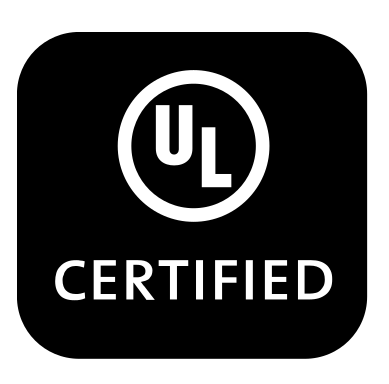
The authentic UL label for a Listed product consists of the letters “UL” enclosed within a circle. There are slight variations, but they will always be clearly identifiable. Be wary of incorrect verbiage, as fraudulent products may use misleading phrases. Authentic certified products will never be marked with:
- UL Approved
- UL Certification Pending
- New UL Certification Mark
Instead, look for the official symbol accompanied by the word “LISTED” and a control number. This combination confirms that the product has been evaluated by UL and meets their applicable safety standards. Always take a moment to locate this mark before purchasing or installing a light fixture to ensure you are getting a genuinely certified product.
Recognizing UL Listing Codes on Product Packaging
In addition to the label on the fixture itself, you can find UL listing codes and information on the product packaging. The packaging for a certified product will prominently display the UL certification mark, providing an initial, easy-to-spot confirmation of its status. This mark should look identical to the one on the product—the letters “UL” inside a circle.
For further verification, you can use the product information found on the label or packaging. Genuine UL Listed products include a unique UL file number or control number. This code can be used to look up the product in UL’s online database, known as UL Product iQ. This powerful tool allows you to confirm the certification’s authenticity and view detailed information about the specific product and its manufacturer.
By cross-referencing the UL listing codes, you can be certain that the fixture is legitimate and not a counterfeit. This extra step provides the ultimate peace of mind, ensuring the product you bring into your home has truly met UL’s rigorous safety standards.
The UL Listing Process for Lighting Manufacturers
The UL Listing process is a comprehensive and structured journey that manufacturers must navigate to get their lighting products certified. It involves rigorous testing and evaluation to ensure every aspect of the product meets UL’s demanding safety standards. Unlike certifications from a company like Intertek that may also test to UL standards, the UL process is known for being exceptionally thorough.
From initial design to final production, manufacturers must follow specific steps to achieve certification. This involves submitting product designs and documentation, followed by a series of UL tests and factory inspections. The following sections will detail these key stages in the path to getting a lighting product UL Listed.
Product Design and Documentation Steps
The UL Listing process begins long before a product hits the assembly line. For manufacturers of new products, it is most effective to start early in the development cycle. Designing a fixture with UL safety standards in mind from the outset is far more efficient than redesigning an existing product later to meet the requirements.
During this initial phase, manufacturers must compile extensive product documentation. This includes detailed schematics, a list of all components, material specifications, and assembly instructions. It’s also beneficial to use UL Recognized components within the design, as this can reduce the time and complexity of the final testing.
For those new to the lighting industry or the UL Listing process, UL Solutions offers preliminary evaluations. This allows manufacturers to submit prototype designs for review, helping to identify potential compliance issues early. This pre-testing step is a cost-effective way to ensure the final product is on track to meet all necessary safety standards before moving to formal testing.
Testing, Inspection, and Certification Procedures
Once the design and documentation are complete, the lighting product undergoes rigorous testing. UL tests cover a wide range of potential hazards to ensure the product meets all relevant safety standards. These evaluations include tests for electrical safety to prevent shock, mechanical safety to ensure structural integrity, and durability under adverse conditions.
The testing process is comprehensive, examining how the product performs under various stresses. This ensures that the fixture will be safe and reliable throughout its expected lifespan. Only after a product successfully passes all required UL tests can it move toward certification.
Certification is not a one-time event. After a product is certified, UL conducts ongoing third-party verification. Field representatives make unannounced visits to the manufacturer’s facilities multiple times a year to ensure that the certified products continue to be made to the same high standards. This continuous oversight guarantees the integrity of the UL mark and the safety of the products that bear it.
Conclusion
In summary, selecting UL listed light fixtures is crucial for ensuring safety and compliance with regulatory standards. Understanding the UL certification process provides peace of mind, knowing that your lighting products have undergone rigorous testing and inspection. By familiarizing yourself with the different types of UL listings—dry, damp, and wet location—you can make informed decisions based on the specific requirements of each area in your home or business. Whether you are renovating or building from scratch, prioritizing UL listed products will help prevent potential hazards and support overall safety. For businesses looking to upgrade their lighting solutions, don’t hesitate to get quotes to find the best options available.
Frequently Asked Questions
Are UL listed light fixtures truly safer than non-listed ones?
Yes, UL Listed light fixtures are significantly safer. They have undergone rigorous testing to meet strict safety standards for electrical safety and fire safety. Non-listed fixtures have not been independently verified, meaning they may pose unforeseen risks of electrical shock or fire that a certified product is designed to prevent.
Do all residential light fixtures need to be UL certified in the United States?
While no federal law requires all residential lighting products to be UL certified, many local building codes mandate it for regulatory compliance. Using fixtures certified by a recognized testing laboratory like UL is a best practice that ensures safety and helps you pass electrical inspections.
Can I trust UL listed lights purchased from online retailers?
Yes, you can generally trust UL Listed lights from reputable online retailers. However, always verify the product identification feature by checking for the official UL mark on product images or in the description. For extra assurance, use the product’s file number to look it up on the UL Product iQ database.

Leave A Comment