
Key Highlights
- Architectural interior lighting is crucial for defining the functionality, feel, and brand identity of modern office spaces.
- Effective architectural lighting design involves layering different types of lighting, including ambient, task, and accent lighting.
- Key trends for 2026 include Human-Centric Lighting (HCL), seamless linear fixtures, and sustainable, low-carbon lighting systems.
- A professional lighting design considers factors like visual comfort, energy efficiency, and the integration of smart controls.
- The right lighting solutions can transform a workspace, boosting productivity, well-being, and aesthetic appeal.
Introduction
As workspaces evolve, the role of architectural interior lighting is more significant than ever. It’s no longer just about illumination; it’s a fundamental element of interior design that shapes experiences. A strategic lighting plan can enhance productivity, support employee well-being, and reinforce a company’s brand identity. For architects and designers creating the offices of 2026, understanding how to use light as a tool is essential for crafting environments that are both functional and inspiring.
Evolving Office Spaces in 2026: The New Role of Architectural Interior Lighting
The modern office is undergoing a profound transformation. With the rise of hybrid work models and a greater focus on employee well-being, companies are rethinking their physical environments. This shift has placed a new emphasis on architectural interior lighting, moving it from a practical necessity to a strategic design element.
Looking ahead to 2026, new lighting trends are emerging to meet these evolving lighting needs. Designers are now using advanced lighting solutions not just to illuminate a room, but to define architectural features, create specific moods, and build adaptable spaces that cater to diverse work styles.
Redefining Workspace Functionality with Lighting Design
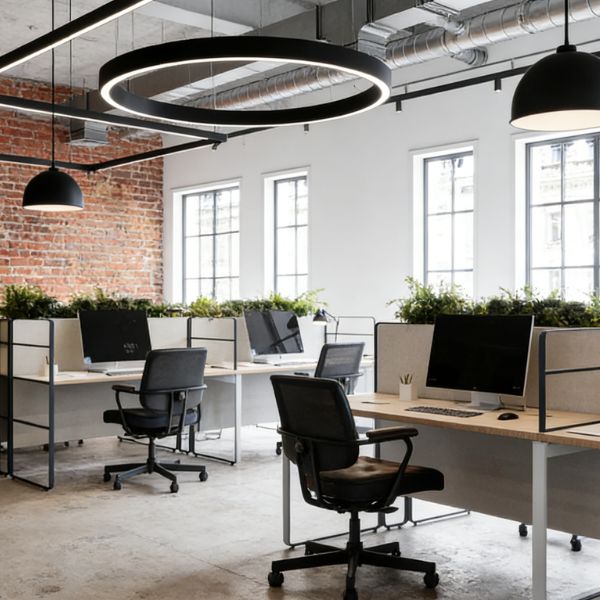
The purpose of architectural lighting design in interiors is to create spaces that are both beautiful and highly functional. In a modern office, different areas have distinct purposes, from focused individual work to dynamic team collaboration. A well-designed lighting system uses a mix of lighting fixtures to support these varied activities. For example, focused task lighting is essential over workstations to provide clear, bright light that reduces eye strain and improves concentration.
In contrast, meeting rooms and collaborative zones may benefit from more flexible lighting systems. Here, adjustable light levels allow users to adapt the environment to the task at hand, whether it’s an energetic brainstorming session or a formal presentation. By thoughtfully selecting and placing lighting fixtures, you can ensure every part of the office is optimized for its intended use.
This strategic approach goes beyond simply providing light. It involves creating a hierarchy of illumination that guides people through the space and makes the environment intuitive to use. Ultimately, a functional lighting design helps employees perform their best by providing the right light for every task.
Creating Environments That Support Well-being and Productivity
The look and feel of an architectural space are directly influenced by its lighting, which in turn affects occupant well-being and productivity. Poorly lit offices can lead to eye strain, headaches, and fatigue, whereas a well-designed scheme promotes visual comfort and alertness. The goal is to create an environment where employees feel energized, focused, and comfortable throughout the day.
One of the key factors is color temperature. Cooler, blue-toned light mimics daylight and can boost concentration, making it ideal for areas dedicated to focused work. In contrast, warmer, yellow-toned light creates a more relaxed and inviting atmosphere, perfect for break rooms and lounge areas. By varying the color temperature, you can craft distinct zones that support different moods and activities.
Beyond color, factors like glare reduction and the quality of task lighting are critical. Providing illumination that is both sufficient and free of harsh reflections ensures that employees can work comfortably for extended periods. This focus on human-centric principles not only enhances productivity but also shows a commitment to employee health, which is a key component of modern office design.
Enhancing Brand Identity Through Strategic Lighting
Lighting is a powerful, often subtle, tool for expressing a company’s brand identity. The way a space is lit can communicate values like innovation, stability, creativity, or sophistication. For example, a tech startup might use dynamic, colorful lighting solutions to convey energy and forward-thinking, while a law firm might opt for a more classic, refined lighting scheme to project an image of trustworthiness.
Strategic use of accent lighting is particularly effective in reinforcing a brand. By using light to highlight architectural features, company logos, or key pieces of artwork, you can create focal points that draw attention and tell a story about the brand. This technique adds layers of visual interest to the space and ensures that important brand elements are seen and remembered.
Ultimately, the lighting in your office is an extension of your brand’s voice. A cohesive lighting strategy helps create a memorable experience for both employees and visitors. It transforms the physical space into a tangible representation of the company’s culture and mission, making a lasting impression from the moment someone walks through the door.
Essential Principles of Architectural Interior Lighting Design
Effective architectural lighting design is built on a foundation of core principles that balance aesthetics, functionality, and efficiency. The essential principles of architecture interior lighting design involve understanding how to layer light, control light levels, and integrate different light sources to create a cohesive and comfortable environment.
By mastering these fundamentals, designers can craft spaces that are not only visually appealing but also practical and responsible. This includes managing energy consumption while providing the right amount of light for every task. The following sections explore these key principles in more detail, offering practical guidance for your next project.
Layering Light: Ambient, Task, and Accent Illumination
One of the most fundamental principles in lighting design is layering. This technique involves combining three main types of lighting to create a balanced, flexible, and visually interesting space. By using ambient, task, and accent illumination together, you can achieve depth and functionality that a single light source cannot provide.
Each layer serves a distinct purpose, and understanding their roles is key to a successful design. These layers work in harmony to meet the diverse needs of a modern office.
- Ambient Lighting: This is the general, overall illumination that fills a room. It provides a comfortable base level of brightness and ensures safe navigation. It is often created with ceiling fixtures or recessed lights.
- Task Lighting: This is focused light directed at specific areas where activities like reading, writing, or computer work occur. It prevents eye strain and improves visibility for detailed work.
- Accent Lighting: This layer is used to highlight architectural details, artwork, or other focal points. It creates visual interest and drama, adding a sophisticated touch to the design.
By skillfully combining these three types of lighting, you can craft a dynamic environment that adapts to different uses and moods. This layered approach is the cornerstone of professional and effective interior lighting design.
Balancing Aesthetics and Performance in Office Interiors
A successful lighting design must strike a careful balance between aesthetics and performance. While the choice of fixtures can enhance the style of a space, the true measure of a design lies in its ability to perform its function effectively. This means considering factors like light distribution, glare control, and visual comfort alongside the visual appeal of the fixtures themselves.
The lighting design process should begin with an analysis of the space’s architectural features and its intended use. How will people move through the area? What tasks will they perform? The answers to these questions will guide decisions about where light is needed most and what quality of light is required. The goal is to create a scheme that feels natural and supportive, not one that is harsh or distracting.
Ultimately, the best designs are those where aesthetics and performance are so seamlessly integrated that they are indistinguishable. The light should feel like an intrinsic part of the architecture, enhancing the space’s form and function without calling undue attention to itself. This thoughtful balance is what elevates a lighting scheme from merely adequate to truly exceptional.
Integrating Natural and Artificial Light Sources
One of the most effective techniques for transforming interior spaces is the thoughtful integration of natural and artificial light. Natural light is a valuable asset in any office, known to boost mood, improve well-being, and reduce energy consumption. Maximizing its presence should be a primary goal in any lighting design. This can be achieved through strategic placement of windows, skylights, and reflective surfaces.
However, natural light is variable and cannot be relied upon to provide consistent illumination throughout the day or in all areas of an office. This is where artificial lighting comes in. A well-designed system supplements daylight, ensuring that light levels remain adequate and comfortable at all times. The key is to make the transition between natural and artificial sources as seamless as possible.
Advanced control systems play a crucial role in this integration. Techniques like daylight harvesting use sensors to measure the amount of natural light entering a space and automatically adjust the output of artificial fixtures accordingly. This not only ensures optimal illumination but also maximizes energy efficiency. By creating a symbiotic relationship between natural and artificial lighting, you can craft an environment that is both pleasant and sustainable.
Types of Architectural Lighting Used in Modern Offices
The array of lighting fixtures available for modern commercial spaces is vast and varied. From sleek linear profiles to sophisticated tunable systems, the types of lighting chosen play a pivotal role in defining the character and functionality of an office. The right modern lighting can guide movement, define zones, and enhance architectural form.
Selecting the appropriate lighting fixtures is a critical decision for designers. Understanding the applications and benefits of different systems allows you to create a lighting plan that is both technically sound and aesthetically compelling. We will now explore some of the most prominent types of architectural lighting used in today’s forward-thinking offices.
Linear Architectural Lighting Applications
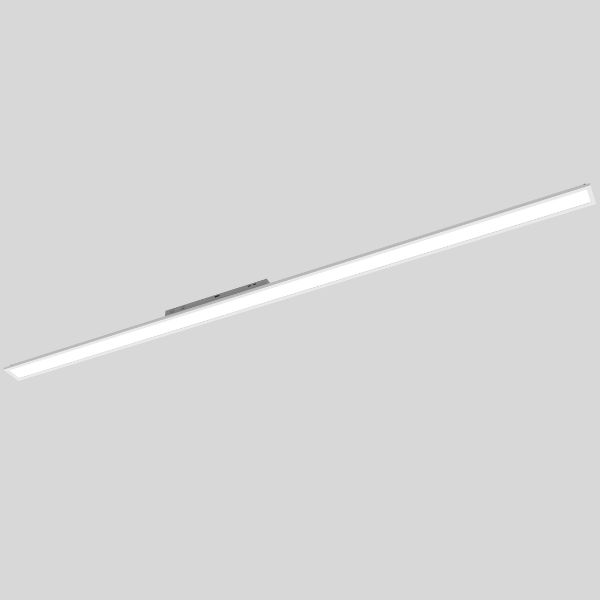
Linear architectural lighting has become a defining feature of modern office interiors. Its clean lines and versatile forms make it an ideal choice for creating a contemporary aesthetic. These fixtures, which can be recessed, surface-mounted, or suspended as pendant lights, offer a powerful tool for designers to guide the eye, define spaces, and emphasize the geometry of a room.
One of the primary applications of linear lighting is providing general illumination. When used in continuous runs, these fixtures can deliver smooth, even light across large open-plan areas, creating a bright and welcoming environment. Their minimalist appearance allows them to blend seamlessly into the ceiling or be used as a deliberate design element, depending on the desired effect.
Beyond general lighting, linear fixtures are also used to create visual pathways, highlight circulation routes, and add a sense of rhythm to a space. Unlike more traditional options like track lighting, linear systems provide a continuous, unbroken line of light that reinforces architectural lines and creates a sense of flow. This makes them exceptionally effective at shaping how people experience and navigate an office environment.

Human-Centric Lighting (HCL) and Tunable White Systems
Human-Centric Lighting (HCL) is a design approach that puts the well-being of occupants at the forefront. It uses advanced lighting systems, specifically tunable white technology, to support our natural circadian rhythms. These systems can dynamically change the color temperature and intensity of light throughout the day, mimicking the natural progression of sunlight from morning to evening.
The science behind HCL is compelling. Exposure to cool, high-intensity light in the morning can boost alertness and productivity, while warmer, lower-intensity light in the afternoon helps us wind down. By aligning the indoor lighting environment with our biological clocks, HCL can improve mood, enhance focus, and promote better sleep patterns, contributing to overall visual comfort and health.
Implementing these lighting systems allows designers to create environments that are more responsive to human needs. The ability to adjust color temperature not only supports well-being but also offers aesthetic flexibility, allowing the mood of a space to be altered with the touch of a button.
| Time of Day | Recommended Color Temperature (Kelvin) | Purpose |
|---|---|---|
| Morning (9 AM – 12 PM) | 4000K – 5000K (Cool White) | Boosts alertness and concentration |
| Midday (12 PM – 3 PM) | 3500K – 4500K (Neutral to Cool White) | Maintains energy and focus |
| Afternoon (3 PM – 6 PM) | 2700K – 3500K (Warm to Neutral White) | Promotes a calmer, less stimulating environment |
Acoustic Lighting Integration for Functional Open Spaces
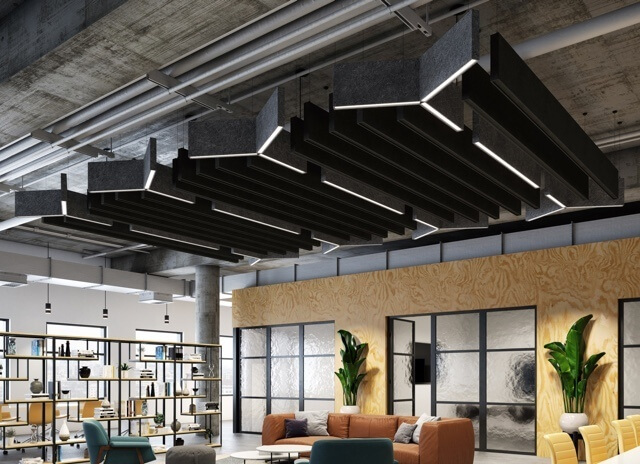
In today’s open-plan offices, managing acoustics is as important as managing light. Excessive noise can be a major source of distraction, impacting concentration and productivity. Acoustic lighting offers an innovative two-in-one solution, combining high-performance illumination with sound-absorbing materials. These multifunctional fixtures are designed to improve both the visual and auditory comfort of open spaces.
These lighting solutions typically feature large felt- or fabric-covered surfaces made from materials that trap sound waves, reducing reverberation and ambient noise. By integrating lighting and acoustics into a single product, designers can address two critical environmental factors without cluttering the ceiling with separate panels and fixtures. This creates a cleaner, more cohesive aesthetic.
The impact of acoustic lighting on the look and feel of a space is significant. It helps create an environment that feels calmer, more focused, and less chaotic. While the primary benefit is noise reduction, these fixtures also come in a variety of shapes, colors, and sizes, allowing them to serve as bold design statements or blend subtly into the background, all while maintaining efficient energy consumption.
Top Modern Office Lighting Trends for 2026
As we look toward 2026, the world of modern lighting design is being shaped by a convergence of technology, sustainability, and human-centric principles. The latest lighting trends are focused on creating interior spaces that are not only visually stunning but also intelligent, adaptable, and a pleasure to be in.
From a renewed focus on energy efficiency and low-carbon solutions to the integration of smart lighting systems, these trends reflect a deeper understanding of how light impacts every aspect of the office experience. The following sections will highlight the key movements that are set to define commercial lighting in the near future.
Sustainable Lighting Solutions and Low-Carbon Design
Sustainability is no longer a niche consideration in design; it’s a core requirement. For lighting, this means a strong focus on reducing energy consumption and minimizing environmental impact. Sustainable lighting solutions are central to achieving green building certifications like LEED and WELL, which are becoming increasingly important for modern commercial properties.
The primary driver of this trend is the widespread adoption of LED technology. LEDs offer exceptional energy efficiency, consuming significantly less power than their predecessors and boasting a much longer lifespan. This not only reduces operational costs but also lowers the carbon footprint of a building over time. Paired with smart controls, such as occupancy sensors and daylight harvesting, the energy savings can be substantial.
Beyond simply using LEDs, a truly low-carbon design approach also considers the entire lifecycle of a fixture, from the materials used in its construction to its end-of-life recyclability. By specifying fixtures from manufacturers who are committed to sustainable practices, designers can create spaces that are responsible as well as beautiful, positively impacting both the planet and the people within the space.
“Resimercial” Lighting: Blending Comfort and Corporate Ambiance
The line between home and office is blurring, and this is reflected in the rise of “resimercial” design—a blend of residential and commercial aesthetics. This trend aims to create work environments that feel more like a comfortable, welcoming home than a sterile corporate office. Lighting plays a key role in achieving this, helping to craft a warm and inviting mood of a space.
Instead of uniform, high-intensity lighting throughout, a resimercial approach uses a more varied and nuanced palette of light. This often involves incorporating decorative lighting fixtures, such as stylish pendant lights, floor lamps, and wall sconces, which are more commonly associated with residential interiors. These elements add character and a sense of softness to the environment.
The goal of resimercial lighting is to create a sense of comfort and well-being, particularly in non-traditional work areas. Key applications include:
- Breakout Lounges: Using warm, dimmable downlights and cozy floor lamps to create a relaxed atmosphere.
- Collaboration Nooks: Employing decorative pendant lights to define a space and add a touch of personality.
- Cafeterias and Kitchens: Mixing functional lighting with stylish fixtures to create a welcoming, social hub.
This trend acknowledges that employees do their best work when they feel comfortable and at ease in their surroundings.
Smart Sensors, Controls, and LED Technologies
Architects choose lighting fixtures for modern designs based on a combination of performance, aesthetics, and technological capability. Today, that increasingly means selecting smart lighting systems that offer unparalleled control and efficiency. The integration of advanced LED technologies with sophisticated lighting control systems is transforming how we manage and experience light in the workplace.
These smart systems go far beyond a simple on/off switch. They allow for granular control over every aspect of the lighting environment, from brightness and color temperature to scheduling and scene-setting. This level of control enables the creation of truly dynamic and responsive spaces that can adapt to the changing needs of occupants throughout the day.
The power of these systems is unlocked through a network of sensors and intelligent software. Some key components include:
- Motion Sensors: These ensure that lights are only on when a space is occupied, dramatically reducing energy waste.
- Daylight Sensors: By measuring ambient light levels, these sensors can automatically dim artificial lights when there is sufficient natural light, a process known as daylight harvesting.
- Networked Controls: These allow facility managers to monitor and adjust the entire lighting system from a central dashboard, optimizing performance and simplifying maintenance.
Transforming Interior Spaces with Lighting Techniques
The right lighting techniques can completely transform an interior space, shaping perception and creating specific moods. By strategically manipulating the light source, designers can draw attention to architectural details, create compelling focal points, and even alter the perceived size and shape of a room. It’s a powerful tool for sculpting space with light.
From highlighting key features to designing for specific activities, the application of different lighting techniques is what brings a design concept to life. The following sections will explore some common methods used by professionals to create dynamic, functional, and visually engaging interiors.
Highlighting Architectural Features Using Light
One of the most impactful uses of lighting is to highlight the architectural features of a space. This is typically achieved with accent lighting, which is used to create contrast and draw the eye to specific elements. By carefully directing light, you can add depth, texture, and visual interest to an interior, transforming flat surfaces into dynamic compositions.
Techniques like wall grazing and wall washing are commonly used for this purpose. Grazing, where light is placed close to a textured surface like brick or stone, creates dramatic shadows that emphasize the material’s texture. Washing, on the other hand, involves bathing a smooth wall in an even layer of light, which can make a space feel larger and more open.
The key is to be selective and intentional. Not every feature needs to be highlighted. By choosing a few specific features to accentuate, you create a clear visual hierarchy and guide people’s attention. This can be used to:
- Emphasize the height of a ceiling with uplighting.
- Showcase an interesting column or structural element.
- Draw attention to a unique wall finish or material.
- Create a focal point around a piece of built-in furniture.
Design Strategies for Enhanced Collaboration and Focus
A key technique for transforming modern offices is to create a lighting plan that supports both collaborative and focused work. The lighting needs for these two specific activities are very different, and a successful design must cater to both. This is achieved by creating distinct lighting zones within the office, each tailored to the tasks performed there.
For areas designed for focused work, such as individual workstations or quiet rooms, the priority is providing high-quality, glare-free task lighting. The lighting solutions here should be bright and uniform, with a cooler color temperature to promote alertness and concentration. This ensures that employees can work comfortably for long periods without experiencing eye strain or fatigue.
In collaborative zones, such as meeting rooms and breakout spaces, the lighting should be more flexible and dynamic. Here, lighting control systems that allow users to adjust brightness and color temperature are invaluable. A brighter, more energetic setting might be used for a brainstorming session, while a warmer, more subdued atmosphere could be created for an informal chat. This adaptability is central to creating a multi-functional and effective workspace.
Avoiding Common Mistakes in Office Lighting Design
Even the most well-intentioned lighting plans can fall short if common pitfalls are not avoided. A poor lighting design can result in an environment that is uncomfortable, inefficient, and visually unappealing. Knowing what mistakes to look out for is just as important as knowing which techniques to use.
One of the most frequent errors is creating a “one-size-fits-all” lighting scheme. Using the same type of fixture and the same light level throughout an entire office ignores the diverse needs of different spaces and tasks. This often leads to areas that are over-lit, causing glare and wasting energy, or under-lit, resulting in eye strain and a gloomy atmosphere.
Getting the right lighting is about balance and careful planning. To ensure a successful project, be sure to avoid these common mistakes:
- Ignoring Glare: Placing lights directly in the line of sight or where they will reflect off screens causes significant visual discomfort.
- Creating Harsh Shadows: Poorly positioned downlights can create unflattering shadows on people’s faces and make tasks more difficult.
- Forgetting Controls: Failing to provide dimmers or other controls removes the flexibility needed to adapt the space to different activities.
- Overlooking Maintenance: Choosing fixtures that are difficult to access and maintain can lead to high long-term costs and reduced performance.
Conclusion
As we look toward 2026, the evolution of architectural interior lighting continues to play a pivotal role in shaping modern office spaces. By embracing innovative trends such as human-centric lighting, sustainable solutions, and acoustic integration, designers and architects can create environments that not only enhance productivity but also support employee well-being. The strategic use of lighting is essential in defining brand identity and fostering collaboration in today’s hybrid work models. To successfully implement these trends, partnering with a reliable manufacturer like Brandon Lighting ensures access to high-quality, customizable commercial LED solutions. Explore our product catalog or get in touch with our team for expert support on your next project. Together, let’s illuminate the future of workspaces.
Frequently Asked Questions
How do architects select the right commercial lighting fixtures for office environments?
Architects and interior designers select lighting fixtures based on several factors. They consider the specific purpose of the space, the desired aesthetic, and performance metrics like energy efficiency and compatibility with control systems. The goal is to choose fixtures that meet both the functional and design requirements of the project.
What are practical tips for beginners starting with architectural interior lighting?
For beginners, a great starting point is to develop a basic lighting plan. Think in layers by combining different types of lighting. Start with general ambient light, then add focused task lighting like desk lamps for specific activities, and finally consider using wall sconces for accent and visual interest.
Where can I find examples of effective architectural interior lighting projects for offices?
You can find excellent examples of architectural lighting design in professional design magazines, on architectural websites, and in the portfolios of lighting manufacturers. While a living room has different needs, looking at how designers handle commercial spaces and other modern interior spaces can provide great inspiration for office projects.

Leave A Comment