
Key Highlights
- Contractors start with project needs, not product trends, when choosing led lights for commercial lighting.
- The best lighting solutions balance energy efficiency, installation method, durability, and code-driven performance.
- Fixture type matters because different spaces demand different results, from office spaces to harsh industrial areas.
- Compared with traditional lighting, LED systems reduce energy costs and limit frequent replacements.
- Long-term maintenance costs, lead time, and supplier reliability often shape the final decision.
- Clear product data, certifications, and application fit help contractors protect schedules and project quality.
Introduction
Choosing fixtures for commercial lighting is rarely a simple catalog exercise. Contractors, project managers, and specifiers have to match led lighting solutions to the real demands of the jobsite, the building, and the budget. That means reviewing lighting options through the lens of performance, installation, compliance, and long-term service needs. If you handle commercial or industrial work, you need a process that supports reliable decisions. This guide explains how contractors evaluate fixture types for project success.
The Role of Lighting Contractors in Commercial and Industrial Projects
Lighting contractors help turn plans into a working lighting system that fits the building and the schedule. In commercial spaces, they do more than install fixtures. They review application needs, coordinate product choices, and flag issues that may affect labor, performance, or safety.
On industrial jobs, the role becomes even more practical. Contractors compare lighting solutions based on environment, mounting conditions, and long-term upkeep. Their decisions can affect energy use, maintenance planning, and how well the space performs every day. That makes fixture selection a core part of project execution.
Understanding Contractor Responsibilities in LED Lighting Selection
In the construction industry, contractors are expected to choose led lighting solutions that work in the field, not just on paper. Electrical contractors review fixture specs, match products to ceiling types, and confirm that each option fits the intended lighting system. They also look at delivery timing, installation simplicity, and replacement planning.
Just as important, they protect lighting quality. Poor fixture selection can create glare, weak coverage, or uneven output in commercial spaces. That leads to callbacks, change orders, and project delays. Contractors want products that reach full brightness reliably and support better color rendering where visual clarity matters.
The main benefits of using LED lighting for contractors in commercial projects are practical. LEDs use less energy than traditional lighting, last longer, and reduce maintenance costs. Those advantages help contractors control labor exposure, support energy savings, and deliver dependable results to owners and project teams.
Why the Right Fixture Type Matters for Project Outcomes
Fixture type affects more than appearance. In commercial spaces, different lighting options serve different purposes, and contractors choose based on layout, moisture, ceiling height, and use patterns. A warehouse, office, and washdown area do not need the same fixture body, lens, or mounting method.
That is why contractors match products to the environment first. In harsh conditions, enclosed fixtures can protect the light source. In office spaces, slimmer fixtures may support cleaner lines and better visual comfort. For retrofit jobs, tube-ready systems can simplify upgrades where existing housings still make sense.
These choices directly affect maintenance costs, energy savings, and the project’s bottom line. If the wrong fixture goes into the wrong space, performance drops and service needs rise. Contractors choose the right LED lighting for different construction environments by aligning fixture form with site demands and operating goals.
Overview of LED Fixture Types for Commercial Applications
Commercial projects typically involve several led fixture types, each built for a different job. Contractors compare lighting options by shape, housing, ingress protection, and installation style. The goal is not to find one universal product, but to choose the fixture that best supports the space.
Across commercial spaces, common choices include linear fixtures, vapor tight units, batten lights, wraparound fixtures, and tube-ready systems. Each one answers a different project need, from open-area illumination to controlled retrofit work. The next sections break down how contractors distinguish between them during planning and procurement.
Key Differences Between Linear, Vapor Tight, Batten, Wraparound, and Tube-Ready Fixtures
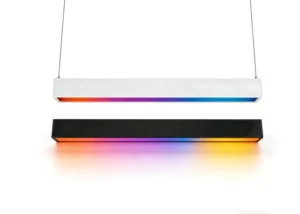
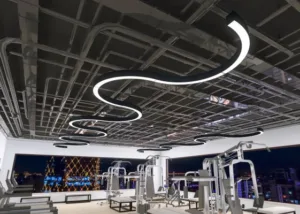
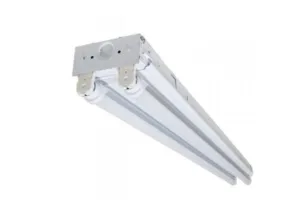
Contractors sort these led lights by environment and installation purpose. Linear fixtures are often used in office spaces, open commercial areas, and some warehouse runs. Vapor tight fixtures are chosen where moisture, dust, or dirty conditions can damage standard housings. Batten lights and wraparound fixtures are common where simple surface lighting is needed.
Tube-ready systems usually appear in renovation work. They help replace older fluorescent lighting without relying on aging ballasts. That can lower energy costs and reduce future service issues. On active construction sites or rough utility areas, contractors often lean toward fixtures with durable housings and straightforward installation.


| Fixture Type | Typical Contractor Use |
|---|---|
| Linear LED fixtures | General lighting in office spaces, corridors, open commercial areas, and some high ceilings |
| Vapor tight fixtures | Wet, dusty, dirty, or washdown-prone areas needing enclosed protection |
| Batten lights | Simple surface-mounted runs for utility areas, back-of-house zones, and work areas |
| Wraparound fixtures | Fluorescent replacement in commercial interiors needing broad, even light |
| Tube-ready fixtures | Retrofit projects where existing fixture bodies remain usable |
Typical Use Cases by Project Environment (Warehouses, Offices, Retail, Industrial)
Application drives specification. Contractors review how people use the space, how long lights stay on, and what conditions the fixture must handle. That is why lighting solutions vary across commercial spaces, even within the same building.
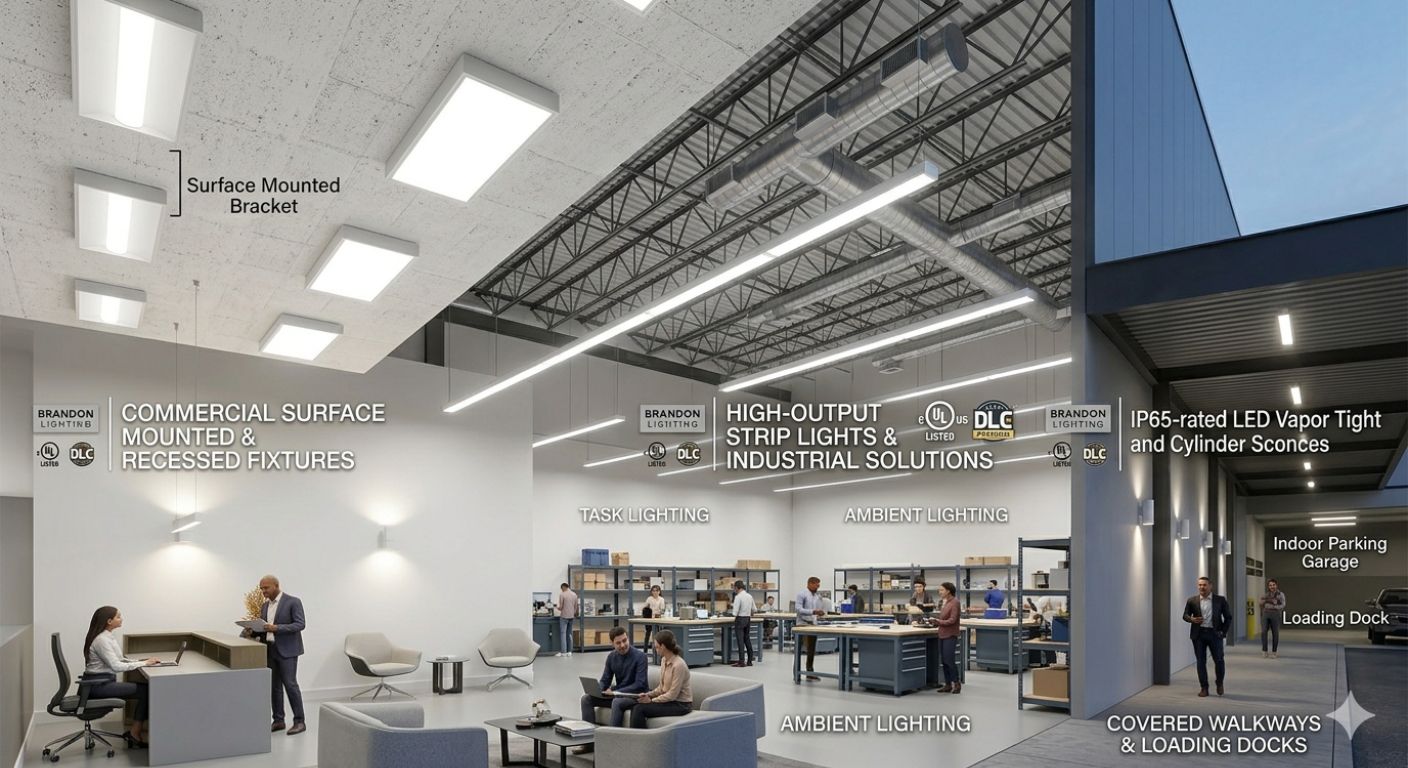
For example, office spaces often need comfortable general light, while industrial rooms may need durable housings and reliable output around equipment. Warehouses and storage areas may call for fixtures that maintain visibility over longer runs or under higher mounting conditions. Retail spaces usually demand a cleaner look and better presentation.
- Warehouses often use linear or high-output fixtures for aisles and storage areas.
- Offices typically favor linear lighting for uniform coverage and visual comfort.
- Retail spaces often need balanced general light with good lighting quality.
- Industrial facilities may require vapor tight fixtures in dirty or damp zones.
- Construction sites and renovation phases often benefit from tube-ready retrofit options.
Beginner’s Guide: How to Start Evaluating LED Fixtures as a Contractor
If you are starting fixture evaluation, begin with the job itself. Good decisions come from understanding how the building will operate, what the client expects, and how the lighting system will be installed and maintained. That keeps led lighting solutions tied to project realities.
From there, narrow the list by application, mounting style, and product data. Contractors who work in commercial spaces usually compare fixture families before comparing brands. This approach creates a practical short list and makes later discussions with suppliers, engineers, and owners much easier.
What You’ll Need to Get Started: Tools, Resources, and Checklists
Before reviewing products, gather the basic project information. Contractors need a clear picture of the ceiling condition, operating hours, environment, and expected light levels. Without that, even good led lighting solutions can be misapplied. A simple checklist helps keep commercial lighting decisions consistent across jobs.
Electrical contractors should also focus on features that reduce field issues. Useful product details include fixture efficacy, mounting flexibility, housing durability, and certification status. These factors affect energy efficiency, labor time, and long-term energy costs.
A practical starting checklist includes:
- Reflected ceiling plans or fixture layout drawings
- Mounting details for recessed, surface, or suspended installation
- Operating schedule for the lighting system
- Environmental notes on dust, moisture, or harsh conditions
- Product cut sheets showing lumens, wattage, and certifications
With these tools in place, contractors can compare options with less guesswork and better control.
Step-by-Step Process for Initial Fixture Assessment
Start by identifying what the fixture must do. Contractors look at the needed coverage, expected operating hours, and whether the light source will be new construction, direct replacement, or retrofit. This first pass eliminates products that do not suit the project.
Next, compare led technology against traditional lighting on practical terms. The useful comparison is not just fixture price. Contractors review energy consumption, labor involved in installation, expected replacement frequency, and whether old components like ballasts remain in the system. That shows the true operating cost over time.
Use this sequence for an initial review:
- Confirm application and fixture type
- Compare lumen output and watts, not just light bulbs or fixture cost
- Check installation complexity and service access
- Review expected life and maintenance exposure
This process helps explain why LED often wins against traditional lighting options in total cost.
Step-by-Step Guide: Evaluating and Selecting LED Fixtures for Projects
Once the shortlist is ready, contractors move into a more detailed review. At this stage, led lighting solutions are judged by site conditions, stakeholder input, compliance, and long-term service needs. The goal is to confirm that the fixture fits both the space and the project delivery plan.
This is where lighting options are separated by real project value. A fixture may offer strong energy efficiency on paper, but if it complicates installation or fails in the environment, it is the wrong choice. The next steps show how contractors make that call.
Step 1: Assessing Site Conditions and Application Requirements
Every evaluation starts with the site. Contractors inspect ceiling height, spacing, moisture exposure, dust levels, and whether the area is finished space or active construction sites. These details shape commercial lighting decisions long before a product number is selected.
Natural light also matters. In offices, storefronts, or perimeter zones, available daylight can affect fixture spacing and control strategy. In enclosed storage areas or back-of-house rooms, the fixture has to carry the full lighting load. That changes the lumen package and distribution a contractor will accept.
This is how contractors choose the right LED lighting for different construction environments: they match the fixture to the actual operating conditions. Led lights in a clean office differ from those used in industrial rooms or damp service corridors. The best choice supports safe visibility, practical installation, and dependable energy savings.
Step 2: Coordinating Lighting Design with Project Stakeholders
Contractors rarely work alone on fixture selection. They coordinate with engineers, architects, owners, and sometimes facility teams to confirm performance expectations and layout intent. This step helps prevent conflicts between drawings, ceiling systems, and selected lighting solutions.
In office spaces and conference rooms, design coordination often focuses on visual comfort, fixture appearance, and how the product fits the ceiling plane. In utility or industrial zones, the conversation may shift toward output, protection, and maintenance access. Good coordination keeps the job from drifting into costly substitutions later.
LED lighting products also support green building goals because they use less energy, last longer, and can work well with controls that limit waste. When project teams are targeting standards tied to efficiency or occupant comfort, contractors use these performance traits to align product decisions with broader building objectives.
Step 3: Comparing Energy Efficiency, Compliance, and Certifications
After application fit is confirmed, contractors compare measurable performance. Energy efficiency is usually reviewed in lumens per watt because that shows how effectively a fixture converts power into usable light. Strong efficacy can lower energy costs, but contractors still balance it against output, distribution, and installation needs.
Compliance is just as important. Contractors look for recognized certifications and listing details because these affect acceptance, safety review, and sometimes incentive eligibility. Product data commonly references standards such as UL and DLC, while CE may appear as a global reference depending on the project or supply chain discussion.
Rebates can also shape the final decision. Utility companies sometimes offer incentives for qualifying LED upgrades, and compiled project information shows rebates can reach meaningful levels on some fixtures. Contractors often confirm certifications early because rebate access, compliance review, and procurement approval all depend on reliable documentation.
Step 4: Evaluating Installation Methods, Durability, and Maintenance Needs
A fixture that performs well but installs poorly can still hurt the job. Contractors compare recessed, surface, and suspended options based on ceiling type, labor time, and access conditions. Installation details affect crew efficiency, change-order risk, and how smoothly commercial lighting moves from rough-in to closeout.
Durability matters most where fixtures face harsh conditions. Enclosed products, including vapor tight units, are often chosen for wet, dusty, or dirty spaces because they protect the housing and internal components better than open designs. In cleaner interiors, contractors may prioritize speed of installation and appearance instead.
Maintenance requirements for led lighting solutions are generally lower than older systems, but contractors still review service access, expected life, and replacement planning. Longer-life fixtures reduce frequent replacements and labor exposure. That is a major reason LED lowers maintenance costs in construction projects, especially where lifts or shutdowns make relamping expensive.
Conclusion
In summary, selecting the right LED fixtures is a pivotal task for lighting contractors that can significantly influence the success of any commercial or industrial project. By understanding the various types of fixtures available—such as linear, vapor tight, batten, wraparound, and tube-ready systems—contractors can make informed decisions tailored to the specific needs of their projects. Factors like energy efficiency, durability, compliance, maintenance, and installation method play critical roles in this evaluation process. Adopting a systematic approach while collaborating with stakeholders ensures that the chosen solutions not only meet aesthetic and functional requirements but also align with cost-efficiency goals. If you have questions or need assistance navigating your next project, get in touch with our experts for personalized support.
Frequently Asked Questions
What are the main benefits of choosing LED fixtures for commercial projects?
Led lights offer strong energy efficiency, lower maintenance costs, and meaningful energy savings compared with older systems. They also provide stable lighting quality and a longer operating life, which helps contractors reduce frequent replacements, limit service calls, and deliver better long-term value in commercial projects.
How can contractors ensure compliance and safety when installing LED lighting?
Contractors should verify product listings, review project specifications, and match each fixture to the intended lighting system and environment. Compliance checks should happen before installation. They also need to follow site safety rules, including Occupational Safety and Health Administration practices, while managing installation quality and long-term energy costs.
Are there energy efficiency rebates or incentives available for LED lighting upgrades?
Yes, rebates may be available through utility companies for qualifying led lighting solutions. Contractors typically confirm fixture eligibility early by reviewing product certifications and program requirements. When available, these rebates improve cost savings and can make commercial LED upgrades easier to justify during procurement and project approval.
What factors impact the long-term maintenance costs of LED lighting systems?
Long-term maintenance costs depend on fixture durability, expected operating life, environmental exposure, and ease of installation and service access. Led lights usually reduce frequent replacements, but the wrong fixture in a wet, dusty, or hard-to-reach area can still raise labor demands and ongoing upkeep.





Request Factory-Direct Quotes & Spec-Grade Pricing
Supplying Premium UL-Listed Linear Fixtures Since 2010








Leave A Comment